
Understanding the Legal Impact of Securitization and Foreclosure Defense in Court Cases
The modern mortgage industry has evolved significantly over the past few decades, introducing complex financial structures that have transformed how home loans are originated, transferred, and enforced. One of the most influential developments in this evolution is mortgage securitization. While securitization has helped lenders generate liquidity and expand access to credit, it has also created layers of complexity that can significantly affect foreclosure proceedings. As a result, understanding the legal implications of securitized mortgages has become an essential component of modern foreclosure litigation. This is where Securitization and Foreclosure Defense plays a critical role in helping attorneys, homeowners, and legal professionals navigate complicated mortgage disputes.
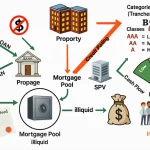
At its core, securitization is the process of pooling mortgage loans together and converting them into investment-backed securities that are sold to investors. These securities are often managed through large financial institutions, trusts, and servicing companies. While this system benefits the financial markets by spreading risk and increasing liquidity, it also introduces potential legal gaps and documentation issues that can arise during foreclosure cases. Because mortgages may be transferred multiple times between lenders, trustees, and servicers, the chain of ownership can become unclear or improperly documented. This lack of transparency is often central to many legal defenses used in foreclosure litigation.
Securitization and Foreclosure Defense focuses on identifying and analyzing these gaps in the mortgage loan transfer process. In many cases, lenders seeking foreclosure must prove that they legally own the loan and have the authority to enforce it. If the mortgage was securitized, the original lender may no longer be the party that holds the beneficial interest in the loan. Instead, the loan may have been transferred into a mortgage-backed security trust governed by specific rules and agreements. If those transfers were not completed correctly or if the documentation fails to meet legal standards, it can raise serious questions about the lender’s standing in court.
Another important element of Securitization and Foreclosure Defense is the examination of mortgage assignments, endorsements, and servicing records. Courts often require lenders to demonstrate a clear chain of title from the original loan origination to the current party attempting foreclosure. When loans are securitized, this chain may involve multiple transfers between entities such as originators, aggregators, trustees, and loan servicers. Each transfer must comply with both contractual agreements and applicable state laws. Missing documents, improper assignments, or retroactively created paperwork can weaken a foreclosure case and provide a basis for legal challenges.
Additionally, pooling and servicing agreements (PSAs) that govern mortgage-backed securities often contain strict timelines and conditions for transferring loans into a trust. If a loan is transferred after the trust’s closing date or fails to meet the required documentation standards, questions may arise about whether the trust legally holds the mortgage. Securitization and Foreclosure Defense strategies often involve reviewing these agreements to determine whether the loan was properly transferred according to the trust’s governing rules.
Another critical component involves forensic loan audits and detailed document analysis. Legal teams frequently rely on these audits to uncover inconsistencies, irregularities, or compliance violations in the loan’s history. These findings can be used to strengthen legal arguments, support motions, or challenge the evidence presented by lenders in court. In many cases, a comprehensive review of the securitization process can reveal discrepancies that significantly impact the outcome of foreclosure litigation.
Importantly, Securitization and Foreclosure Defense is not simply about delaying foreclosure proceedings. Instead, it is about ensuring that lenders follow the law and meet the burden of proof required in court. When financial institutions seek to enforce a mortgage, they must demonstrate proper ownership, accurate documentation, and compliance with contractual agreements. By carefully examining the securitization process and related documents, legal professionals can help ensure that foreclosure actions are based on valid legal authority.
As mortgage securitization continues to shape the global financial system, courts are increasingly faced with cases involving complex loan ownership structures and documentation disputes. For attorneys and foreclosure defense professionals, developing a clear understanding of Securitization and Foreclosure Defense strategies is essential. By analyzing loan transfers, securitization structures, and servicing records, legal teams can uncover critical details that influence the outcome of foreclosure cases.
Ultimately, the intersection of mortgage securitization and foreclosure law highlights the importance of transparency, accuracy, and accountability within the lending industry. Through careful legal analysis and strategic defense approaches, Securitization and Foreclosure Defense helps ensure that foreclosure proceedings are conducted fairly and in accordance with established legal standards.
The Evolution of Mortgage Securitization and Its Influence on Foreclosure Litigation
Mortgage lending has undergone a dramatic transformation over the last several decades. Traditionally, banks originated loans and held them until they were fully repaid. However, the rise of financial innovation introduced securitization as a mechanism that allowed lenders to bundle mortgages together and sell them to investors in the form of mortgage-backed securities. This process increased liquidity in financial markets and allowed lenders to issue more loans. Yet, while securitization expanded credit availability, it also created complex ownership structures that directly influence foreclosure proceedings. Because loans are frequently transferred between multiple entities, determining the true holder of the mortgage can become difficult. This complexity has made Securitization and Foreclosure Defense a critical legal strategy in modern foreclosure litigation.
When mortgages are securitized, the ownership of the loan often moves from the original lender to a trust that holds hundreds or even thousands of similar loans. These trusts issue securities that are sold to investors, while loan servicers manage the day-to-day administration of the mortgages. Over time, multiple transfers may occur between financial institutions, trustees, and servicing companies. Each transfer must follow strict documentation requirements and legal procedures. If these procedures are not properly followed, the chain of title for the mortgage may become unclear. In foreclosure litigation, courts often require the party seeking foreclosure to prove that it has the legal right to enforce the mortgage. When gaps or inconsistencies appear in the loan’s transfer history, Securitization and Foreclosure Defense strategies can be used to challenge the legitimacy of the foreclosure claim.
Legal Standing and the Burden of Proof in Foreclosure Cases
One of the most significant legal issues in foreclosure litigation is the concept of standing. In order to foreclose on a property, the plaintiff must demonstrate that it has the legal authority to enforce the promissory note and mortgage agreement. This requirement may appear straightforward, but securitized mortgages often complicate the matter. Because the loan may have passed through several financial institutions before reaching the entity initiating foreclosure, documentation must clearly show how ownership was transferred at each step. If the documentation is incomplete, inconsistent, or executed improperly, it may raise questions about whether the foreclosing party actually has the legal right to proceed.
This is where Securitization and Foreclosure Defense becomes particularly important. Attorneys and forensic auditors carefully analyze the chain of assignments, endorsements, and transfers associated with the loan. They examine whether the mortgage was transferred in compliance with applicable laws and contractual agreements governing the securitization trust. If the required documentation is missing or improperly executed, the defense may argue that the foreclosing party lacks standing. Courts in many jurisdictions require strict proof of ownership before allowing foreclosure actions to move forward, making these legal arguments highly relevant.
Document Integrity and Chain of Title Issues
Another major component of foreclosure litigation involves the integrity of mortgage documents. During the securitization process, loans are often transferred multiple times between institutions. Each transfer should be accompanied by proper endorsements of the promissory note and assignments of the mortgage. However, in many foreclosure cases, these documents are found to contain discrepancies or irregularities. For example, assignments may be executed years after the loan was allegedly transferred, signatures may appear inconsistent, or documentation may be missing entirely.
In such situations, Securitization and Foreclosure Defense focuses on identifying these irregularities and determining whether they affect the enforceability of the mortgage. Courts generally require a clear and continuous chain of title that demonstrates how the loan moved from the original lender to the current holder. When the chain of title is broken or unclear, the legitimacy of the foreclosure action may be challenged. Legal professionals often rely on forensic document analysis to identify inconsistencies, backdated assignments, or improperly executed endorsements that may undermine the lender’s claim.
The Role of Pooling and Servicing Agreements in Foreclosure Defense
Pooling and Servicing Agreements (PSAs) are legal contracts that govern the creation and operation of mortgage-backed securities trusts. These agreements outline how loans are transferred into the trust, how they are managed, and how payments are distributed to investors. Importantly, PSAs often establish strict deadlines and procedures for transferring loans into the trust. If a loan is transferred after the trust’s closing date or fails to meet the required documentation standards, questions may arise about whether the trust legally owns the mortgage.
Legal professionals frequently examine PSAs as part of Securitization and Foreclosure Defense strategies. By reviewing these agreements, attorneys can determine whether the loan transfer complied with the trust’s governing rules. If the loan was not transferred correctly or within the required timeframe, it may raise significant legal issues regarding the trust’s authority to enforce the mortgage. While courts vary in how they interpret these violations, the analysis of PSAs remains a critical component of many foreclosure defense cases.
Forensic Loan Audits as a Tool for Legal Investigation
Forensic loan audits play an important role in uncovering the complexities of securitized mortgages. These audits involve a detailed examination of loan documents, securitization records, servicing histories, and compliance with federal and state regulations. The goal is to identify irregularities or violations that may affect the enforceability of the loan or the legality of the foreclosure process.
Through forensic analysis, legal professionals can uncover issues such as improper assignments, missing endorsements, servicing errors, or violations of lending regulations. These findings often form the foundation of Securitization and Foreclosure Defense strategies in court. When combined with legal arguments regarding standing, chain of title, and contractual compliance, forensic audits can provide powerful evidence that strengthens a defense against foreclosure.
The Importance of Transparency and Accountability in Mortgage Enforcement
The legal challenges associated with securitized mortgages highlight the importance of transparency and accountability within the lending industry. When mortgages are transferred between multiple financial institutions, accurate documentation becomes essential to maintaining the integrity of the lending system. Without proper records, borrowers, courts, and investors may struggle to determine who truly owns the loan and who has the authority to enforce it.
Securitization and Foreclosure Defense emphasizes the need for lenders to meet strict evidentiary standards when pursuing foreclosure actions. By requiring lenders to prove ownership, demonstrate proper documentation, and comply with contractual obligations, courts help ensure that foreclosure proceedings are conducted fairly and lawfully. This process protects not only borrowers but also the integrity of the financial system itself.
As foreclosure litigation continues to evolve, legal professionals must remain vigilant in examining the complex structures created by mortgage securitization. Through detailed analysis of loan transfers, contractual agreements, and document integrity, Securitization and Foreclosure Defense provides a framework for addressing the legal challenges that arise when securitized mortgages enter the courtroom.
Conclusion
In today’s complex mortgage landscape, understanding the legal framework behind securitized loans has become increasingly important for attorneys and foreclosure defense professionals. The process of mortgage securitization often involves multiple transfers of loan ownership between lenders, trustees, and servicing entities. While this financial structure helps expand credit markets, it can also create documentation gaps, unclear chains of title, and questions about the true holder of the mortgage. These issues frequently surface during foreclosure proceedings, making Securitization and Foreclosure Defense a crucial area of legal analysis.
By carefully examining loan transfers, endorsements, assignments, and securitization agreements, legal professionals can uncover discrepancies that may affect a lender’s ability to enforce a mortgage. Securitization and Foreclosure Defense strategies help ensure that lenders meet the legal burden of proof required in court and demonstrate proper authority before initiating foreclosure actions. This scrutiny not only protects borrowers’ rights but also promotes transparency and accountability within the financial system.
Ultimately, the growing complexity of mortgage-backed securities has made legal diligence more important than ever. Through detailed document review, forensic loan audits, and strategic legal arguments, Securitization and Foreclosure Defense continues to play a vital role in ensuring that foreclosure proceedings are conducted lawfully, fairly, and in accordance with established legal standards.
Turn Insight Into Stronger Legal Outcomes
When the strength of a case depends on clarity, documentation, and credible analysis, having the right forensic mortgage audit partner can make a decisive difference. Mortgage Audits Online has been helping professional associates build stronger cases for more than four years through detailed securitization and forensic mortgage audits designed to uncover critical information hidden within complex loan documentation.
Our work is built around one clear mission: empower professionals with reliable data, structured analysis, and actionable insights that strengthen legal strategies and support informed decision-making. As an exclusively business-to-business provider, we focus on delivering precise, evidence-driven reports tailored for attorneys, legal professionals, consultants, and industry experts who require dependable documentation and professional accuracy.
Unlock Clarity. Strengthen Your Case. Transform Your Client Outcomes
Complex mortgage files often contain layers of transfers, securitization structures, and documentation that require expert interpretation. Mortgage Audits Online helps transform this complexity into clarity through professional forensic audit reports designed to highlight inconsistencies, analyze loan transfers, and provide structured findings that support litigation strategy and case evaluation.
Whether you are preparing for litigation, reviewing mortgage documentation, or seeking deeper insight into securitization pathways, our audit services provide the level of detail and credibility professionals rely on. By combining experience, analytical precision, and industry expertise, we help associates approach every case with stronger documentation and greater confidence.
When clarity matters most, partner with a team committed to accuracy, professionalism, and dependable results. Equip your cases with the forensic insight and structured analysis they deserve.
Mortgage Audits Online
📍 100 Rialto Place, Suite 700
Melbourne, FL 32901
📱 Phone: 877-399-2995
📠 Fax: 877-398-5288
🌐 Visit: https://www.mortgageauditsonline.com/
“Disclaimer Note: This article is for educational & entertainment purposes