
The Ultimate Handbook on Cusip Research and Financial Data Verification
In today’s complex financial landscape, accurate security identification and reliable data verification are more important than ever. Whether you are a financial analyst, legal professional, compliance officer, or institutional investor, ensuring that every security is correctly identified can significantly impact reporting accuracy, risk assessment, and strategic decision-making. This is where Cusip research becomes an essential tool. By using the unique nine-character CUSIP identifier assigned to securities in the United States and Canada, professionals can track, verify, and analyze financial instruments with precision and confidence.
Cusip research plays a critical role in validating bonds, stocks, mutual funds, asset-backed securities, and other structured financial products. It helps prevent costly errors caused by misidentification, ensures regulatory compliance, and strengthens due diligence processes. In securitization and forensic financial investigations, accurate CUSIP verification can uncover hidden details about issuance history, ownership structure, and transactional records.
As financial markets grow increasingly interconnected and data-driven, the need for dependable verification methods continues to rise. A comprehensive understanding of CUSIP systems empowers professionals to navigate large datasets, confirm asset authenticity, and protect their clients’ interests. This handbook explores the foundations, methodologies, and best practices behind effective CUSIP identification and financial data validation.
Understanding the Foundation of Cusip research
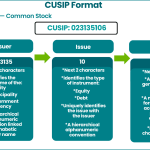
At its core, Cusip research revolves around the CUSIP (Committee on Uniform Securities Identification Procedures) numbering system, a standardized method developed to uniquely identify securities in North America. Each CUSIP consists of nine characters that provide structured information about the issuer and the specific security. The first six characters identify the issuer, the next two represent the specific issue, and the final character serves as a check digit for validation.
This standardized structure eliminates confusion in financial transactions by ensuring that every bond, stock, or structured product can be distinguished from others with precision. In high-volume trading environments, even a minor identification error can lead to costly settlement issues. Therefore, understanding the structural logic behind CUSIP numbers forms the backbone of accurate financial verification and reporting.
The Role of Cusip research in Financial Data Accuracy
Financial markets operate on data integrity. Asset managers, compliance departments, and forensic analysts rely on accurate identification systems to prevent discrepancies in portfolio reporting. Cusip research supports this objective by verifying that each financial instrument corresponds to the correct issuer, maturity date, interest rate, and offering details.
For example, in bond markets where multiple issuances may exist from the same corporation, CUSIP numbers differentiate between various tranches and maturity schedules. Without thorough CUSIP validation, analysts may misinterpret risk exposure or performance metrics. By systematically cross-referencing securities with their assigned identifiers, professionals strengthen data reliability across accounting systems, custodial records, and transaction databases.
Application of Cusip research in Securitization and Structured Finance
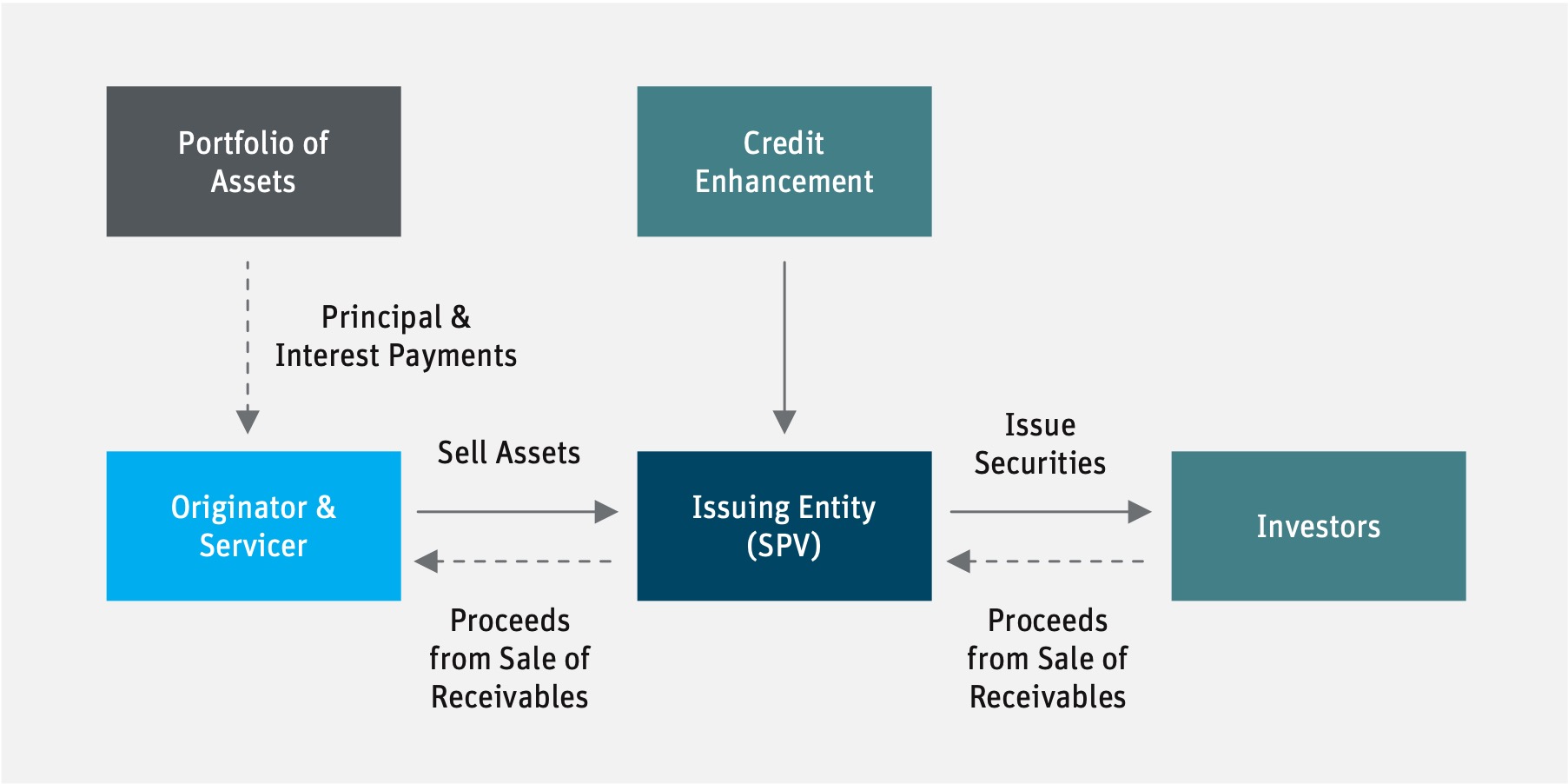
Structured finance transactions often involve pools of mortgages, auto loans, or other receivables bundled into asset-backed securities. These complex instruments require precise tracking mechanisms. Cusip research becomes particularly critical in securitization because each tranche within a structured product receives its own CUSIP identifier.
Through detailed CUSIP analysis, professionals can trace issuance details, verify the structure of underlying assets, and confirm compliance with offering documents. This process is especially important in forensic audits, where identifying discrepancies between reported and actual asset information can significantly impact case outcomes. By validating security identifiers, experts gain clarity on ownership structures and transaction histories within layered financial instruments.
Strengthening Compliance Through Cusip research
Regulatory oversight demands strict adherence to reporting standards. Financial institutions must ensure that securities listed in filings, disclosures, and internal records are accurately identified. Cusip research plays a pivotal role in maintaining regulatory compliance by minimizing the risk of misreporting.
Incorrect or incomplete security identification can lead to audit findings, financial penalties, or reputational damage. Through systematic verification of CUSIP data, organizations reinforce internal controls and demonstrate due diligence. This process supports transparency in financial statements and strengthens trust among stakeholders, regulators, and investors.
Enhancing Risk Management with Cusip research
Effective risk management depends on accurate asset classification. Portfolio managers analyze exposure across sectors, issuers, credit ratings, and maturity timelines. Cusip research ensures that each asset is correctly categorized, preventing distortions in risk assessment models.
By confirming that securities are properly identified, institutions can evaluate concentration risks and monitor performance more effectively. This level of precision is particularly valuable in large portfolios containing thousands of holdings. Reliable CUSIP validation reduces operational risk, supports strategic allocation decisions, and enhances overall portfolio oversight.
Best Practices for Conducting Reliable Cusip research
To maximize the effectiveness of Cusip research, professionals should follow structured verification processes. This includes cross-referencing CUSIP data with official offering documents, trusted financial databases, and custodial statements. Consistency in data entry and record maintenance further reduces identification errors.
Regular audits of internal systems also help detect discrepancies early. Integrating automated validation tools with manual review procedures provides a balanced approach that combines efficiency with accuracy. When handled methodically, CUSIP analysis becomes a powerful instrument for financial clarity and investigative precision.
In a rapidly evolving financial ecosystem, the ability to verify securities confidently is not merely an operational requirement—it is a strategic advantage. By mastering Cusip research, professionals position themselves to deliver greater transparency, stronger compliance, and more reliable financial insights.
The Strategic Importance of Cusip research in Modern Finance
In an increasingly data-driven financial environment, accuracy is no longer optional—it is essential. Cusip research serves as a cornerstone of reliable security identification, ensuring that every financial instrument is properly classified, verified, and documented. From routine portfolio management to complex securitization reviews, the ability to authenticate securities through structured CUSIP validation strengthens decision-making and minimizes costly errors.
Effective Cusip research enhances financial data verification by reducing discrepancies across reporting systems, custodial records, and transactional databases. It supports regulatory compliance, strengthens audit readiness, and reinforces transparency in financial disclosures. For professionals engaged in forensic analysis or structured finance investigations, accurate CUSIP identification provides clarity into issuance details, ownership structures, and transactional history.
As global markets continue to expand and financial products grow more sophisticated, the demand for dependable verification processes will only increase. Organizations that prioritize Cusip research position themselves to manage risk more effectively, maintain regulatory confidence, and deliver higher standards of due diligence. Ultimately, mastering Cusip research is not simply about tracking securities—it is about building trust, protecting financial integrity, and empowering smarter, data-backed financial strategies.
Unlock Financial Clarity. Build Stronger Cases. Deliver Powerful Results.
In today’s complex financial and securitization landscape, precision is everything. When every detail matters, you need more than surface-level analysis—you need verified data, structured insight, and forensic accuracy. That’s where we step in.
For over four years, we have supported our associates with comprehensive securitization analysis and forensic audits designed to strengthen case strategies and enhance client outcomes. As an exclusively business-to-business provider, we understand the professional standards, deadlines, and evidentiary requirements that legal teams, financial consultants, and industry professionals demand.
Our approach is thorough, data-driven, and results-focused. We work alongside you to uncover critical documentation, validate financial instruments, and provide clear, structured findings that support stronger arguments and informed decisions. Whether you are building a case, reviewing complex financial transactions, or seeking deeper insight into securitized assets, our expertise becomes your strategic advantage.
Unlock Clarity. Strengthen Your Case. Transform Your Client Outcomes.
Take the next step toward greater precision and professional confidence.
📩 Submit a message and set an appointment today.
📧 Email: platinumauditspro@gmail.com
🌐 Visit: https://platinumauditspro.com/
📞 Phone: 877-399-2995
📠 Fax: (877) 398-5288