
The Growing Role of Securitization and Foreclosure Defense in Protecting Homeowners
Homeownership has long been regarded as one of the most important financial and emotional investments a person can make. For many families, a home represents stability, security, and the foundation for building generational wealth. However, the modern mortgage system has become increasingly complex, particularly with the rise of mortgage securitization and the intricate financial structures that support it. In this evolving financial landscape, Securitization and Foreclosure Defense has emerged as a powerful strategy for homeowners and legal professionals seeking to challenge questionable foreclosure actions and ensure fairness in the mortgage enforcement process.
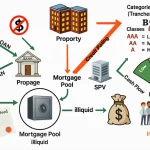
Over the past several decades, the mortgage industry has undergone a dramatic transformation. Traditional lending practices—where a bank originated and held a loan for its entire life—have largely been replaced by securitization. Through securitization, mortgage loans are bundled together and sold to investors in the form of mortgage-backed securities. While this system has increased liquidity in the housing market and expanded access to credit, it has also created layers of complexity that can obscure the true ownership and legal standing of a mortgage loan.
These complexities have significant implications when a foreclosure occurs. In many cases, the entity attempting to foreclose may not be the original lender and must demonstrate clear legal authority to enforce the loan. Unfortunately, due to the frequent transfer of loans between institutions, documentation errors, missing assignments, and irregularities in the securitization process can arise. When these issues occur, homeowners may face foreclosure actions that are based on incomplete or questionable documentation. This is where Securitization and Foreclosure Defense plays a crucial role.
At its core, Securitization and Foreclosure Defense focuses on analyzing the mortgage loan’s journey from origination through securitization and subsequent transfers. Legal professionals and forensic auditors examine the chain of title, assignments of mortgage, endorsements of promissory notes, and compliance with trust pooling and servicing agreements. By conducting a detailed review of these records, they can identify inconsistencies, procedural violations, or breaks in the chain of ownership that may impact a lender’s legal standing to foreclose.
The importance of Securitization and Foreclosure Defense grew significantly after the global financial crisis of 2008, when millions of homeowners faced foreclosure. Investigations during that period revealed widespread documentation problems, including robo-signing practices, improperly recorded assignments, and failures to comply with securitization trust requirements. These discoveries highlighted the need for thorough forensic review and legal analysis in foreclosure cases. As a result, Securitization and Foreclosure Defense became an essential component of many foreclosure litigation strategies across the United States.
Beyond challenging improper foreclosure actions, Securitization and Foreclosure Defense also serves a broader purpose: ensuring accountability and transparency in the mortgage industry. By carefully examining loan transfers, servicing practices, and securitization structures, attorneys and analysts help safeguard the legal rights of homeowners while promoting compliance within the financial system. This process does not necessarily aim to eliminate legitimate debt obligations; rather, it ensures that the party seeking to enforce a loan has the lawful authority to do so.
In today’s legal and financial environment, homeowners often face large financial institutions equipped with extensive resources and sophisticated legal teams. Securitization and Foreclosure Defense helps level the playing field by providing borrowers and their advocates with detailed financial analysis, documented evidence, and legal insight that can strengthen their case in court. It empowers attorneys to raise valid defenses, challenge improper documentation, and demand proof of standing from parties seeking foreclosure.
As mortgage markets continue to evolve and securitization remains a central part of the financial system, the role of Securitization and Foreclosure Defense is likely to grow even further. With the right expertise, analysis, and legal strategy, this approach provides a critical framework for protecting homeowners’ rights while maintaining the integrity of the mortgage lending system.
Understanding the Modern Mortgage System and Its Complexities
The modern mortgage system has evolved into a sophisticated financial structure that connects homeowners, lenders, investors, and financial institutions across global markets. While this structure has helped expand access to home financing, it has also created layers of complexity that can make it difficult for borrowers to understand who truly owns their mortgage loan. Within this environment, Securitization and Foreclosure Defense has become an essential strategy for uncovering the legal and financial details behind mortgage transactions.
Mortgage securitization involves the process of pooling thousands of individual home loans into large financial instruments that are sold to investors. These investment vehicles, commonly referred to as mortgage-backed securities, allow lenders to convert loans into tradable assets. Once a loan is securitized, it may pass through several financial institutions, trustees, and servicing companies over time. While this process increases liquidity and helps financial institutions manage risk, it can also create gaps in documentation and confusion regarding the rightful owner of the loan.
For homeowners facing foreclosure, these gaps can become critically important. Foreclosure law generally requires the party seeking to enforce a mortgage to demonstrate clear legal standing. If documentation is incomplete or improperly transferred during the securitization process, the legitimacy of a foreclosure action may come into question. This is precisely where Securitization and Foreclosure Defense becomes a powerful tool for legal professionals and homeowners seeking clarity and fairness.
Through detailed analysis of loan transfers, endorsements, assignments, and trust agreements, Securitization and Foreclosure Defense helps reveal whether the foreclosing entity has the legal authority to proceed. By carefully reviewing the structure of securitized trusts and the path a loan has taken since its origination, analysts can uncover discrepancies that may otherwise remain hidden within complex financial records.
The Importance of Examining the Chain of Title
One of the most critical components of foreclosure litigation is the chain of title. The chain of title represents the documented history of ownership and transfers associated with a mortgage loan. In traditional lending systems, this chain was relatively simple because loans typically remained with the original lender. However, with securitization, the ownership path of a mortgage can become far more complicated.
Loans that are securitized may be transferred multiple times between originators, aggregators, depositors, trustees, and servicing companies. Each transfer is supposed to be properly documented through assignments, endorsements, and recorded instruments. When these records are incomplete, missing, or inconsistent, it raises questions about whether the foreclosing party truly possesses the legal right to enforce the loan.
This is why Securitization and Foreclosure Defense often focuses heavily on reconstructing the chain of title. By examining mortgage assignments, promissory note endorsements, and trust documentation, legal analysts can determine whether the loan was transferred in accordance with governing agreements and legal requirements. If breaks or irregularities appear in the chain of title, they may form the basis for legal challenges to foreclosure proceedings.
In many cases, forensic analysis reveals that loans were transferred after the closing date of the securitization trust or without proper documentation. When such irregularities occur, they can raise significant legal issues that may influence the outcome of foreclosure litigation. As a result, Securitization and Foreclosure Defense plays a vital role in helping attorneys evaluate the strength of a foreclosure claim before it proceeds through the court system.
Forensic Mortgage Audits and Their Legal Value
Another essential component of Securitization and Foreclosure Defense is the forensic mortgage audit. A forensic audit is a comprehensive review of a mortgage loan’s history, including its origination, securitization, servicing practices, and legal documentation. The purpose of this analysis is to identify errors, inconsistencies, or violations that may affect the enforceability of the loan.
Forensic auditors examine a wide range of records, including loan origination documents, pooling and servicing agreements, mortgage assignments, and payment histories. By analyzing these materials in detail, they can determine whether the loan was properly transferred into a securitized trust and whether the trust complied with its governing rules. If discrepancies are found, those findings may be used by attorneys to support legal defenses or negotiate settlements.
The role of forensic audits became particularly prominent after the financial crisis revealed widespread problems in mortgage documentation. During that period, numerous investigations uncovered issues such as robo-signed documents, improper notarizations, and missing loan transfers. These discoveries demonstrated that errors within the securitization system could have real consequences for homeowners facing foreclosure.
Today, Securitization and Foreclosure Defense continues to rely heavily on forensic audits to uncover the true history of a mortgage loan. By combining financial analysis with legal review, these audits provide attorneys with valuable evidence that can strengthen their litigation strategy and ensure that foreclosure proceedings follow proper legal standards.
Legal Strategies in Securitization-Based Foreclosure Challenges
The legal strategies associated with Securitization and Foreclosure Defense are designed to ensure that foreclosure actions comply with both contractual agreements and statutory requirements. Attorneys often focus on issues such as standing, chain of title, compliance with trust agreements, and the authenticity of mortgage documentation.
One common strategy involves challenging whether the foreclosing party has legal standing. Standing refers to the legal right of a party to bring a claim in court. In foreclosure cases, the party seeking to foreclose must demonstrate that it holds the promissory note and has the authority to enforce it. If the loan has been securitized and transferred multiple times, establishing this authority can become complicated.
Another important strategy involves examining whether the loan was properly transferred into a securitization trust. These trusts are governed by pooling and servicing agreements that outline strict rules regarding how and when loans must be transferred. If a loan was transferred after the trust’s closing date or without the required endorsements, it may raise questions about whether the trust legally owns the loan.
Securitization and Foreclosure Defense also involves reviewing servicing practices. Mortgage servicers are responsible for collecting payments, managing escrow accounts, and communicating with borrowers. If servicing errors occur—such as improper fee assessments or inaccurate payment records—those issues may become relevant in foreclosure litigation.
By carefully analyzing these factors, attorneys can build comprehensive defense strategies that address both legal and financial aspects of a foreclosure case. The goal of Securitization and Foreclosure Defense is not simply to delay foreclosure proceedings but to ensure that every step of the process complies with applicable laws and contractual obligations.
Protecting Homeowners Through Knowledge and Transparency
In an era where financial transactions often involve multiple institutions and complex investment structures, transparency has become more important than ever. Many homeowners are unaware that their mortgage loans may have been sold or securitized shortly after origination. When foreclosure occurs, this lack of clarity can leave borrowers confused about who actually owns their loan and who has the authority to enforce it.
This is where Securitization and Foreclosure Defense provides significant value. By conducting detailed reviews of loan records and securitization structures, professionals can help clarify the legal and financial relationships involved in a mortgage transaction. This knowledge empowers attorneys and homeowners to ask the right questions and demand proper documentation from entities seeking to enforce mortgage obligations.
Furthermore, Securitization and Foreclosure Defense promotes accountability within the mortgage industry. Financial institutions must maintain accurate records and comply with established procedures when transferring loans or initiating foreclosure actions. When errors or inconsistencies are identified, they highlight the importance of maintaining transparent and legally compliant practices throughout the mortgage lifecycle.
For homeowners facing the possibility of foreclosure, the stakes are extremely high. A home represents far more than a financial asset—it represents stability, family security, and years of personal investment. By ensuring that foreclosure actions are conducted lawfully and supported by proper documentation, Securitization and Foreclosure Defense helps safeguard the rights of borrowers while reinforcing the integrity of the financial system.
As the mortgage industry continues to evolve and securitization remains a dominant force in housing finance, the importance of Securitization and Foreclosure Defense will continue to grow. Through careful analysis, legal advocacy, and financial transparency, this approach provides a vital framework for protecting homeowners and maintaining fairness within the foreclosure process.
Strengthening Homeowner Protection Through Securitization and Foreclosure Defense
In today’s highly complex mortgage environment, the importance of understanding loan ownership, documentation, and legal authority has never been greater. As mortgage loans are frequently transferred, bundled, and sold through financial markets, the process can create gaps, errors, or inconsistencies that may directly impact foreclosure proceedings. This is why Securitization and Foreclosure Defense has become an essential strategy for attorneys, analysts, and homeowners seeking clarity and fairness within the foreclosure process.
By carefully examining loan histories, securitization structures, and the chain of title, Securitization and Foreclosure Defense provides valuable insight into whether the party initiating foreclosure truly has the legal standing to enforce the mortgage. This detailed analysis helps ensure that foreclosure actions are supported by proper documentation and conducted in accordance with established legal standards. In doing so, it promotes accountability within the mortgage industry and protects borrowers from potential procedural errors or irregularities.
Ultimately, Securitization and Foreclosure Defense plays a vital role in strengthening transparency, fairness, and due process in the housing finance system. As mortgage markets continue to evolve and securitization remains a central feature of modern lending, the continued use of Securitization and Foreclosure Defense will remain crucial for safeguarding homeowner rights and ensuring that foreclosure proceedings are carried out lawfully and responsibly.
Elevate Your Case Strategy with Trusted Securitization Insights
When the success of a foreclosure defense strategy depends on precision, documentation, and deep financial analysis, having the right professional partner can make all the difference. For over four years, Mortgage Audits Online has supported attorneys, legal professionals, and industry associates by delivering comprehensive securitization analysis and forensic mortgage audits designed to strengthen case strategy and uncover critical details within complex loan structures.
Operating exclusively as a business-to-business provider, Mortgage Audits Online focuses on empowering professionals who represent homeowners and borrowers. Their specialized forensic audits examine mortgage securitization, loan transfers, chain-of-title documentation, and servicing records to help identify inconsistencies, documentation gaps, and compliance issues that may influence foreclosure litigation. This level of insight allows legal teams to build stronger arguments, support their claims with credible documentation, and approach each case with greater confidence.
In an environment where mortgage loans often pass through multiple institutions and securitized trusts, clarity is essential. Mortgage Audits Online combines industry expertise with detailed research and structured reporting to provide attorneys and professionals with the analytical support they need. The result is a powerful resource that can help transform complex financial data into meaningful legal strategy.
If your cases require deeper analysis, reliable documentation review, and professional forensic insight, now is the time to partner with a team dedicated to supporting your success.
Connect with Mortgage Audits Online and strengthen your case preparation today.
📍 Mortgage Audits Online
100 Rialto Place, Suite 700
Melbourne, FL 32901
📱 Phone: 877-399-2995
📠 Fax: 877-398-5288
🌐 Visit: https://www.mortgageauditsonline.com/
“Disclaimer Note: This article is for educational & entertainment purposes