
Is Your Mortgage Affected by Home Loan Securitization Fraud? Key Signs to Watch
borrowers sign a mortgage agreement, they typically believe the relationship is straightforward: a bank lends money, and the homeowner repays the loan over time. However, behind the scenes, many mortgages are bundled, sold, and traded within global financial markets. This process—known as securitization—can sometimes lead to serious legal and financial complications. In some cases, irregularities in this process may give rise to what many analysts and legal professionals refer to as home loan securitization fraud.
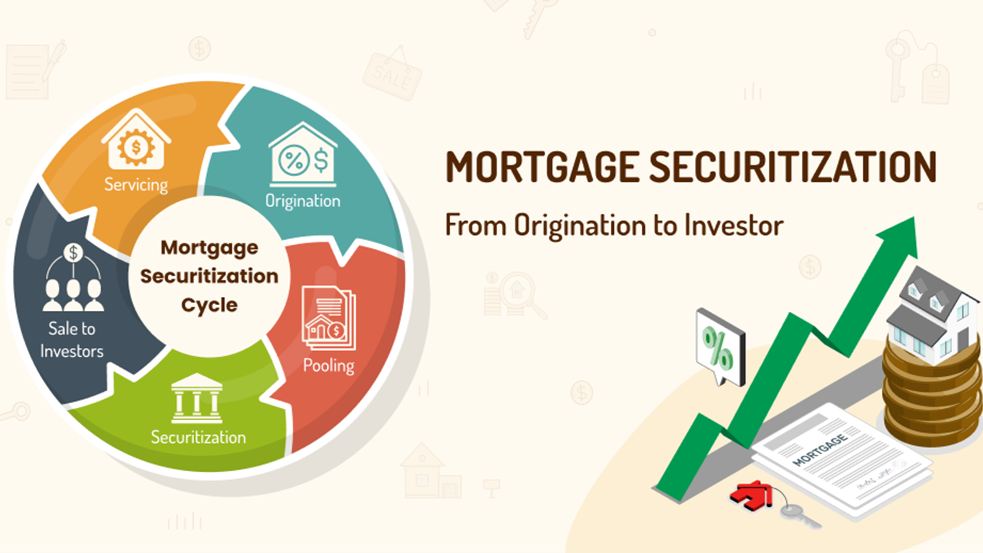
Mortgage securitization became widely used in the United States and other financial markets decades ago. Financial institutions package large numbers of mortgages into securities and sell them to investors. These securities are commonly referred to as mortgage-backed securities (MBS). The practice gained enormous popularity during the early 2000s housing boom and played a significant role in the global financial system. When done properly, securitization allows lenders to free up capital and issue more loans. However, when documentation errors, misrepresentations, or unlawful transfers occur, the process may create circumstances associated with home loan securitization fraud.
The issue gained global attention during the aftermath of the housing collapse and the 2008 Financial Crisis, when investigations revealed major flaws in mortgage documentation and securitization practices. During that period, courts, regulators, and researchers uncovered instances where mortgage notes were transferred improperly, paperwork was missing, or ownership of the loan was unclear. These irregularities raised serious questions about whether certain foreclosures and loan servicing actions were legally valid.
Understanding home loan securitization fraud begins with recognizing how a mortgage may change hands multiple times after origination. Once a borrower signs a mortgage agreement, the lender often sells that loan to another financial institution. That loan may then be transferred into a securitized trust, pooled with thousands of other mortgages, and sold to investors around the world. Each transfer is supposed to follow strict legal procedures and documentation standards. If those procedures are not followed correctly, the chain of ownership may become questionable. When documentation is fabricated, assignments are backdated, or entities claim ownership without proper legal standing, it may raise concerns related to home loan securitization fraud.
For many homeowners, the problem is that these transactions occur behind the scenes, making them nearly impossible to track. Borrowers usually continue sending payments to a loan servicer without knowing who truly owns their mortgage. In many cases, the original lender listed on the mortgage documents may no longer hold the loan. Instead, the servicing rights and ownership may have been transferred several times across different financial entities. If inconsistencies appear within these transfers, borrowers and legal professionals may begin investigating whether home loan securitization fraud could be involved.
One of the most common warning signs involves irregularities in mortgage documentation. Homeowners may discover conflicting loan assignments, incomplete paperwork, or transfers recorded years after they supposedly occurred. In some foreclosure cases, courts have encountered documents that were signed by individuals who had no authority to execute them. Practices such as “robo-signing,” where documents were mass-produced and signed without proper verification, raised significant concerns during investigations following the housing crisis. Such irregularities are often cited as potential indicators of home loan securitization fraud.
Another red flag may involve confusion over the true holder of the mortgage note. In securitized loan structures, the note must be transferred into a trust according to specific timelines and legal requirements. If the transfer happens outside those deadlines or without proper endorsement, the trust may not legally own the mortgage. In these situations, homeowners and attorneys may question whether the party attempting to enforce the loan actually has legal standing. These disputes often form the basis of cases involving alleged home loan securitization fraud.
Borrowers may also notice sudden changes in loan servicers, payment instructions, or account information. While servicing transfers are common in the mortgage industry, frequent or unexplained changes can sometimes raise questions about how the loan has been managed within the securitization structure. When combined with missing documents or conflicting records, these changes may prompt deeper investigation into whether home loan securitization fraud has occurred within the loan’s history.
For homeowners, awareness is the first step toward protection. By understanding how mortgages are securitized and recognizing the potential signs of irregularities, borrowers can better protect their rights and financial interests. As scrutiny of mortgage documentation continues across courts and regulatory bodies, discussions about home loan securitization fraud remain highly relevant for borrowers, attorneys, and financial analysts alike.
Understanding the Structure Behind Home Loan Securitization
To understand the risks associated with home loan securitization fraud, it is essential to first examine how the securitization process is designed to work. In a typical mortgage transaction, a borrower receives a loan from a bank or lending institution to purchase property. Traditionally, the lender would hold that loan for the entire repayment period, collecting monthly installments and maintaining ownership of the mortgage note.
However, modern financial markets transformed this model. Instead of keeping mortgages on their balance sheets, lenders often sell them to larger financial institutions or investment entities. These loans are then grouped together into pools and converted into investment products known as mortgage-backed securities. Investors purchase these securities and receive returns generated from the mortgage payments made by borrowers.
This system created enormous liquidity within the housing market. Banks could issue more loans because they quickly sold existing ones to investors. While this process helped expand homeownership, it also introduced layers of complexity. Every transfer of a mortgage loan must follow strict legal procedures. Each assignment of the mortgage and endorsement of the promissory note must be properly documented.
When these transfers are mishandled, missing, or fabricated, questions about ownership arise. Such irregularities are often at the center of investigations involving home loan securitization fraud. If the chain of transfers is broken or unclear, it may become difficult to prove who legally owns the mortgage. This lack of clarity can lead to disputes during loan servicing, foreclosure proceedings, or refinancing processes.
In some cases, financial institutions may rely on substitute documentation to fill gaps in the chain of ownership. These documents may be created years after the original transaction occurred. When this happens, courts and legal experts sometimes examine whether the paperwork accurately reflects the true history of the loan. If discrepancies appear, they may raise concerns related to home loan securitization fraud and whether the mortgage was transferred legally.
Understanding this structural complexity helps explain why securitized mortgages often require forensic analysis to determine whether proper procedures were followed throughout the life of the loan.
Warning Signs That May Indicate Home Loan Securitization Fraud
Many homeowners are unaware that problems within the securitization process can surface years after a mortgage is issued. Because loans frequently change hands, borrowers may encounter situations where records do not align with the original loan documentation. Recognizing potential warning signs can help identify circumstances where home loan securitization fraud might exist.
One common indicator is conflicting loan ownership records. Homeowners sometimes discover that multiple entities claim ownership of the same mortgage. This can occur when documentation of loan transfers is incomplete or when the mortgage note was not properly endorsed during securitization.
Another warning sign involves irregular assignment dates. In many securitized loan structures, mortgages must be transferred into a trust within a specific timeframe. If documents show that a loan was assigned to the trust years after the closing date, it may raise questions about whether the transfer complied with the trust’s governing agreements.
Missing documentation is another frequent issue. Borrowers may request copies of their mortgage note or assignment history and find that certain records cannot be located. In some cases, substitute documents may appear later to replace missing originals. When these replacements are produced without clear evidence of authenticity, they may trigger investigations related to home loan securitization fraud.
Homeowners may also notice abrupt changes in loan servicing companies. While servicing transfers are common, frequent or unexplained changes can sometimes signal deeper issues within the mortgage’s securitization structure. When combined with documentation inconsistencies, these changes may prompt further examination of whether home loan securitization fraud occurred.
Another red flag involves discrepancies in foreclosure filings. In some legal cases, foreclosure actions have been initiated by entities that cannot demonstrate proper ownership of the mortgage note. Courts often require strict evidence proving that the foreclosing party has legal standing. When such evidence is lacking, questions regarding home loan securitization fraud may arise.
These warning signs do not automatically prove fraud, but they highlight areas where further investigation may be necessary.
Legal and Financial Implications for Homeowners
The potential consequences of home loan securitization fraud can be significant for borrowers, lenders, and investors alike. When documentation errors or unlawful transfers occur, the legal standing of the mortgage may become uncertain. This uncertainty can lead to prolonged disputes and complex litigation.
For homeowners facing foreclosure, the issue often centers on whether the entity attempting to enforce the loan has the legal authority to do so. Courts typically require proof that the foreclosing party possesses the original mortgage note or valid assignments demonstrating ownership. If these documents cannot be produced, foreclosure proceedings may be delayed or challenged.
Legal disputes involving home loan securitization fraud have appeared in courts across multiple jurisdictions. In several cases, judges have dismissed foreclosure filings because the lender failed to demonstrate a clear chain of ownership. Such rulings highlight the importance of accurate documentation throughout the securitization process.
Beyond foreclosure disputes, securitization issues may also affect loan modifications, refinancing applications, and property sales. If ownership of the mortgage cannot be clearly established, it may complicate negotiations between borrowers and lenders. This uncertainty can create delays that affect both financial planning and property transactions.
For investors, the implications can also be serious. Mortgage-backed securities rely on the legal validity of the underlying loans. If a large number of mortgages within a securitized pool contain documentation problems, investors may face financial losses. This possibility is one reason why home loan securitization fraud became a major concern for regulators and financial institutions following the global housing crisis.
Because of these potential consequences, legal professionals and forensic auditors often analyze securitized mortgages to determine whether the documentation and transfer process followed the required legal standards.
Why Awareness of Home Loan Securitization Fraud Matters
Although securitization is a legitimate financial practice, transparency and compliance are essential to ensure that borrowers’ rights are protected. Greater awareness of home loan securitization fraud empowers homeowners to ask informed questions about their mortgage documents and loan history.
Many borrowers assume that the institution collecting their payments also owns the loan. In reality, the servicing company may simply manage payments on behalf of another entity or trust. This separation between ownership and servicing is a key feature of securitized mortgages. While it allows financial markets to operate efficiently, it can also make it difficult for borrowers to determine who truly controls their loan.
When documentation errors or irregularities occur within this system, homeowners may face challenges in obtaining clear answers. Awareness of home loan securitization fraud helps borrowers recognize when professional review of mortgage documents may be necessary.
In recent years, forensic mortgage audits and legal investigations have played an increasing role in examining securitized loan structures. These analyses focus on verifying whether the mortgage note was properly transferred, whether assignments were recorded accurately, and whether the entities involved had the legal authority to execute those transactions.
Understanding these issues can also help homeowners protect themselves during major financial decisions such as refinancing, loan modification, or property sale. Ensuring that mortgage records are accurate and legally valid can prevent future complications and disputes.
Ultimately, the complexity of modern mortgage finance means that borrowers must remain informed about how their loans are handled behind the scenes. Awareness of home loan securitization fraud does not imply that every securitized mortgage contains irregularities. However, recognizing the warning signs and understanding the legal framework surrounding mortgage transfers can help homeowners navigate potential risks more effectively.
As the mortgage industry continues to evolve and financial markets grow increasingly interconnected, transparency in securitization practices will remain essential. For borrowers, attorneys, and financial professionals alike, understanding the dynamics of home loan securitization fraud is an important step toward ensuring accountability, protecting property rights, and maintaining confidence in the housing finance system.
Build Stronger Mortgage Cases with Trusted Forensic Expertise
In today’s complex mortgage landscape, uncovering the truth behind loan documentation, securitization transfers, and servicing records requires more than basic review—it demands expert forensic analysis. When attorneys, legal professionals, and mortgage specialists face challenging cases involving securitization or loan irregularities, having access to reliable and evidence-based mortgage analysis can make all the difference.
That is where Mortgage Audits Online becomes a strategic advantage.
Mortgage auditing is not simply about reviewing paperwork; it is about examining the entire life cycle of a loan—from origination and disclosures to assignments, securitization transfers, and servicing history. A professional mortgage audit analyzes key documents such as promissory notes, endorsements, assignments, payment histories, and compliance records to identify discrepancies that may affect a borrower’s legal rights or a lender’s standing.
For legal teams and industry professionals handling complex mortgage matters, accurate documentation and verifiable findings are essential. Well-structured audit reports can reveal inconsistencies in loan transfers, compliance violations, or irregularities in securitization chains that may influence litigation strategies, negotiations, or due-diligence decisions.
Mortgage Audits Online has built a reputation for delivering precisely that level of clarity. The firm specializes in providing detailed forensic mortgage audits designed for real-world professional use. Their reports are structured to support legal review, compliance evaluation, and strategic case development—ensuring that findings are organized, clearly referenced, and backed by documented evidence.
What sets the company apart is its focus on business-to-business collaboration. Rather than offering generic consumer reports, Mortgage Audits Online works closely with attorneys, law firms, and mortgage professionals who require detailed analysis and reliable data for high-stakes cases. This professional alignment allows the firm to produce reports that integrate smoothly into legal workflows and investigative processes.
Equally important is the depth of analysis applied to securitization audits. Mortgage loans are often sold, assigned, and transferred multiple times within complex financial structures. Tracking those movements requires careful examination of documentation and securitization records. Through forensic review, audit specialists can identify gaps in the chain of title, questionable assignments, or compliance concerns that might otherwise remain hidden.
This type of investigative insight is invaluable when professionals are dealing with issues such as foreclosure defense, loan servicing disputes, compliance investigations, or securitization analysis. By transforming complex mortgage data into structured, understandable findings, Mortgage Audits Online empowers professionals to evaluate cases with greater confidence and clarity.
Whether you are preparing for litigation, assessing risk, or investigating potential irregularities in mortgage documentation, partnering with experienced audit professionals provides a powerful advantage.
Connect with Mortgage Audits Online
Partner with experts who understand the intricate world of mortgage securitization and forensic loan analysis—and start building stronger, more informed cases today.
📍 Mortgage Audits Online
100 Rialto Place, Suite 700
Melbourne, FL 32901
📱 Phone: 877-399-2995
📠 Fax: 877-398-5288
🌐 Visit: https://www.mortgageauditsonline.com/
When clarity, documentation, and professional insight matter most, working with the right forensic mortgage audit partner can transform uncertainty into strategic advantage. Connect with Mortgage Audits Online today and equip your cases with the depth of analysis and credibility they deserve.
“Disclaimer Note: This article is for educational & entertainment purposes”