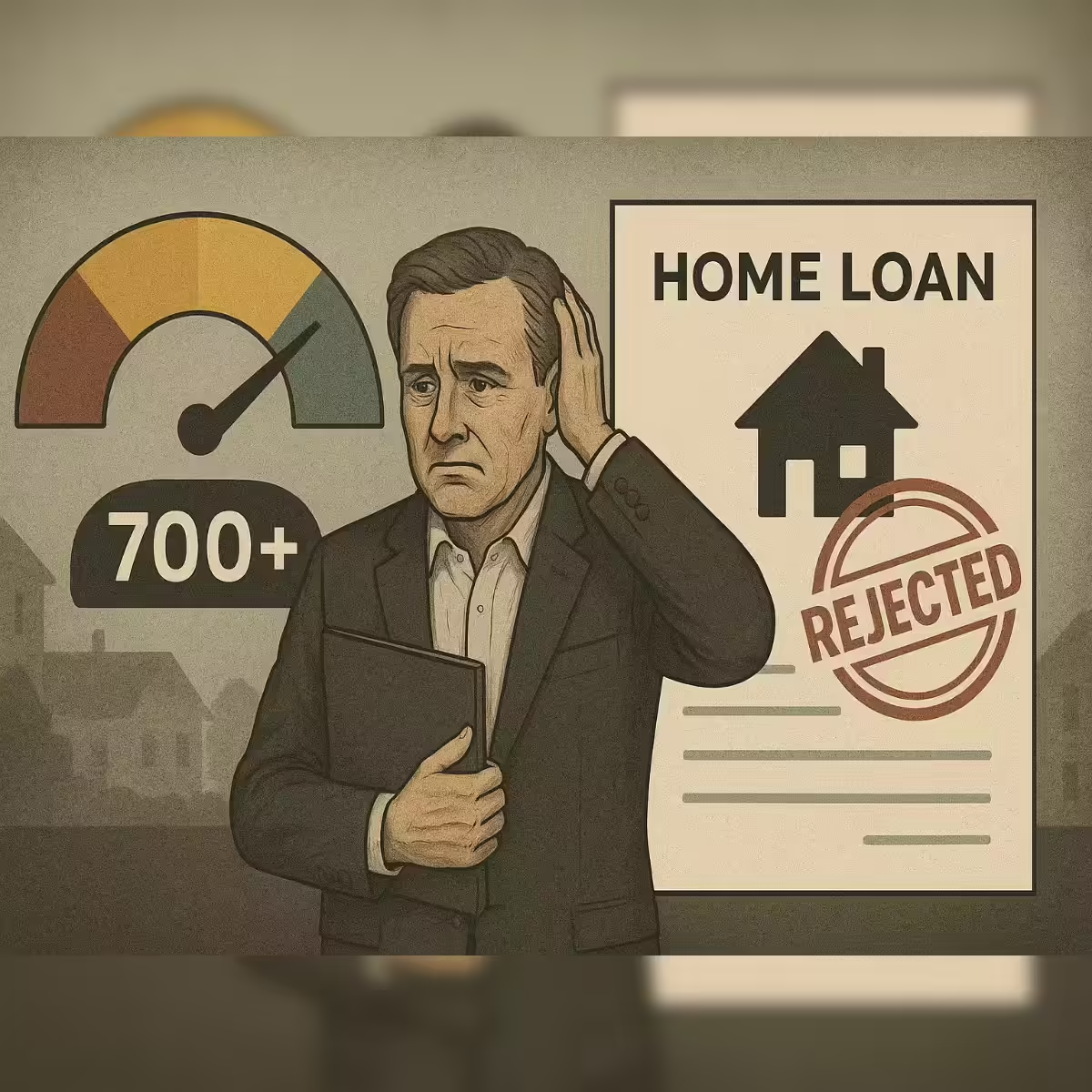

Inside Home Loan Selling Fraud: The Secret Practice Changing the Mortgage Market
The modern mortgage industry is built on complex financial systems that many homeowners never fully see or understand. For most borrowers, taking out a home loan feels like a straightforward transaction between them and their lender. You apply for a mortgage, the bank approves it, and you make monthly payments until the loan is paid off. However, behind the scenes, the reality of the mortgage market is far more complicated. One of the most debated and often misunderstood practices within this system is home loan selling fraud—a term that has increasingly drawn attention from homeowners, financial analysts, and legal experts alike.
At its core, home loan selling fraud refers to questionable or deceptive practices related to the sale or transfer of mortgage loans from one financial institution to another without proper transparency, documentation, or borrower awareness. While selling loans on the secondary mortgage market is a common and legal practice, problems arise when lenders fail to follow strict regulatory guidelines or when critical details are hidden from borrowers. In some cases, homeowners may not even realize that their loan has been sold multiple times after the closing date.
The secondary mortgage market allows lenders to sell loans to investors, freeing up capital so banks can continue issuing new mortgages. Institutions bundle thousands of mortgages together and sell them as mortgage-backed securities to large investors. This process keeps the housing market moving and provides liquidity to financial institutions. However, within this complex system, the possibility of home loan selling fraud emerges when documentation becomes unclear, loan ownership becomes difficult to trace, or when lenders misrepresent loan terms during the transfer process.
For many homeowners, the first sign of potential home loan selling fraud occurs when they receive a notice stating that their mortgage servicing company has changed. While a change in servicer is normal in the mortgage industry, repeated transfers or inconsistent paperwork can raise serious concerns. Borrowers may find discrepancies in payment records, sudden changes in loan terms, or confusion about who actually owns their mortgage. These irregularities can create financial stress and uncertainty for homeowners who simply want clarity about their obligations.
Legal experts point out that one of the biggest risks associated with home loan selling fraud lies in the chain of ownership of the mortgage note. Every time a mortgage is sold, proper documentation must accompany the transfer. If these documents are missing, incomplete, or improperly executed, it can create serious legal questions about who has the right to enforce the loan. During past financial crises, courts discovered numerous cases where banks attempted to foreclose on homes without being able to clearly prove ownership of the loan—a situation that intensified public concern about home loan selling fraud.
Another troubling aspect of home loan selling fraud involves securitization processes. When mortgages are pooled together and sold to investors, each loan must be properly transferred into the trust that holds the mortgage-backed security. If these transfers are rushed, misfiled, or manipulated, it can create gaps in the legal record. These gaps can later become the foundation of disputes between borrowers, lenders, and investors, particularly when foreclosure proceedings begin.
Consumer advocates emphasize that transparency is the most effective safeguard against home loan selling fraud. Borrowers have the legal right to receive clear notification when their loan is sold or when servicing rights are transferred. They also have the right to request documentation proving who owns their loan and who has the authority to collect payments. Unfortunately, many homeowners are unaware of these rights, leaving them vulnerable to confusion when unexpected changes occur in their mortgage servicing.
In recent years, financial regulators, consumer protection agencies, and forensic mortgage auditors have increased their scrutiny of potential home loan selling fraud. Through detailed loan audits and securitization analysis, investigators can often uncover irregularities in loan transfers, missing endorsements, or improperly executed assignments. These findings can play a critical role in legal disputes, helping borrowers challenge questionable foreclosure actions or demand accountability from financial institutions.
As the mortgage market continues to evolve, awareness of home loan selling fraud is becoming more important for both homeowners and professionals working within the housing industry. Understanding how mortgage loans are sold, transferred, and securitized can empower borrowers to ask the right questions and protect their financial interests. While the mortgage system remains an essential part of the global economy, ensuring transparency and accountability in loan transfers is crucial to maintaining trust within the housing market.
Understanding How the Mortgage Market Created the Environment for Home Loan Selling Fraud
To fully understand the issue of home loan selling fraud, it is important to first understand how the modern mortgage market operates. When a borrower takes out a mortgage from a bank or lender, most people assume that the same institution will hold the loan for the entire repayment period. In reality, this is rarely the case. Most lenders sell mortgages soon after they are issued. This practice allows lenders to recover the money they used to fund the loan so they can issue new mortgages to other borrowers.
The system that allows this transfer of loans is known as the secondary mortgage market. In this market, thousands of home loans are bundled together and sold to investors as mortgage-backed securities. While this system helps provide liquidity to the financial industry, it also creates layers of complexity. Within these layers, the potential for home loan selling fraud increases, particularly when proper documentation and transparency are not maintained during loan transfers.
The rapid buying and selling of loans can sometimes lead to confusion about who actually owns a mortgage. When ownership records are incomplete or improperly handled, it becomes difficult to trace the chain of title. This lack of clarity can open the door to disputes, legal challenges, and accusations of home loan selling fraud, especially when borrowers attempt to verify who has the legal authority to collect payments or initiate foreclosure.
Why Lack of Transparency Fuels Home Loan Selling Fraud
Transparency plays a critical role in preventing home loan selling fraud, yet many borrowers are never fully informed about how often their loan may change hands. In some cases, a mortgage may be sold several times within the first few years after it is originated. While each transfer should be documented properly, the speed and volume of these transactions can sometimes lead to errors or missing records.
Borrowers often discover changes only when they receive notices informing them that their loan servicer has changed. The servicer is the company responsible for collecting payments and managing the account. Although servicing transfers are common, repeated changes or inconsistent communication may create confusion. When documentation does not clearly reflect the loan’s history, questions about home loan selling fraud may begin to surface.
Another transparency issue arises when homeowners attempt to request proof of loan ownership. Legally, borrowers have the right to know who owns their mortgage note. However, when loans have been securitized and sold through multiple financial entities, obtaining clear documentation can sometimes become difficult. This lack of clarity can strengthen suspicions of home loan selling fraud, particularly if the institutions involved cannot provide complete records.
Documentation Problems That Often Signal Home Loan Selling Fraud
Proper documentation is the backbone of the mortgage industry. Every transfer of a mortgage loan must include clear and accurate records showing how the loan moved from one party to another. These records usually include assignments of mortgage, endorsements of the promissory note, and trust transfer documents in cases where securitization occurs.
When these documents are missing or incomplete, it can create serious legal complications. Courts have seen cases where lenders attempted to enforce loans without producing a valid chain of assignments. Situations like these have raised widespread concerns about home loan selling fraud, particularly during periods when foreclosure filings increased dramatically.
Another common documentation issue involves what is often referred to as “robo-signing.” This occurs when employees of financial institutions sign thousands of legal documents without properly reviewing them. Such practices can lead to inaccurate filings and improperly executed transfers. When these documents are later challenged in court, they may reveal procedural flaws that contribute to claims of home loan selling fraud.
The integrity of mortgage documentation is critical not only for lenders and investors but also for homeowners. Without proper documentation, the legal standing of a loan can become questionable, creating uncertainty about the rights and responsibilities of all parties involved.
The Role of Mortgage Securitization in Home Loan Selling Fraud
Mortgage securitization is a financial process that allows lenders to bundle large groups of loans together and sell them to investors as securities. These mortgage-backed securities generate income through the monthly payments made by borrowers. While securitization plays a significant role in keeping credit flowing through the housing market, it also introduces complex legal and financial structures.
Within these structures, loans are supposed to be transferred into trusts according to strict timelines and documentation requirements. When these procedures are not followed correctly, the transfer of ownership may become legally questionable. In such cases, allegations of home loan selling fraud may arise because the trust claiming ownership of the loan may not have received the proper documentation required under securitization agreements.
Another issue connected to securitization involves the separation of the mortgage note from the mortgage deed. If these documents are transferred improperly or recorded inconsistently, it can create confusion about which entity has the legal authority over the loan. These complications can become especially significant during foreclosure proceedings, where proof of ownership is essential.
The complexity of securitization systems means that even small documentation errors can cascade into larger legal issues. When these issues surface, they often raise serious concerns regarding home loan selling fraud and the accuracy of loan ownership records.
How Borrowers Are Affected by Home Loan Selling Fraud
For homeowners, the consequences of home loan selling fraud can be both financial and emotional. Many borrowers rely on stable communication with their lender or loan servicer to manage payments, escrow accounts, and loan modifications if financial difficulties arise. When loans are transferred repeatedly or documentation becomes unclear, borrowers may struggle to determine who is responsible for managing their mortgage.
Confusion over loan ownership can also complicate situations where borrowers attempt to negotiate loan modifications or repayment plans. If the entity servicing the loan does not clearly represent the actual owner of the mortgage, negotiations may stall or become ineffective. This lack of clarity can intensify financial stress for homeowners already facing challenging circumstances.
In more severe situations, homeowners have discovered that foreclosure actions were initiated by institutions that could not fully prove ownership of the loan. These situations have brought national attention to the risks associated with home loan selling fraud and have prompted courts and regulators to demand stricter documentation standards.
Growing Awareness and Investigation of Home Loan Selling Fraud
Over the past decade, increased scrutiny from regulators, consumer advocates, and forensic mortgage auditors has helped shed light on the potential risks of home loan selling fraud. Investigations often involve analyzing loan documents, securitization records, and transfer histories to identify inconsistencies.
Forensic mortgage audits have become a valuable tool in these investigations. By reviewing the entire chain of loan ownership, auditors can uncover missing assignments, improper endorsements, or violations of securitization rules. When such irregularities are identified, they may provide borrowers and legal professionals with important evidence in disputes involving mortgage enforcement.
Regulatory agencies have also introduced stricter oversight and compliance requirements for lenders and mortgage servicers. These efforts aim to improve transparency and reduce the possibility of errors that could contribute to home loan selling fraud. While these reforms have strengthened protections for borrowers, the complexity of the mortgage market means that ongoing vigilance remains necessary.
As awareness continues to grow, more homeowners are learning about their rights to request documentation, verify loan ownership, and question irregularities in mortgage transfers. This growing awareness plays a critical role in addressing the broader concerns surrounding home loan selling fraud and promoting greater accountability within the financial system.
Conclusion
The issue of home loan selling fraud highlights the importance of transparency, accountability, and proper documentation within the modern mortgage system. While the buying and selling of mortgage loans is a legitimate and essential practice that keeps the housing market functioning, problems arise when lenders or financial institutions fail to maintain clear records or follow required procedures during loan transfers. These failures can create confusion about loan ownership, raise legal concerns, and leave borrowers uncertain about who truly controls their mortgage.
Understanding the risks associated with home loan selling fraud empowers homeowners to be more vigilant about their mortgage documents and loan history. Borrowers have the right to request clear proof of loan ownership, accurate servicing records, and proper documentation for any transfer of their mortgage. By exercising these rights, homeowners can protect themselves from potential irregularities and ensure that their financial obligations remain transparent and legitimate.
As awareness continues to grow, regulators, legal professionals, and forensic auditors are paying closer attention to practices that may indicate home loan selling fraud. Their work plays an important role in strengthening industry standards and protecting borrowers from unfair or deceptive practices. Ultimately, increased transparency and responsible lending practices are essential to maintaining trust in the mortgage system and ensuring that the housing market remains stable, fair, and accountable for everyone involved.
Unlock Clarity. Strengthen Your Case. Transform Your Client Outcomes
In today’s complex mortgage landscape, precision, documentation, and expert analysis can make the difference between uncertainty and a powerful legal strategy. When professionals need deeper insight into mortgage securitization, loan transfers, and documentation integrity, partnering with experienced forensic auditors becomes essential.
For more than four years, Mortgage Audits Online has been dedicated to helping associates and industry professionals build stronger, well-supported cases through detailed securitization analysis and forensic mortgage audits. As a business-to-business provider, the company works closely with legal professionals, consultants, and industry partners who require reliable research, accurate documentation review, and strategic insights to support their clients’ positions.
Mortgage Audits Online focuses on delivering thorough, evidence-based audit reports designed to uncover irregularities, clarify loan ownership history, and provide meaningful analysis that professionals can rely on. Their expertise helps bring transparency to complex mortgage structures, giving associates the clarity needed to move forward with confidence.
When your cases demand accuracy, credibility, and professional insight, partnering with the right audit provider can transform your outcomes. Equip your team with the analytical depth and documentation review that can strengthen your strategy and support your clients more effectively.
Take the next step toward stronger, better-supported cases by connecting with Mortgage Audits Online today.
📍 Mortgage Audits Online
100 Rialto Place, Suite 700
Melbourne, FL 32901
📱 Phone: 877-399-2995
📠 Fax: 877-398-5288
🌐 Visit: https://www.mortgageauditsonline.com/
“Disclaimer Note: This article is for educational & entertainment purposes