
Home Loan Securitization Fraud: The Hidden Mortgage Scheme Borrowers Rarely Discover
Informative Introduction
For many people, buying a home represents one of the most important financial decisions of their lives. Borrowers typically trust that their mortgage agreement is a straightforward contract between themselves and their lender. However, the modern mortgage industry is far more complex than it appears on the surface. Behind the scenes, many home loans are packaged, sold, and traded within global financial markets through a process known as securitization. While this process is legal and widely used by financial institutions, concerns arise when the system lacks transparency or when documentation and ownership records are manipulated. This is where home loan securitization fraud becomes a serious issue.
Home loan securitization fraud refers to deceptive or questionable practices connected to the securitization of mortgage loans. In a typical securitization process, a bank or lender bundles hundreds or even thousands of mortgages together and sells them to investors as mortgage-backed securities. These securities generate income for investors through the monthly payments made by borrowers. Although this system allows lenders to free up capital and issue more loans, it also creates a complex chain of ownership that can be difficult to track.
The problem begins when borrowers are not informed about how their mortgage may be transferred or when financial institutions fail to properly document these transfers. In cases involving home loan securitization fraud, the ownership of a loan may change multiple times without clear records, leaving borrowers uncertain about who actually owns their mortgage. This lack of transparency can create serious complications if a dispute arises, particularly during foreclosure proceedings.
Many homeowners are surprised to learn that the company collecting their monthly payments may not be the actual owner of their loan. Instead, a mortgage servicer may be acting on behalf of an investment trust that holds the securitized loans. When documentation is incomplete or improperly transferred, questions about legal standing and loan ownership can emerge. These situations often form the basis of allegations related to home loan securitization fraud, where financial institutions may attempt to enforce loan obligations without proving clear ownership rights.
The complexity of mortgage securitization structures can make it extremely difficult for borrowers to identify irregularities. Mortgage-backed securities, trust agreements, and loan servicing contracts are often written in highly technical financial language. As a result, the average borrower rarely has access to the information necessary to fully understand how their mortgage is being managed in the secondary market. This lack of transparency is one of the main reasons why home loan securitization fraud can remain hidden for years.
The issue gained global attention following the housing market collapse of the late 2000s. During that period, investigators and legal experts discovered widespread documentation problems within the mortgage industry. Some institutions struggled to produce proper loan ownership records, while others relied on questionable practices to process foreclosures quickly. These revelations intensified concerns about home loan securitization fraud and prompted calls for stronger regulatory oversight.
Today, legal professionals and financial analysts often conduct forensic mortgage audits to investigate potential irregularities in securitized loans. These audits examine loan origination documents, transfer records, securitization trusts, and servicing agreements to determine whether the mortgage was handled according to legal and financial standards. When discrepancies appear, they may indicate possible instances of home loan securitization fraud that require further investigation.
Understanding home loan securitization fraud is increasingly important in a financial system where mortgages are routinely traded as investment assets. Borrowers who become aware of how securitization works are better equipped to recognize irregularities and protect their financial interests. Greater awareness also encourages transparency and accountability within the mortgage industry.
Ultimately, the discussion surrounding home loan securitization fraud highlights the need for clearer documentation, stronger regulatory oversight, and improved communication between lenders and borrowers. When homeowners understand the financial mechanisms behind their mortgage, they are in a stronger position to ensure that their rights are respected and that lending practices remain fair and lawful.
Understanding the Structure Behind Home Loan Securitization
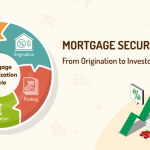
The concept of home loan securitization fraud cannot be fully understood without first examining how mortgage securitization works. Securitization is a financial process in which banks and lenders bundle numerous home loans together and convert them into investment products known as mortgage-backed securities. These securities are then sold to investors in financial markets.
In theory, securitization benefits the financial system. It allows lenders to free up capital so they can issue more loans, while investors gain an opportunity to earn returns through mortgage payments made by borrowers. However, the process also introduces a complicated chain of transactions involving lenders, investment banks, trustees, servicers, and investors.
Problems arise when the documentation supporting these transfers is incomplete, inaccurate, or intentionally manipulated. This is where home loan securitization fraud begins to take shape. If the original loan documents are not properly transferred into the securitization trust or if assignments are created long after the fact, questions about the true ownership of the loan may emerge.
For borrowers, the situation can become confusing because the entity collecting their monthly payments may not actually own the mortgage. Instead, a loan servicer may simply be managing the account on behalf of a trust that holds thousands of securitized loans. When documentation is unclear or inconsistent, it creates an environment where home loan securitization fraud may occur or remain hidden.
Understanding this structure is essential because it explains how mortgages move through multiple financial institutions without the borrower ever being fully informed about the changes in ownership.
How Borrowers Become Unaware of Loan Transfers
One of the most troubling aspects of home loan securitization fraud is that borrowers are often unaware that their mortgage has been transferred or sold multiple times. When a homeowner signs a mortgage agreement, they typically believe they will deal with the same lender throughout the life of the loan. In reality, the loan may be sold to other financial institutions within weeks of origination.
These transfers often occur in the secondary mortgage market, where banks package loans and sell them to investment entities. Although borrowers may receive occasional notices about servicing changes, they rarely receive detailed explanations about where their loan ultimately resides.
This lack of transparency contributes significantly to the potential for home loan securitization fraud. If a loan changes hands several times without proper documentation, it can become difficult to establish a clear chain of title. In legal terms, the chain of title refers to the documented history of ownership for a mortgage.
Without accurate records, disputes can arise over who has the legal authority to enforce the loan. Borrowers facing foreclosure may discover that the institution attempting to foreclose cannot produce the necessary documentation proving ownership. Situations like these often lead to investigations involving home loan securitization fraud.
Many homeowners only begin to question the legitimacy of their loan documentation when they face financial difficulties or foreclosure proceedings. At that point, legal professionals may begin examining the loan history more closely.
Documentation Problems and Legal Concerns
Documentation plays a critical role in determining whether a mortgage has been properly transferred through the securitization process. Each step in the transfer of a loan should be supported by legally valid assignments, endorsements, and recorded documents.
However, investigations into the mortgage industry have revealed numerous documentation problems over the years. In some cases, assignments were created years after the original transaction occurred. In others, signatures appeared to be mechanically reproduced or signed by individuals who lacked proper authorization.
These irregularities have raised serious concerns about home loan securitization fraud. If a loan was not properly transferred into a securitization trust according to the trust’s governing documents, it may raise questions about whether the trust actually owns the loan.
Legal disputes related to home loan securitization fraud often focus on the timing and validity of these transfers. Many securitization trusts are governed by strict rules that specify when and how loans must be transferred into the trust. If those rules are not followed, the legitimacy of the transaction may be challenged.
Courts have addressed numerous cases in which borrowers questioned whether the entity attempting to enforce the loan had proper standing. These disputes highlight how critical accurate documentation is within the securitization system.
The Role of Mortgage Servicers in the Securitization System
Mortgage servicers play a central role in the modern lending system, particularly in loans that have been securitized. A servicer is responsible for collecting payments, managing escrow accounts, communicating with borrowers, and handling loan modifications when necessary.
However, servicers typically do not own the loans they manage. Instead, they act as intermediaries between borrowers and the investors who hold the securitized mortgage assets. This arrangement can create confusion about responsibility and authority.
In cases involving home loan securitization fraud, questions sometimes arise about whether servicers have the proper authority to enforce loan obligations. Borrowers may receive communications from servicing companies that appear to act as lenders, even though they are merely administering the loan.
This distinction becomes particularly important during foreclosure proceedings. The servicer may initiate legal action on behalf of the securitization trust, but the trust itself must ultimately demonstrate that it holds the legal rights to the loan.
If the documentation supporting those rights is incomplete or inconsistent, it can strengthen allegations of home loan securitization fraud. This is why legal professionals often examine servicing records and transfer histories when investigating mortgage disputes.
Forensic Mortgage Audits and Investigations
As awareness of home loan securitization fraud has grown, forensic mortgage audits have become an important investigative tool. These audits involve a detailed review of mortgage documents, loan transfers, securitization records, and servicing agreements.
The purpose of a forensic audit is to determine whether the loan was originated and transferred in compliance with financial regulations and legal standards. Auditors may examine public records, trust documents, and loan assignments to reconstruct the history of the mortgage.
In many cases, these investigations reveal discrepancies that may otherwise go unnoticed. Missing endorsements, improperly recorded assignments, or inconsistent transfer dates can all indicate potential issues within the securitization process.
When such discrepancies are discovered, they may suggest the presence of home loan securitization fraud or other irregularities in the handling of the mortgage. Legal professionals often rely on forensic audits to support claims or defenses in mortgage-related litigation.
Although not every discrepancy indicates fraud, these audits provide valuable insight into how the loan has been managed over time.
Why Transparency in Mortgage Lending Matters
The discussion surrounding home loan securitization fraud ultimately points to a broader issue within the financial system: transparency. Borrowers deserve clear information about who owns their loan, who services it, and how their mortgage may be transferred throughout its life cycle.
When transparency is lacking, confusion and mistrust can develop between borrowers and financial institutions. Clear documentation and open communication are essential for maintaining confidence in the mortgage system.
Regulators, legal professionals, and financial institutions continue to debate how best to address concerns related to home loan securitization fraud. Strengthening documentation requirements, improving recordkeeping systems, and ensuring proper oversight are all part of the ongoing effort to protect borrowers.
Greater transparency not only protects homeowners but also strengthens the integrity of financial markets. When mortgage transactions are properly documented and clearly communicated, the risk of disputes and legal challenges is significantly reduced.
Understanding the risks and complexities associated with home loan securitization fraud allows borrowers, legal professionals, and financial experts to work toward a more accountable and transparent mortgage industry.
Conclusion
Understanding home loan securitization fraud is essential for borrowers navigating today’s complex mortgage landscape. While securitization itself is a legitimate financial practice that allows lenders to convert mortgage loans into investment securities, problems arise when transparency, documentation, and accountability are compromised. When the transfer of mortgage loans occurs without proper records or when ownership chains become unclear, the risk of home loan securitization fraud increases significantly.
For homeowners, the hidden nature of home loan securitization fraud often means they remain unaware that their loan may have been transferred multiple times within the financial system. This lack of transparency can create confusion about who actually owns the loan and who has the legal authority to enforce it. In disputes or foreclosure cases, these uncertainties can become critical legal issues.
Raising awareness about home loan securitization fraud empowers borrowers to ask informed questions, review documentation carefully, and seek professional guidance when irregularities appear. Legal professionals and forensic mortgage auditors also play a key role in uncovering documentation gaps and ensuring that mortgage transactions comply with legal standards.
Ultimately, addressing concerns surrounding home loan securitization fraud requires stronger oversight, accurate recordkeeping, and greater transparency in the mortgage industry. When borrowers understand how securitization works and recognize the warning signs of home loan securitization fraud, they are better equipped to protect their rights and financial interests.
Empower Your Legal Strategy with Trusted Mortgage Intelligence
In today’s complex mortgage landscape, uncovering the truth behind loan documentation and securitization structures can make the difference between a weak case and a powerful one. When legal professionals and industry associates have access to accurate, well-researched mortgage data, they gain the clarity needed to build stronger strategies and achieve better outcomes for their clients.
Unlock Clarity. Strengthen Your Case. Transform Your Client Outcomes.
For over four years, Platinum Audits Pro has been supporting professionals with detailed securitization and forensic mortgage audits designed to uncover critical loan information. Our team focuses on providing precise, well-documented audit reports that help attorneys, legal consultants, and industry associates identify discrepancies, analyze loan transfers, and strengthen case preparation.
Exploring reliable mortgage analysis?
As a business-to-business provider, we work exclusively with professionals who require reliable mortgage analysis and securitization research. Our audits are carefully prepared to assist legal teams in understanding loan ownership structures, identifying documentation gaps, and exploring potential irregularities within the mortgage securitization process.
Whether you are investigating loan history, examining securitization pathways, or preparing documentation for litigation support, our services are designed to provide the insight and clarity professionals need.
Partner with a team that understands the complexity of mortgage documentation and the importance of precise financial analysis.
Connect with Mortgage Audits Online
📍 Mortgage Audits Online
100 Rialto Place, Suite 700
Melbourne, FL 32901
📱 Phone: 877-399-2995
📠 Fax: 877-398-5288
🌐 Visit: https://www.mortgageauditsonline.com/
Partner with experts who understand the complexities of mortgage securitization and forensic loan analysis—and start building stronger, more informed cases today.
“Disclaimer Note: This article is for educational & entertainment purposes”