
Home Loan Securitization Fraud Detecting Home Loan Securitization Fraud Through Mortgage Chain-of-Title Analysis
The global mortgage industry has evolved dramatically over the past few decades, especially with the rapid growth of financial instruments tied to real estate loans. One of the most influential developments in modern lending has been the securitization of home loans, a process that allows lenders to bundle mortgages and sell them as investment products to investors around the world. While this financial innovation has helped banks increase liquidity and expand lending opportunities, it has also opened the door to complex legal and financial irregularities. Among the most serious of these concerns is home loan securitization fraud, a problem that has attracted growing scrutiny from homeowners, attorneys, forensic auditors, and financial regulators.
At its core, home loan securitization fraud refers to deceptive or improper practices that occur when mortgage loans are transferred, bundled, and sold within the securitization process without following the required legal procedures. In a properly executed securitization structure, each mortgage loan must pass through a clearly documented chain of ownership. This chain typically begins with the original lender, moves through various intermediaries such as aggregators and sponsors, and ultimately reaches a trust that issues mortgage-backed securities to investors. Every step in this transfer must be supported by accurate documentation, including assignments, endorsements, and recorded transfers.
However, investigations following major financial crises revealed that many loans were transferred without proper documentation, or that paperwork was created years after the fact to cover missing records. In numerous cases, lenders and servicers attempted to enforce mortgages in foreclosure proceedings without possessing the lawful ownership of the underlying loan. These irregularities have led to allegations of home loan securitization fraud, raising questions about whether financial institutions complied with the strict legal standards required for transferring mortgage assets.
One of the most effective methods used by forensic auditors and legal professionals to uncover home loan securitization fraud is mortgage chain-of-title analysis. The chain of title represents the complete historical record of ownership and transfer of a mortgage from the moment it was originated to the present holder. By carefully examining this sequence of transfers, investigators can determine whether each assignment was properly executed, recorded, and legally valid. If gaps, inconsistencies, or suspicious timing patterns appear in the chain, they may indicate that the mortgage was transferred improperly or that documentation was fabricated.
Chain-of-title analysis has become particularly important because securitization transactions often involve multiple entities operating across different jurisdictions. Loans may pass through originators, warehouse lenders, securitization sponsors, trustees, and servicers before reaching investors. Each transfer must comply with contractual agreements known as pooling and servicing agreements, which define the timeline and procedures for moving loans into securitized trusts. When these rules are violated, it can create serious legal consequences that may undermine the enforceability of the mortgage itself.
The issue gained widespread attention after the global financial crisis, when courts began examining foreclosure cases more closely. Judges in several jurisdictions discovered that some financial institutions were unable to produce complete documentation proving ownership of the loans they were attempting to enforce. In certain instances, assignments appeared to have been executed by individuals without proper authority, while other documents contained conflicting dates or signatures. Such findings strengthened the argument that home loan securitization fraud may have occurred during the transfer and securitization of mortgage loans.
For homeowners facing foreclosure, understanding the possibility of home loan securitization fraud can be crucial. A flawed chain of title may raise questions about whether the entity seeking foreclosure has the legal standing to enforce the mortgage. Legal teams often rely on detailed forensic audits to identify discrepancies in loan transfers, improper endorsements, or missing assignments. These findings can form the basis of legal challenges that demand greater transparency from lenders and servicers.
Beyond individual foreclosure cases, detecting home loan securitization fraud also plays an important role in protecting the integrity of financial markets. Mortgage-backed securities are widely held by institutional investors such as pension funds, insurance companies, and investment firms. If the underlying mortgage loans were transferred improperly, it could expose investors to unexpected risks and potential financial losses.
As the mortgage industry continues to evolve, chain-of-title analysis remains one of the most powerful investigative tools available for identifying irregularities in loan ownership. By tracing every transfer and verifying each document, auditors and legal professionals can uncover patterns that reveal home loan securitization fraud, helping to ensure accountability within the complex world of mortgage finance.
Understanding the Structure of Mortgage Securitization
Mortgage securitization is a structured financial process designed to convert individual home loans into investment securities that can be sold to investors in global financial markets. In theory, this system increases liquidity in the lending industry and allows banks to issue more loans to borrowers. However, the complexity of this process has also created opportunities for irregularities and misconduct that may lead to home loan securitization fraud.
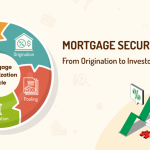
The securitization process typically begins when a mortgage lender originates a home loan for a borrower. Instead of holding the loan for its entire life, the lender often sells it to another financial entity known as an aggregator. The aggregator collects hundreds or even thousands of mortgages and prepares them to be transferred into a securitized trust. Once inside the trust, the loans become the foundation for mortgage-backed securities that are sold to institutional investors.
Each transfer in this process must follow strict documentation procedures. Assignments of mortgage, endorsements of promissory notes, and official recording of transfers are all required to maintain a clear and legally valid chain of ownership. When these steps are skipped, delayed, or improperly executed, it can create the conditions that allow home loan securitization fraud to occur. Improper documentation may result in gaps in ownership records, which can later raise questions about who actually holds the legal rights to enforce the mortgage.
The Importance of a Complete Mortgage Chain of Title
The mortgage chain of title is essentially the historical record showing every entity that has owned or held an interest in a mortgage loan from the moment it was originated. This chain must be clear, continuous, and properly documented to ensure that the current holder of the loan has legal authority to enforce it.
When investigators analyze a mortgage chain of title, they carefully examine every assignment, endorsement, and transfer associated with the loan. They verify whether each document was properly executed, whether it was recorded in the appropriate jurisdiction, and whether the timing of the transfers aligns with the requirements of securitization agreements.
Problems arise when this chain is incomplete or inconsistent. Missing assignments, backdated documents, and unauthorized signatories can all indicate potential home loan securitization fraud. For example, if a mortgage appears to have been transferred into a securitized trust years after the trust was legally closed, it may suggest that the loan was never properly placed in the trust in the first place. Such discrepancies are often discovered through detailed forensic analysis of the loan file and public land records.
A broken or questionable chain of title can have serious legal consequences. Courts often require lenders to demonstrate a clear chain of ownership before allowing them to proceed with foreclosure actions. If the lender cannot provide proper documentation proving that the loan was transferred legally, the legitimacy of the foreclosure may be challenged.
Common Red Flags Found in Chain-of-Title Investigations
Mortgage auditors and legal investigators have identified several common warning signs that may indicate home loan securitization fraud within the mortgage chain of title. One of the most frequent issues involves missing assignments of mortgage between entities that supposedly transferred the loan. Without these documents, it becomes difficult to verify that ownership was legally transferred.
Another common red flag is the appearance of assignments that were executed long after the securitization trust had already been established and closed. Securitized trusts typically have strict deadlines that require loans to be transferred within a defined timeframe. Transfers occurring years later may violate the terms of the trust agreement and raise concerns about the authenticity of the documentation.
Investigators also examine signatures and authorizations on mortgage documents. In some cases, individuals who signed assignments were not actually employed by the companies they claimed to represent. These situations have led to allegations that documents were generated in large volumes without proper verification, potentially contributing to home loan securitization fraud.
In addition, inconsistencies between recorded documents and securitization reports can indicate deeper issues within the loan’s transfer history. If a mortgage is reported to be owned by a specific trust but the land records do not show a transfer to that trust, the discrepancy may signal documentation problems that warrant further investigation.
Legal Implications for Homeowners and Lenders
The discovery of irregularities within a mortgage chain of title can significantly impact both borrowers and financial institutions. For homeowners facing foreclosure, identifying evidence of home loan securitization fraud may provide an opportunity to challenge the legal standing of the party attempting to enforce the loan.
Courts often require lenders to demonstrate that they possess both the promissory note and the mortgage assignment proving ownership of the debt. If these documents are incomplete, inconsistent, or improperly executed, the lender’s authority to foreclose may be questioned. This has led to numerous legal disputes in which homeowners and their attorneys request detailed documentation of the loan’s transfer history.
For lenders and financial institutions, allegations of home loan securitization fraud can result in significant financial and reputational consequences. Regulatory authorities may impose penalties if institutions are found to have engaged in improper documentation practices or misleading representations regarding mortgage ownership.
Furthermore, investors who purchase mortgage-backed securities rely on the assumption that the underlying loans were legally transferred into securitized trusts. If the chain of title reveals irregularities, investors may claim that the securities were misrepresented, potentially leading to large financial settlements or legal disputes.
The Role of Forensic Mortgage Audits
Forensic mortgage audits have emerged as a critical investigative tool for detecting home loan securitization fraud. These audits involve a comprehensive review of loan documentation, securitization reports, public land records, and servicing histories to identify discrepancies within the mortgage chain of title.
During a forensic audit, analysts examine the timeline of loan transfers and compare it with the requirements outlined in securitization agreements. They evaluate whether assignments were recorded properly, whether endorsements on promissory notes were executed correctly, and whether the entities involved in the transfers had the legal authority to act.
One of the key objectives of forensic auditing is to determine whether the loan was actually transferred into the securitized trust as claimed. If the evidence shows that the loan was never properly conveyed, it may indicate potential home loan securitization fraud and raise questions about the trust’s ability to enforce the mortgage.
Forensic auditors also analyze servicing records to determine whether the loan was treated consistently with the securitization structure. In some cases, servicing activity may reveal that the loan was managed by entities that were not legally connected to the trust that supposedly owned it. Such findings can provide valuable insight into how the loan was handled after securitization.
Strengthening Transparency in Mortgage Documentation
The growing awareness of home loan securitization fraud has encouraged greater scrutiny of mortgage documentation practices across the financial industry. Regulators, courts, and consumer advocates have increasingly emphasized the importance of maintaining accurate and verifiable records of mortgage transfers.
Improving transparency within the mortgage chain of title is essential for preserving trust in the housing finance system. Clear documentation ensures that homeowners understand who holds their loan, investors can rely on the integrity of mortgage-backed securities, and courts can confidently determine the rightful parties in foreclosure proceedings.
Financial institutions are also adopting stronger compliance measures to prevent documentation errors and reduce the risk of home loan securitization fraud. These measures include stricter verification procedures, improved record-keeping systems, and more detailed oversight of mortgage transfer processes.
As mortgage securitization continues to play a major role in global financial markets, the careful examination of loan ownership records will remain a vital safeguard. Through thorough chain-of-title analysis and forensic auditing, investigators can detect patterns of home loan securitization fraud, helping to protect borrowers, investors, and the overall stability of the mortgage industry.
Conclusion
The growing complexity of modern mortgage finance has made transparency and accurate documentation more important than ever. As loans are transferred through multiple financial institutions and eventually placed into securitized trusts, every step of the process must be properly recorded to maintain a valid chain of ownership. When these procedures are ignored or manipulated, the risk of home loan securitization fraud increases significantly. Such irregularities not only affect borrowers but also create serious legal and financial challenges for lenders, investors, and the broader housing market.
Mortgage chain-of-title analysis has emerged as one of the most effective methods for identifying home loan securitization fraud. By carefully reviewing assignments, endorsements, and transfer records, auditors and legal professionals can uncover inconsistencies that may indicate improper loan transfers or missing documentation. These findings can play a critical role in legal proceedings, particularly when the authority of a lender to enforce a mortgage is questioned.
Detecting home loan securitization fraud ultimately helps strengthen accountability within the mortgage industry. When proper documentation standards are enforced, it protects homeowners from unlawful foreclosure actions and reassures investors that the loans backing their securities were transferred legally. Continued scrutiny, forensic auditing, and transparent mortgage documentation practices remain essential tools in preventing home loan securitization fraud and maintaining confidence in the global housing finance system.
Reveal the Truth behind the Loan: Build Stronger Cases with Expert Forensic Mortgage Audits
In today’s complex mortgage landscape, precision, documentation, and deep analytical insight can make the difference between uncertainty and a winning legal strategy. When questions arise around securitization, loan ownership, or irregularities in the mortgage chain of title, having a trusted forensic audit partner becomes essential. That is where Mortgage Audits Online steps in.
For more than four years, we have helped our professional associates uncover critical documentation gaps, identify securitization inconsistencies, and strengthen their legal arguments through comprehensive forensic mortgage audits. Our services are designed exclusively for business-to-business professionals, including attorneys, legal consultants, investigators, and industry experts who require reliable analytical support to build stronger cases.
Our team conducts detailed securitization and forensic mortgage audits that carefully examine the loan’s transfer history, documentation trail, and compliance with securitization protocols. Through meticulous mortgage chain-of-title analysis and document verification, we provide clear, structured findings that can help uncover irregularities and support well-prepared legal strategies.
When your cases demand credible analysis and professional insight, partnering with experienced specialists can dramatically improve the depth and effectiveness of your work. With Mortgage Audits Online, you gain access to focused expertise, thorough reporting, and the analytical clarity needed to support complex mortgage litigation and investigations.
When clarity, documentation, and professional insight matter most, working with the right forensic mortgage audit partner can transform uncertainty into strategic advantage. Connect with Mortgage Audits Online today and equip your cases with the depth of analysis and credibility they deserve.
Mortgage Audits Online
📍 100 Rialto Place, Suite 700
Melbourne, FL 32901
📱 Phone: 877-399-2995
📠 Fax: 877-398-5288
🌐 Visit: https://www.mortgageauditsonline.com/
“Disclaimer Note: This article is for educational & entertainment purposes”