
He omLoan Selling Fraud: The Shocking Truth Banks Don’t Want Borrowers to Know
For millions of families, a home loan represents hope, stability, and the dream of owning a safe place to live. Borrowers trust banks and financial institutions to guide them through what is often the largest financial commitment of their lives. However, behind the polished marketing campaigns, reassuring loan officers, and complicated financial paperwork, a troubling reality has been quietly unfolding in the mortgage industry. This reality is known as home loan selling fraud, and it has left many borrowers confused, misled, and financially vulnerable.
At its core, home loan selling fraud refers to deceptive or misleading practices used during the process of originating, packaging, or transferring home loans to investors. Many borrowers assume that once a loan is approved by a bank, the institution will keep and manage that loan for the full repayment period. In reality, this is often not the case. In modern financial markets, banks frequently sell or transfer mortgages to third parties, investment trusts, or financial institutions shortly after the loan is issued. While the sale of mortgages itself is a common and legal practice, problems arise when borrowers are not properly informed about these transactions or when the documentation involved becomes questionable.
The issue becomes particularly concerning when home loan selling fraud occurs through misleading loan disclosures, hidden securitization structures, or improper documentation. In some situations, borrowers are led to believe they are dealing directly with a lender that holds the loan, while in reality the loan may have already been transferred to a complex chain of financial entities. This lack of transparency can create confusion about who actually owns the loan, who has the authority to collect payments, and who has legal standing in case of foreclosure disputes.
Another alarming dimension of home loan selling fraud involves the packaging of mortgages into large investment pools. Financial institutions often bundle thousands of home loans together and sell them as mortgage-backed securities to investors. While this system helps banks generate liquidity and issue more loans, it also creates opportunities for irregularities. When loans are rapidly transferred between institutions, the chain of ownership documentation can become fragmented or improperly recorded. In some cases, borrowers and even courts struggle to determine which entity truly owns the mortgage.
The consequences of home loan selling fraud can be serious and far-reaching. Borrowers may suddenly receive payment notices from unfamiliar loan servicers or institutions they have never heard of. They may find it difficult to obtain clear information about their loan terms, modification options, or repayment structure. In extreme situations, disputes arise during foreclosure proceedings when different parties claim rights to the same mortgage. These conflicts often expose gaps or inconsistencies in the paperwork used to transfer loans between institutions.
Regulatory bodies and consumer protection groups have increasingly raised concerns about the risks associated with home loan selling fraud. Over the past two decades, investigations and legal challenges have highlighted how poorly documented loan transfers, robo-signing practices, and securitization irregularities have contributed to borrower disputes and financial uncertainty. These problems became especially visible during the global financial crisis, when millions of mortgages were rapidly transferred through complex financial structures.
For borrowers, understanding home loan selling fraud is not just a legal or technical matter—it is an essential part of protecting their financial future. Many homeowners sign loan agreements without realizing that their mortgage could be sold multiple times throughout its lifetime. Without clear communication from lenders, borrowers may be unaware of their rights, the identity of the actual loan owner, or the legal procedures required for a legitimate transfer of the mortgage.
Awareness is the first step toward addressing the challenges created by home loan selling fraud. By learning how mortgage transfers work, recognizing warning signs of irregular loan servicing, and demanding transparency from lenders, borrowers can better safeguard themselves against potential deception or documentation errors. As public scrutiny grows and financial systems evolve, the need for clearer regulations and stronger oversight has never been more urgent.
In the following sections, we will explore how home loan selling fraud operates, why it occurs, the legal implications surrounding mortgage transfers, and what borrowers can do to identify and respond to suspicious lending practices. Understanding these issues can empower homeowners with the knowledge they need to protect their rights and ensure that the dream of homeownership does not become overshadowed by hidden financial risks.
How the Modern Mortgage System Opened the Door to Home Loan Selling Fraud
The modern mortgage industry operates very differently from what most borrowers imagine. When a borrower signs documents at a bank or lending institution, they often believe that the lender will hold the loan and receive payments for the next 20 or 30 years. However, the reality of modern finance is far more complex. Many lenders sell loans almost immediately after issuing them. This practice has created a vast secondary mortgage market, and within this system the risk of home loan selling fraud has grown significantly.
In the traditional banking model, lenders kept loans in their own portfolios. Because the bank carried the risk, it had a strong incentive to verify documentation, ensure fair lending practices, and maintain a direct relationship with borrowers. But as mortgage markets expanded, financial institutions began packaging loans into large investment products that could be sold to investors. This shift dramatically increased the speed at which loans changed ownership.
The rapid movement of loans between institutions sometimes results in incomplete records, inaccurate documentation, or missing assignments. These weaknesses in documentation can create conditions where home loan selling fraud becomes possible. Borrowers may not know who actually owns their loan, and in some cases even financial institutions struggle to trace the complete ownership history.
When the ownership chain becomes unclear, disputes often arise over who has the legal authority to collect payments or enforce foreclosure proceedings. Such confusion exposes borrowers to financial and legal risks that many never anticipated when they first signed their mortgage agreement.
The Role of Securitization in Home Loan Selling Fraud
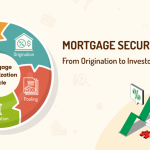
One of the major drivers behind home loan selling fraud is the process known as securitization. Securitization occurs when lenders bundle thousands of mortgages together and convert them into financial instruments that can be sold to investors. These investment products are often referred to as mortgage-backed securities.
While securitization itself is not illegal, the speed and complexity of the process can create opportunities for mistakes or manipulation. Loans are transferred from originators to aggregators, then into trusts or investment pools, and finally to investors across global financial markets. Each transfer requires legal documentation to confirm ownership of the mortgage.
However, in many cases these documents are not properly recorded, signed, or transferred. When this happens, the chain of title may become incomplete. Such gaps can become a key indicator of home loan selling fraud, especially when institutions attempt to enforce loan agreements without possessing the correct documentation.
For borrowers facing foreclosure, these documentation issues can be extremely important. Courts often require lenders to demonstrate clear ownership of a mortgage before enforcing foreclosure rights. When paperwork is missing or inconsistent, legal challenges may arise that reveal deeper problems within the loan transfer process.
Warning Signs Borrowers Should Recognize
Many homeowners are unaware that home loan selling fraud can affect their mortgage. Because loan transfers happen behind the scenes, borrowers often receive little information about the institutions handling their loan.
However, there are certain warning signs that may indicate irregularities. One common indicator is when borrowers suddenly receive notices from unfamiliar loan servicers claiming ownership or payment authority. While servicing transfers are common, confusion about who owns the loan can sometimes signal deeper problems.
Another warning sign involves inconsistent loan records. Borrowers may receive conflicting statements from different financial institutions, each claiming involvement with the same mortgage. In some situations, borrowers have reported receiving payment demands from multiple entities.
Documentation issues can also raise concerns. If borrowers request copies of loan assignments or ownership records and institutions fail to provide them, it may suggest problems with the transfer process. Such situations have been linked to cases involving home loan selling fraud, where the ownership history of the loan cannot be clearly verified.
Legal Challenges Surrounding Home Loan Selling Fraud
As cases involving home loan selling fraud have emerged, courts and regulators have been forced to address the legal complexities surrounding mortgage transfers. One major issue involves the concept of standing. In foreclosure proceedings, the entity seeking foreclosure must prove it has legal authority to enforce the mortgage.
When loans have been transferred multiple times without proper documentation, establishing this authority can become difficult. Borrowers and legal experts have challenged foreclosure actions by arguing that lenders cannot demonstrate a complete chain of ownership.
These disputes have led to major legal battles in several jurisdictions. Courts have sometimes dismissed foreclosure cases when lenders failed to produce proper documentation proving ownership. Such decisions highlight how documentation failures linked to home loan selling fraud can affect both borrowers and financial institutions.
Regulators have also taken action to address questionable mortgage practices. Investigations into loan servicing companies and major banks have uncovered issues such as improper document handling, automated signatures, and inaccurate records. These problems have reinforced concerns about transparency and accountability within the mortgage industry.
Financial and Emotional Impact on Borrowers
Beyond the legal complexities, the human impact of home loan selling fraud can be profound. Homeownership represents security, stability, and long-term financial planning for many families. When irregularities appear in the mortgage process, borrowers may experience significant stress and uncertainty.
Confusion about loan ownership can make it difficult for borrowers to negotiate loan modifications, refinance options, or repayment plans. In times of financial hardship, borrowers may struggle to identify the correct institution authorized to assist them.
For some homeowners, the consequences have been severe. Disputes over loan ownership have led to prolonged foreclosure battles, damaged credit histories, and emotional strain. The uncertainty surrounding home loan selling fraud can leave families feeling powerless against complex financial systems.
These experiences highlight the importance of transparency and accountability within mortgage lending practices. Borrowers deserve clear information about who owns their loan and how it has been transferred throughout its lifetime.
Why Transparency and Oversight Are Essential
As awareness of home loan selling fraud grows, policymakers, consumer advocates, and financial experts are calling for stronger oversight within the mortgage industry. One of the most important solutions involves improving transparency in mortgage transfers.
Clear documentation of loan ownership can help ensure that borrowers know exactly who holds their mortgage and who has the legal authority to enforce loan agreements. Accurate public records also help courts verify ownership in legal disputes.
Technology may also play a role in addressing these challenges. Improved digital recordkeeping systems could help track mortgage transfers more accurately, reducing the risk of lost or incomplete documentation. Financial institutions are increasingly exploring ways to modernize loan record systems to prevent irregularities.
However, transparency alone may not eliminate the risk of home loan selling fraud. Effective regulatory oversight is equally important. Governments and financial regulators must continue monitoring mortgage practices to ensure that lenders follow proper procedures when transferring loans.
Education also plays a crucial role. Borrowers who understand how mortgage markets operate are better equipped to recognize potential warning signs and ask the right questions when dealing with lenders.
Ultimately, the goal of addressing home loan selling fraud is not to disrupt legitimate financial markets but to ensure that borrowers are treated fairly and that mortgage transactions remain transparent and legally sound. When lenders, regulators, and borrowers work together to improve accountability, the mortgage system can better support the very people it is meant to serve—homeowners striving to achieve financial security and stability.
Conclusion
The growing concerns surrounding home loan selling fraud highlight an urgent need for greater transparency, accountability, and borrower awareness within the mortgage industry. For many homeowners, a mortgage is not just a financial agreement—it is the foundation of long-term stability and the realization of a lifelong dream. Yet the complexity of modern mortgage systems, where loans are frequently transferred, bundled, and sold to investors, has created conditions where home loan selling fraud can occur without borrowers fully understanding what is happening behind the scenes.
As loan ownership changes hands multiple times, documentation errors, hidden transfers, and unclear ownership records can create serious legal and financial complications. These issues not only affect lenders and investors but can also place borrowers in confusing and stressful situations. When homeowners are unable to identify the true owner of their mortgage or face conflicting claims from different institutions, the risks associated with home loan selling fraud become very real.
The key to addressing home loan selling fraud lies in awareness, stronger regulatory oversight, and proper documentation of mortgage transfers. Borrowers must remain informed about their loan ownership, request clear records when necessary, and question irregularities in loan servicing. At the same time, financial institutions must ensure transparency and compliance to maintain trust in the mortgage system. Ultimately, protecting homeowners from home loan selling fraud is essential for preserving fairness, confidence, and integrity in modern housing finance.
Turn Complexity into Case Strength with Trusted Forensic Mortgage Analysis
When mortgage documentation becomes complicated and the stakes are high, the right analytical partner can make all the difference. Mortgage Audits Online is dedicated to helping legal professionals, mortgage specialists, and industry associates uncover critical insights through detailed securitization and forensic mortgage audits. With years of experience supporting professionals in complex mortgage cases, the firm delivers structured analysis designed to strengthen case preparation and strategic decision-making.
For more than four years, Mortgage Audits Online has worked alongside industry partners to provide clear, well-documented audit reports that can withstand professional and legal scrutiny. Their process focuses on accuracy, transparency, and evidence-based analysis—key elements that can help transform uncertainty into actionable intelligence. By examining loan documentation, assignments, securitization records, and compliance factors, the firm helps professionals identify inconsistencies or structural issues that may influence litigation strategy or negotiation outcomes.
What makes Mortgage Audits Online different is its exclusive business-to-business model. Rather than offering generalized consumer services, the firm partners directly with attorneys, law firms, mortgage professionals, and industry associates who require precise documentation and credible research. This professional alignment ensures every report is structured to support real-world applications such as litigation review, foreclosure defense preparation, compliance evaluation, and case development.
Their forensic mortgage audits and securitization analyses are designed to reveal the deeper story behind a loan—tracking how it was originated, transferred, or potentially securitized within complex financial systems. This level of detail helps professionals evaluate risks, validate claims, and build stronger legal arguments supported by verifiable evidence. In an environment where documentation and credibility matter most, having access to comprehensive audit insights can significantly enhance the strength and clarity of your case strategy.
Partner with Mortgage Audits Online
If you are seeking deeper insight, stronger documentation, and professional-grade mortgage analysis, now is the time to collaborate with a trusted forensic audit partner. Equip your cases with the clarity and analytical depth they deserve by connecting with Mortgage Audits Online today.
📍 Mortgage Audits Online
100 Rialto Place, Suite 700
Melbourne, FL 32901
📱 Phone: 877-399-2995
📠 Fax: 877-398-5288
🌐 Visit: https://www.mortgageauditsonline.com/
“Disclaimer Note: This article is for educational & entertainment purposes