
Foreclosure Fraud: Warning Signs Every Homeowner Should Know
Homeownership is often considered one of the most significant financial achievements in a person’s life. It represents stability, security, and years of hard work invested into a property that families call home. However, during times of financial hardship—such as job loss, medical emergencies, or economic downturns—many homeowners may struggle to keep up with mortgage payments. Unfortunately, these vulnerable moments can attract unethical actors looking to exploit distressed homeowners through foreclosure fraud. Understanding the warning signs of foreclosure fraud is essential for anyone facing the possibility of foreclosure, as it can help protect both property and financial stability.
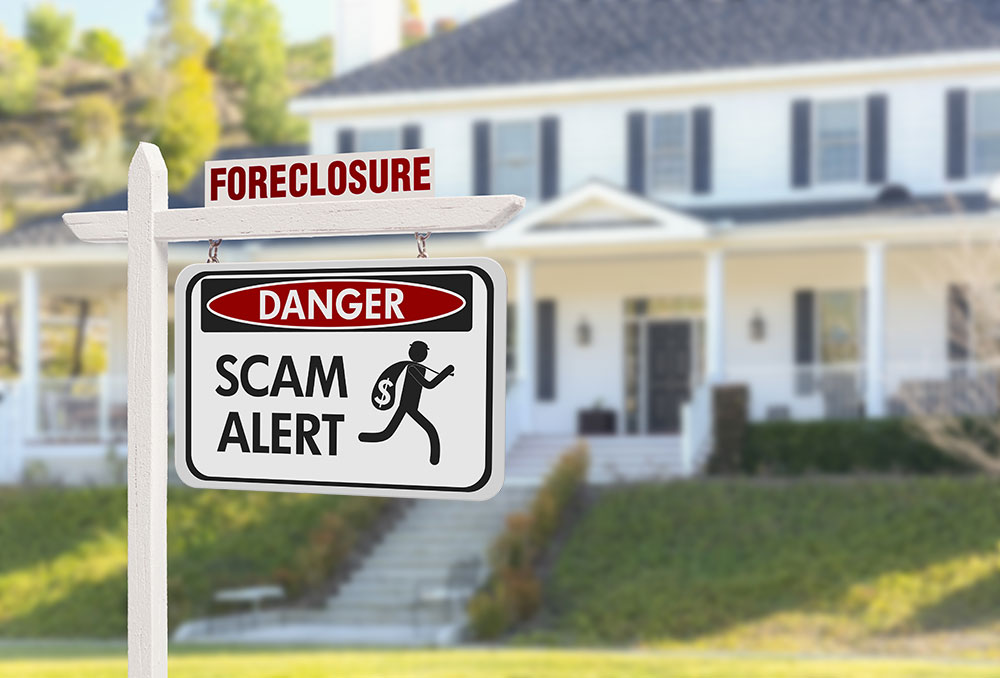
Foreclosure fraud refers to deceptive or illegal practices carried out by individuals or companies that manipulate or exploit the foreclosure process for financial gain. These schemes can involve fraudulent loan modification services, fake foreclosure rescue offers, forged documents, or misrepresentation by parties involved in mortgage servicing. In many cases, scammers target homeowners who are desperate to avoid losing their homes. They promise quick solutions, guaranteed loan modifications, or the ability to stop foreclosure immediately. However, these promises often come with hidden fees, misleading agreements, or requests for sensitive personal information that can worsen the homeowner’s financial situation.
One of the most troubling aspects of foreclosure fraud is how convincing these schemes can appear. Fraudsters often present themselves as legitimate consultants, attorneys, or housing counselors. They may use official-looking paperwork, professional websites, and aggressive marketing tactics to gain trust. Some even claim to have special relationships with lenders or government programs that allow them to negotiate better outcomes for homeowners. In reality, many of these claims are false, and the homeowner may end up paying substantial upfront fees for services that never materialize.
Another common tactic used in foreclosure fraud involves persuading homeowners to sign documents they do not fully understand. These documents may transfer property ownership, authorize third parties to control mortgage payments, or grant power of attorney to individuals who then misuse that authority. Once the homeowner signs such paperwork, reclaiming control of the property can become extremely difficult. In severe cases, the homeowner may discover too late that the property title has been transferred or that additional debts have been placed against the home.
The complexity of the mortgage and foreclosure system can also contribute to the spread of foreclosure fraud. Many homeowners are unfamiliar with legal procedures such as mortgage securitization, assignment of mortgage notes, or the rights lenders must prove before initiating foreclosure. This lack of understanding creates opportunities for fraudsters to misrepresent the situation or offer fake solutions. By exploiting confusion and fear, scammers can persuade homeowners to act quickly without seeking independent legal advice or verifying the legitimacy of the service being offered.
Financial stress also plays a significant role in making homeowners vulnerable to foreclosure fraud. When someone fears losing their home, they may be more willing to trust anyone who claims they can stop foreclosure or negotiate a better payment plan. Fraudsters often pressure homeowners to act immediately, suggesting that delays could result in losing the property. This sense of urgency is a classic manipulation tactic designed to prevent victims from researching the company or consulting qualified professionals.
Recognizing the warning signs of foreclosure fraud is the first step toward protecting yourself and your property. Homeowners should be cautious of anyone who demands upfront fees before providing services, guarantees specific foreclosure outcomes, asks them to sign documents without explanation, or advises them to stop communicating with their lender. Legitimate housing counselors and attorneys typically encourage transparency, documentation review, and direct communication with lenders.
Education and awareness are powerful tools in preventing foreclosure fraud. By learning about the foreclosure process, verifying the credentials of anyone offering assistance, and seeking help from trusted professionals, homeowners can reduce the risk of falling victim to these schemes. As foreclosure-related scams continue to evolve, staying informed about foreclosure fraud and its warning signs can make a crucial difference in safeguarding both your home and your financial future.
Understanding the True Meaning of Foreclosure Fraud
To protect your property and financial future, it is important to understand what foreclosure fraud truly means and how it operates. In simple terms, foreclosure fraud involves deceptive practices designed to manipulate the foreclosure process for financial gain. These schemes may be carried out by individuals posing as foreclosure consultants, dishonest companies claiming to offer rescue services, or even parties involved in the mortgage servicing chain who misrepresent documents or procedures. Because the foreclosure process can be complex and intimidating, homeowners may not immediately recognize when something illegal or unethical is taking place.
Many victims of foreclosure fraud initially believe they are working with legitimate professionals who are trying to help them keep their homes. Fraudsters often use convincing language and official-looking paperwork to create the impression of credibility. They may claim to have inside knowledge of the banking system or special legal strategies that can delay or stop foreclosure. However, their real goal is usually to collect fees, gain control of the property, or extract personal financial information from the homeowner.
In some cases, foreclosure fraud may involve forged mortgage assignments, fabricated documentation, or misrepresentation of the true holder of the mortgage note. When these irregularities occur, homeowners may be forced into foreclosure proceedings initiated by parties that may not even have proper legal authority. Understanding these possibilities helps homeowners recognize why reviewing mortgage documents carefully and seeking professional legal advice can be so important during a foreclosure dispute.
Why Distressed Homeowners Are Often Targeted
Homeowners facing financial hardship are often the primary targets of foreclosure fraud. When individuals fall behind on mortgage payments, they may feel pressure, anxiety, and urgency to find a solution quickly. This emotional vulnerability creates an opportunity for fraudsters who promise quick and easy fixes. By presenting themselves as specialists who can stop foreclosure, scammers take advantage of homeowners who are desperate to protect their property.
Many schemes involving foreclosure fraud begin with aggressive marketing. Homeowners may receive letters, emails, phone calls, or even door-to-door visits from companies claiming they can save the home from foreclosure. These communications often appear official and may include legal-sounding language designed to gain trust. Some scammers monitor public foreclosure notices and contact homeowners shortly after legal proceedings begin, knowing that the homeowner may be actively searching for help.
Another reason distressed homeowners become targets of foreclosure fraud is the lack of familiarity with the foreclosure process itself. Mortgage contracts, legal filings, and loan modification programs can be confusing for anyone without financial or legal training. Fraudsters exploit this confusion by presenting complicated explanations that sound authoritative but are actually misleading. They may also claim that their services are the only way to resolve the situation, discouraging homeowners from seeking independent advice.
Common Schemes Used in Foreclosure Fraud
There are several schemes frequently associated with foreclosure fraud, and recognizing these tactics can help homeowners avoid serious financial harm. One of the most common schemes is the foreclosure rescue scam. In this situation, a fraudster promises to stop foreclosure or negotiate a loan modification in exchange for upfront fees. After receiving payment, the scammer either disappears or provides little to no legitimate assistance.
Another frequent form of foreclosure fraud is the title transfer or “equity skimming” scheme. In this scenario, a homeowner is persuaded to transfer ownership of the property to a third party who promises to manage mortgage payments or refinance the loan. The homeowner may be told they can remain in the home as a tenant until their financial situation improves. Unfortunately, the fraudster often fails to make mortgage payments, allowing the property to fall further into default while collecting rent or extracting additional fees.
Loan modification scams also play a major role in foreclosure fraud. Fraudulent companies may claim they can guarantee a successful loan modification with the lender. They may ask for significant upfront payments while promising to negotiate better terms with the bank. However, many of these companies never contact the lender at all, leaving the homeowner deeper in financial trouble and closer to foreclosure.
Some cases of foreclosure fraud involve fraudulent document preparation. Scammers may file fake legal documents, create forged signatures, or submit inaccurate information to delay foreclosure proceedings. While these actions may temporarily postpone foreclosure, they often create additional legal complications for the homeowner and may result in serious legal consequences.
Warning Signs That May Indicate Foreclosure Fraud
Recognizing early warning signs can help homeowners avoid becoming victims of foreclosure fraud. One major red flag is a demand for large upfront fees before any services are performed. Legitimate housing counselors and legal professionals typically explain their fees clearly and rarely require significant payment before providing assistance.
Another warning sign of foreclosure fraud is a guarantee that foreclosure can be stopped regardless of the homeowner’s financial circumstances. No legitimate professional can guarantee specific outcomes in foreclosure cases because each situation depends on multiple legal and financial factors. When a company promises a guaranteed result, homeowners should approach the offer with extreme caution.
Pressure tactics are also commonly associated with foreclosure fraud. Scammers may urge homeowners to sign documents immediately, claiming that delays will cause them to lose their homes. They may discourage homeowners from contacting their lender or seeking legal advice. Any legitimate assistance provider should encourage homeowners to fully understand documents and explore all available options before signing agreements.
Another potential indicator of foreclosure fraud is a request for homeowners to sign documents they do not understand. Some fraudsters intentionally provide incomplete explanations or conceal important terms within lengthy agreements. Signing documents without proper review can result in loss of property rights, transfer of ownership, or other serious consequences.
Protecting Yourself from Foreclosure Fraud
Preventing foreclosure fraud begins with awareness and careful decision-making. Homeowners should always verify the credentials of anyone offering foreclosure assistance. Checking professional licenses, researching company reputations, and reading independent reviews can help determine whether a service provider is trustworthy.
Another important step in avoiding foreclosure fraud is maintaining direct communication with the mortgage lender. Many lenders offer hardship programs, repayment plans, or loan modifications that can help homeowners resolve financial difficulties. By communicating directly with the lender, homeowners can avoid unnecessary third-party fees and reduce the risk of falling victim to scams.
Seeking advice from qualified legal professionals or certified housing counselors is also a key defense against foreclosure fraud. These professionals can review mortgage documents, explain legal rights, and help homeowners understand their available options. Unlike scammers, legitimate advisors prioritize transparency and provide clear explanations of the foreclosure process.
Homeowners should also keep detailed records of all communications related to their mortgage and foreclosure situation. Maintaining copies of letters, emails, payment records, and legal documents can provide valuable evidence if disputes arise. These records can help identify irregularities and may play an important role in defending against foreclosure fraud if legal action becomes necessary.
The Importance of Staying Informed About Foreclosure Fraud
Knowledge is one of the most effective tools for preventing foreclosure fraud. As foreclosure processes and financial systems become increasingly complex, homeowners must stay informed about potential risks and fraudulent practices. Education empowers homeowners to recognize deceptive tactics, question suspicious offers, and make informed decisions about their property.
Public awareness of foreclosure fraud has grown significantly over the past decade, but many homeowners remain unaware of the variety of schemes that exist. Fraudsters continually adapt their methods, creating new approaches designed to appear legitimate. By staying updated on emerging scams and learning how the foreclosure process works, homeowners can better protect themselves from financial exploitation.
Ultimately, understanding foreclosure fraud is not only about recognizing scams but also about empowering homeowners to safeguard their homes and financial well-being. When homeowners remain vigilant, verify information carefully, and seek guidance from trusted professionals, they significantly reduce the risk of becoming victims of foreclosure fraud.
Conclusion
Understanding the risks associated with foreclosure fraud is essential for every homeowner, especially those facing financial difficulties or the possibility of losing their home. The foreclosure process can be complex, and during stressful times it is easy to trust individuals or companies that promise quick solutions. Unfortunately, many of these promises are part of deceptive schemes designed to exploit vulnerable homeowners. By becoming familiar with how foreclosure fraud works, individuals can better recognize suspicious offers and avoid costly mistakes.
One of the most important steps in preventing foreclosure fraud is staying informed and cautious when seeking assistance. Homeowners should always verify the credentials of anyone offering foreclosure help, carefully review all documents before signing, and avoid paying large upfront fees for services that promise guaranteed results. Maintaining open communication with lenders and consulting qualified legal professionals or certified housing counselors can also provide reliable guidance during difficult financial situations.
Awareness plays a critical role in protecting against foreclosure fraud. When homeowners understand the warning signs and take time to research their options, they significantly reduce the chances of becoming victims of fraudulent schemes. Ultimately, knowledge, caution, and professional guidance are the strongest defenses against foreclosure fraud, helping homeowners safeguard both their property and their financial future.
Unlock Clarity. Strengthen Your Case. Transform Your Client Outcomes
In today’s complex mortgage and litigation landscape, clarity and verified documentation can make the difference between uncertainty and a powerful legal strategy. When your cases demand deeper insight, precise analysis, and credible reporting, partnering with the right forensic audit provider becomes a strategic advantage.
For over four years, Mortgage Audits Online has been helping professional associates build stronger, evidence-backed cases through advanced securitization and forensic mortgage audits. Working exclusively as a business-to-business service provider, the company focuses on supporting attorneys, investigators, and industry professionals who require reliable documentation and defensible analysis. Their specialized reports examine mortgage documentation, securitization pathways, chain-of-title records, and potential compliance issues—turning complex financial data into actionable intelligence that can strengthen negotiations, litigation strategies, and client advocacy.
Every audit is designed with professional use in mind. The goal is not simply to produce reports, but to deliver structured insights that help uncover inconsistencies, highlight potential violations, and provide the factual foundation required for confident decision-making. With experienced analysts and a detailed investigative approach, Mortgage Audits Online equips professionals with the documentation needed to move cases forward with authority and clarity.
When accuracy, documentation, and professional insight matter most, working with a trusted forensic mortgage audit partner can transform uncertainty into strategic direction. Instead of navigating complex mortgage structures alone, gain the analytical depth and investigative support that can strengthen your position and deliver measurable results for your clients.
Take the next step toward stronger case preparation and professional confidence. Connect with Mortgage Audits Online today and equip your practice with the analytical power and credibility your cases deserve.
Mortgage Audits Online
📍 100 Rialto Place, Suite 700
Melbourne, FL 32901
📱 Phone: 877-399-2995
📠 Fax: 877-398-5288
🌐 Visit: https://www.mortgageauditsonline.com/
“Disclaimer Note: This article is for educational & entertainment purposes