
CUSIP Research Securitization and Mortgage Transparency
In today’s complex financial environment, transparency in mortgage ownership and loan transfers has become increasingly important for borrowers, attorneys, and financial professionals. Over the past few decades, many mortgage loans have been bundled, sold, and transferred through securitization processes that can make it difficult to determine who truly owns or services a loan. As a result, individuals often struggle to obtain clear and reliable information about the history and status of their mortgage. This is where Cusip research plays a crucial role in uncovering important details related to mortgage-backed securities and loan securitization.
Cusip research refers to the process of identifying and analyzing the unique CUSIP number assigned to financial instruments such as mortgage-backed securities. A CUSIP number acts as a tracking identifier that helps locate the specific security associated with a mortgage loan within the broader financial market. By examining this identifier, researchers can trace how a mortgage loan may have been packaged, sold, or transferred between financial institutions over time.
Through effective Cusip research, borrowers and professionals can gain deeper insights into securitization structures, investor ownership, and the movement of mortgage assets within the secondary market. This level of transparency is essential when evaluating mortgage documentation, reviewing loan transfers, or addressing legal and financial concerns related to mortgage-backed securities.
Understanding Mortgage Securitization and Financial Complexity
Mortgage securitization has transformed the modern lending industry by allowing financial institutions to convert mortgage loans into marketable securities. In this process, thousands of individual mortgage loans are pooled together and sold to investors as mortgage-backed securities. While this system helps lenders free up capital and expand lending opportunities, it also introduces layers of complexity that can make it difficult to track the true ownership of a mortgage loan. Borrowers often assume that the bank that issued the loan still holds it, but in many cases the loan has already been transferred multiple times in the secondary market.
This is where Cusip research becomes particularly valuable. Each security created through securitization is assigned a unique CUSIP identification number that serves as a financial tracking code. By analyzing this identifier, researchers can determine whether a mortgage loan has been bundled into a mortgage-backed security and sold to investors. Understanding this process helps borrowers and legal professionals gain clarity about loan ownership, servicing rights, and investor relationships that may not be immediately visible through standard mortgage documents.
The Role of CUSIP Numbers in Loan Identification
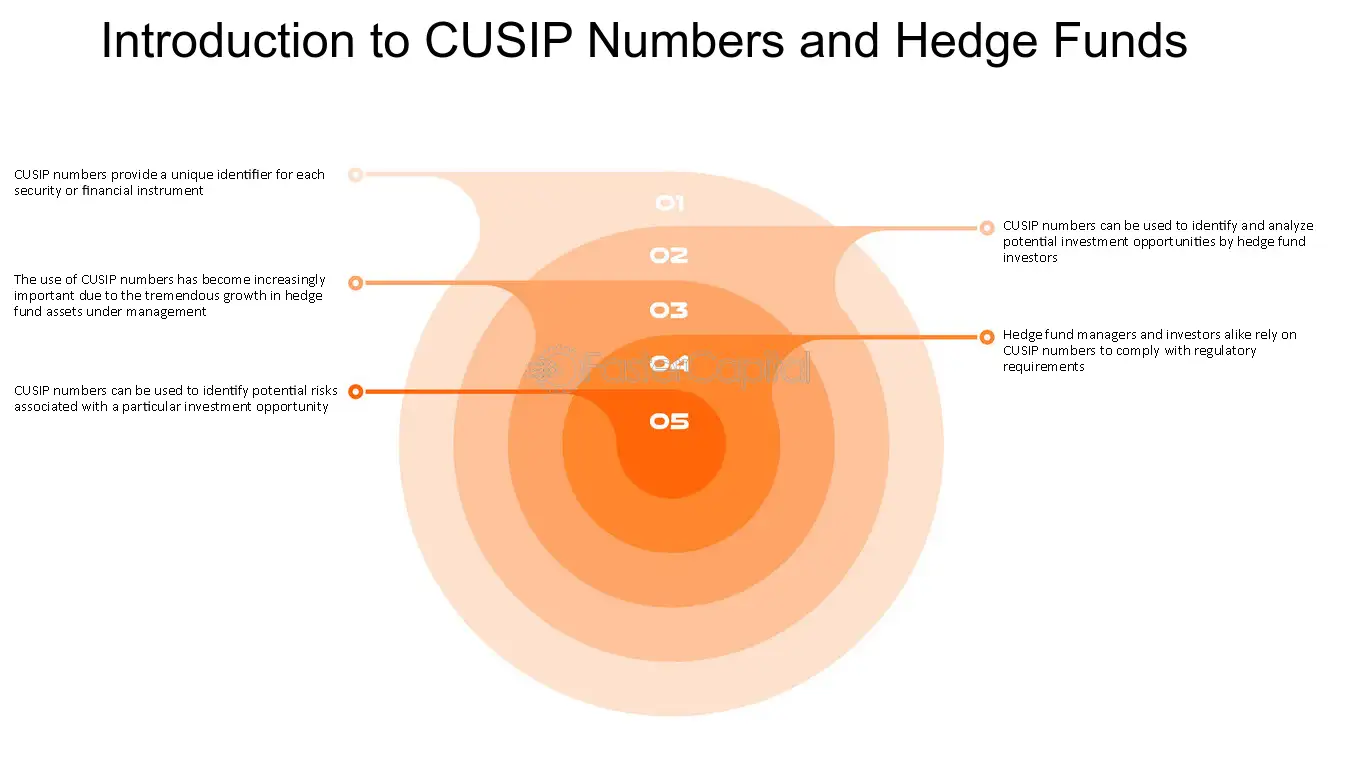
A CUSIP number functions as a unique identifier used across financial markets to track securities and investment instruments. Similar to how a serial number identifies a product, a CUSIP number allows financial professionals to locate and verify specific securities within the marketplace. In the context of mortgage loans, these numbers are associated with mortgage-backed securities that contain pools of home loans.
Through detailed Cusip research, analysts can connect a mortgage loan to the security in which it may have been included. This process involves reviewing securitization records, pooling reports, and financial disclosures associated with the assigned CUSIP number. By examining these records, researchers can identify the trust that holds the mortgage pool, the issuing institution, and the investors involved in the transaction.
Such insights can be extremely useful for borrowers attempting to understand the financial structure surrounding their loan. It also provides attorneys and financial investigators with a clearer view of the chain of ownership that may affect loan servicing, foreclosure proceedings, or mortgage disputes.
How Cusip Research Improves Mortgage Transparency
One of the biggest challenges in the mortgage industry is the lack of transparency surrounding loan transfers and securitization activities. Many loans are transferred between lenders, servicers, and investment trusts multiple times throughout their lifespan. These transfers are not always clearly documented in publicly accessible records, which can create confusion for borrowers seeking accurate information about their mortgage.
By conducting thorough Cusip research, professionals can uncover important details that reveal how a mortgage loan has moved through the financial system. This research helps identify whether a loan has been securitized, which trust or investment pool holds it, and which institutions are responsible for managing the asset.
Greater transparency benefits all parties involved. Borrowers gain a better understanding of who ultimately owns their loan, while legal professionals can evaluate whether loan transfers were properly documented and compliant with financial regulations. Investors also benefit from improved clarity regarding the assets backing their securities.
Practical Value for Borrowers and Financial Professionals
The practical applications of Cusip research extend beyond simple curiosity about mortgage ownership. For borrowers facing loan disputes or foreclosure concerns, understanding the securitization status of a mortgage can provide valuable context when reviewing loan documentation. Accurate information about the securitization chain may reveal inconsistencies or missing records that deserve further review.
Attorneys frequently rely on Cusip research when conducting mortgage investigations or preparing legal strategies related to loan ownership and servicing rights. Financial analysts also use this research to better understand the structure and performance of mortgage-backed securities in the investment market.
In an era where mortgage loans often pass through numerous financial entities, having access to reliable securitization information is increasingly important. By leveraging the insights gained from Cusip research, borrowers and professionals can navigate the complex mortgage landscape with greater confidence, clarity, and informed decision-making.
Conclusion
In an increasingly interconnected financial system, understanding the true structure and ownership of mortgage loans has become more important than ever. Mortgage securitization has created opportunities for lenders and investors, but it has also introduced layers of complexity that can make loan tracking difficult for borrowers and professionals alike. Clear and reliable information is essential for navigating these complexities, and this is where Cusip research plays a vital role.
Through detailed Cusip research, borrowers, attorneys, and financial analysts can trace how mortgage loans may have been packaged into securities and transferred through the secondary market. The CUSIP number acts as a key identifier that links a loan to the financial instruments created during the securitization process. By examining these identifiers and related records, it becomes possible to uncover important insights about loan ownership, securitization structures, and investor involvement.
Ultimately, Cusip research supports greater mortgage transparency by helping individuals understand the movement and documentation of mortgage assets. Whether used for financial analysis, legal review, or general mortgage investigation, this research provides valuable clarity in a complex financial landscape. With accurate information and proper analysis, borrowers and professionals can make more informed decisions regarding mortgage securitization and loan ownership.
Gain the Evidence Advantage with Trusted Securitization Expertise
In today’s complex mortgage and financial landscape, having access to accurate securitization insights can make a significant difference in how effectively you support your clients and strengthen your cases. With the right data, documentation analysis, and forensic review, professionals can uncover critical details that bring clarity to complicated mortgage structures and loan transfers.
For more than four years, Platinum Audits Pro has been supporting legal and financial professionals by delivering high-quality securitization and forensic audit services. As a dedicated business-to-business provider, we work exclusively with attorneys, investigators, consultants, and industry professionals who require reliable research and analysis to build stronger cases. Our experience and specialized approach help our associates uncover valuable insights that support strategic decision-making and improve client outcomes.
Whether you are reviewing mortgage documentation, investigating loan transfers, or strengthening a financial case, our team provides the professional support and expertise you need to move forward with confidence.
Submit a message and set an appointment today to discover how our services can help you gain the clarity and documentation your case deserves.
📧 Email: platinumauditspro@gmail.com
🌐 Visit: https://platinumauditspro.com/
📞 Phone: 877-399-2995
📠 Fax: (877) 398-5288