
Securitization Audit Reports: Why Mortgage Assignment Reviews Matter Before Legal Action
Introduction
For many homeowners, the mortgage process begins with excitement and optimism. Purchasing a home represents stability, financial growth, and the achievement of a lifelong dream. However, years later, unexpected financial challenges, servicing disputes, or foreclosure notices may leave borrowers questioning whether every aspect of their mortgage was handled properly. During these situations, understanding the history of a mortgage loan becomes critically important.
This is where Securitization Audit Reports provide valuable insight. Rather than relying on assumptions, these reports carefully examine the path a mortgage has taken—from the original lender through any transfers, assignments, servicing changes, and securitization activities. They help borrowers, attorneys, financial professionals, and investigators understand whether documentation appears complete, whether ownership records follow expected procedures, and whether loan transfers are properly supported.
In many situations, a Mortgage Signing Compliance Review complements the audit by examining signatures, notarizations, endorsements, recorded assignments, and related mortgage documentation. Together, these evaluations offer a more complete understanding of mortgage records and help identify documentation inconsistencies that may deserve additional legal or professional review.
Likewise, Mortgage Assignment Review Services provide another important layer of analysis by focusing specifically on assignment documents and ownership transfers. Since mortgages are frequently sold or transferred between institutions, ensuring that assignment records are accurate and properly documented can be essential for understanding the complete loan history.
It is important to recognize that these reports are informational tools rather than legal determinations. They do not automatically invalidate a mortgage or guarantee a legal outcome. Instead, they provide organized documentation that helps borrowers and legal professionals make informed decisions based on available records.
This guide explains how securitization audits work, why assignment reviews matter, what information these reports typically contain, and how they may assist borrowers seeking greater transparency into their mortgage history.
Understanding Securitization Audit Reports
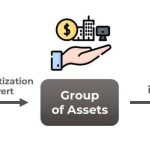
Mortgage loans rarely remain with the original lender throughout their lifetime. Financial institutions commonly sell, transfer, or bundle mortgages into larger investment pools. This process is known as mortgage securitization.
Securitization Audit Reports analyze publicly available records and mortgage documentation to trace the journey of a loan. These reports typically investigate:
- Loan ownership history
- Assignment records
- Mortgage transfers
- Recorded documentation
- Servicing changes
- Trust information when available
- Endorsement history
- Chain of title documentation
- Public recording records
- Document timelines
Rather than offering legal conclusions, these reports organize complex mortgage information into a structured format that is easier to review.
Why Mortgage Documentation Deserves Careful Review
Mortgage documentation often spans many years.
During that time:
- Loans may change servicers several times.
- Ownership interests may transfer repeatedly.
- Assignments may be recorded years after execution.
- Original lenders may merge with larger institutions.
- Investors may acquire mortgage-backed securities.
Because multiple organizations may become involved, documentation can become extensive and difficult to interpret without professional analysis.
A comprehensive review helps clarify:
- Who originated the loan
- Who currently services the loan
- How ownership changed over time
- Whether recorded assignments appear consistent
- Whether documentation follows expected recording sequences
Understanding these details allows borrowers and professionals to better evaluate the mortgage record.
The Role of Mortgage Signing Compliance Review
While ownership history is important, document execution is equally significant.
A Mortgage Signing Compliance Review examines whether mortgage-related documents appear to have been executed according to applicable documentation standards.
This review commonly evaluates:
- Signature consistency
- Notary acknowledgments
- Witness information
- Recording dates
- Assignment execution
- Endorsement placement
- Document formatting
- Public recording information
- Recorded mortgage releases
- Affidavits when applicable
The objective is not to determine fraud but rather to identify documentation issues that may require additional professional evaluation.
Why Assignment Reviews Matter
Mortgage assignments establish how ownership interests transfer from one entity to another.
Because loans may change ownership multiple times, assignment records become an essential part of the mortgage timeline.
Professional Mortgage Assignment Review Services examine:
- Assignment chronology
- Recording information
- Assignment dates
- Assignor information
- Assignee information
- Signature consistency
- Notary details
- Recorded instruments
- County recording references
- Transfer sequencing
Careful assignment analysis helps organize documentation into a logical ownership history.
How Mortgage Securitization Works
Mortgage securitization generally follows several stages.
Loan Origination
The borrower signs mortgage documents with the original lender.
Sale to an Investor
The lender may sell the loan shortly after closing.
Pooling Process
Numerous mortgages are grouped together into a larger financial pool.
Trust Formation
The mortgage pool may become part of a securitized trust.
Mortgage-Backed Securities
Investors purchase securities supported by payments from many mortgage loans.
Throughout this process, documentation is generated that records ownership changes and servicing responsibilities.
Information Commonly Included in Audit Reports
Professional Securitization Audit Reports often include:
- Mortgage summary
- Loan information
- Original lender details
- Borrower information
- Property information
- Assignment history
- Servicer timeline
- Securitization findings
- Public recording data
- Chain of title review
- Mortgage transfer chronology
- Trust research when available
- Document observations
- Supporting public records
The report organizes information into an accessible format for further review.
Benefits of Organized Mortgage Analysis
A professionally prepared audit provides several practical advantages.
Better Understanding
Borrowers gain greater clarity regarding loan history.
Organized Documentation
Rather than searching through numerous records, information is consolidated into one report.
Timeline Development
Chronological organization makes mortgage events easier to understand.
Professional Review
Attorneys and financial professionals often appreciate organized supporting documentation.
Improved Record Management
Comprehensive reports help borrowers maintain accurate mortgage files.
Situations Where Audit Reports May Be Helpful
Although every situation differs, borrowers often request audits when:
- Facing foreclosure proceedings
- Reviewing refinancing history
- Investigating loan ownership
- Preparing for litigation
- Responding to servicing disputes
- Examining assignment history
- Organizing mortgage documentation
- Researching securitization
- Seeking document transparency
- Consulting legal professionals
Common Findings That May Require Further Review
An audit may identify documentation observations such as:
- Assignment timing differences
- Missing recorded documents
- Multiple servicing transfers
- Incomplete ownership chronology
- Recording inconsistencies
- Signature variations
- Notary discrepancies
- Date sequencing questions
- Trust identification issues
- Documentation gaps
These findings do not automatically indicate legal defects but may warrant additional professional evaluation.
The Importance of Accurate Chain of Title
A chain of title reflects the sequence of ownership interests associated with a mortgage.
Proper documentation generally includes:
- Original mortgage
- Recorded assignments
- Ownership transfers
- Servicing updates
- Recorded releases when applicable
A complete chain helps explain how mortgage rights changed over time.
How Attorneys May Use Audit Reports
Legal professionals often appreciate organized documentation because it can:
- Simplify file review
- Reduce document search time
- Identify areas requiring further investigation
- Support legal research
- Assist client consultations
- Organize evidence chronologically
Again, audit reports serve as informational resources rather than legal opinions.
Choosing Professional Mortgage Assignment Review Services
Not every mortgage review provider offers the same level of detail.
Consider providers that offer:
- Comprehensive documentation analysis
- Public record research
- Detailed timelines
- Organized reporting
- Clear explanations
- Professional formatting
- Responsive customer support
- Experience with mortgage documentation
- Transparent methodology
Quality reporting improves understanding while supporting informed decision-making.
Common Misconceptions About Mortgage Audits
Myth 1: An Audit Automatically Stops Foreclosure
An audit alone does not stop legal proceedings.
Myth 2: Every Loan Contains Errors
Many mortgage files are properly documented.
Myth 3: Securitization Makes a Mortgage Invalid
Mortgage securitization itself does not invalidate a loan.
Myth 4: Assignment Reviews Replace Legal Advice
Professional legal guidance remains essential for legal matters.
Myth 5: Audit Reports Guarantee Court Success
Reports provide information—not guaranteed legal outcomes.
Best Practices for Borrowers
If you are considering a mortgage audit:
- Gather your mortgage documents.
- Keep servicing correspondence.
- Save payment records.
- Request copies of recorded assignments.
- Maintain organized files.
- Consult qualified legal professionals when necessary.
- Review audit findings carefully.
- Ask questions about unclear documentation.
- Verify public records independently when appropriate.
Frequently Asked Questions
What are Securitization Audit Reports?
They are informational reports that analyze mortgage ownership history, assignments, servicing transfers, and securitization records using available documentation and public records.
What is a Mortgage Signing Compliance Review?
It is a detailed examination of mortgage-related signatures, notarizations, assignments, endorsements, and related documentation to identify potential inconsistencies requiring further review.
Why are Mortgage Assignment Review Services important?
Assignment reviews help organize ownership transfers, verify recorded assignments, and clarify the mortgage timeline for borrowers and professionals.
Can an audit determine legal rights?
No. Audit reports provide organized information and observations. Legal conclusions should be made only by qualified attorneys.
Who benefits from mortgage audits?
Borrowers, attorneys, financial professionals, investigators, foreclosure consultants, and anyone seeking a clearer understanding of mortgage documentation.
Practical Tips Before Ordering an Audit
To maximize the usefulness of your report:
- Collect your mortgage note, deed of trust or mortgage, payment history, and servicing correspondence.
- Organize documents by date to create an accurate timeline.
- Make note of any changes in loan servicers or lenders over the years.
- Keep copies of notices related to assignments or transfers.
- Share all available documents with your legal or financial advisor when reviewing the completed audit.
- Use the report as an informational resource alongside professional legal or financial guidance.
Conclusion
Mortgage documentation can become increasingly complex as loans change ownership, servicing rights are transferred, and financial institutions merge or reorganize. Understanding these changes is not always straightforward, especially for borrowers who have held their mortgage for many years. Securitization Audit Reports provide a structured way to organize this information by tracing loan ownership, reviewing publicly available records, and presenting the mortgage history in a clear and understandable format.
When combined with a Mortgage Signing Compliance Review, borrowers gain additional insight into how mortgage documents were executed, recorded, and transferred. Likewise, Mortgage Assignment Review Services help clarify assignment history and ownership transitions, making it easier to identify documentation that may deserve additional professional attention. These services are intended to support informed decision-making and should be viewed as informational tools rather than substitutes for legal advice or guarantees of a particular outcome.
Whether you are reviewing your mortgage records, preparing for discussions with an attorney, researching loan transfers, or simply seeking greater transparency, a comprehensive mortgage audit can provide valuable organization and clarity. Having well-structured documentation allows borrowers and professionals to better understand the history of a loan and make more informed decisions based on the available evidence.
Gain Greater Clarity About Your Mortgage Records
If you want a professional review of your mortgage documentation, ownership history, and assignment records, the experienced team at Securitization Audit Pro can help. Their comprehensive audit services are designed to provide organized, research-based reports that help borrowers and legal professionals better understand mortgage documentation and loan history.
Visit https://www.securitizationauditpro.com to learn more about their audit solutions, request additional information, and explore services tailored to your mortgage documentation needs.