
Legal Strategies to Fight Foreclosure Fraud and Protect Your Property
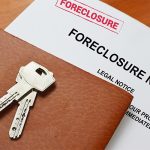
Foreclosure Fraud has become a serious concern for homeowners facing financial distress, legal uncertainty, and aggressive lender actions. In many cases, borrowers assume that once a foreclosure notice is issued, they have little power to challenge the process. However, that is far from the truth. When mortgage documents contain inconsistencies, servicing records are inaccurate, assignments are questionable, or lenders fail to follow proper legal procedures, homeowners may have strong grounds to dispute the action. Understanding the warning signs of foreclosure fraud is the first step toward protecting your rights, preserving your home, and building a more effective legal defense.
The foreclosure process is supposed to follow strict legal standards, but errors and misconduct can and do occur. These issues may include forged signatures, robo-signed documents, improper loan transfers, missing assignments, inflated fees, misapplied payments, or false claims regarding default status. In some situations, homeowners are pushed into foreclosure even while actively seeking loan modifications or while payments are being negotiated. Such practices can create confusion, emotional stress, and significant financial harm. That is why recognizing potential foreclosure fraud is so important for property owners who want to defend themselves with confidence and clarity.
Legal strategies to fight these practices often begin with a careful review of the mortgage chain, payment history, servicing records, notices of default, and all foreclosure-related filings. Attorneys and forensic analysts may look for violations of federal lending laws, state foreclosure procedures, consumer protection statutes, and contractual obligations. If evidence reveals document irregularities or unlawful servicing conduct, these findings may be used to challenge standing, dispute the amount claimed, delay proceedings, negotiate better terms, or even seek dismissal in certain cases. A detailed investigation into foreclosure fraud can uncover facts that may otherwise remain hidden until it is too late.
For homeowners, one of the most important things to remember is that foreclosure defense is not only about reacting to notices. It is also about being proactive, organized, and informed. Keeping copies of payment records, correspondence, modification applications, notices, and loan statements can make a major difference when building a defense. Even small discrepancies may support larger legal arguments if they show a pattern of lender misconduct or procedural abuse. Because foreclosure fraud often involves technical paperwork and layered transactions, professional analysis is frequently necessary to identify weaknesses in the foreclosing party’s claim.
Another important factor is timing. Many legal defenses are strongest when raised early in the foreclosure process. Waiting too long can reduce available options and increase the risk of losing important rights. Homeowners who suspect foreclosure fraud should act quickly to review their case, understand the evidence, and determine whether the foreclosure has been initiated lawfully. With the right legal strategy, it may be possible to challenge false representations, expose improper practices, and create meaningful leverage in court or settlement discussions.
Ultimately, fighting foreclosure fraud is about more than defending a property. It is about protecting due process, financial stability, and the homeowner’s legal rights. A strong defense begins with knowledge, documentation, and a careful examination of the facts. When the foreclosure process is tainted by deception, inaccuracies, or unlawful conduct, homeowners may have more options than they realize. By understanding the legal strategies available and taking action at the right time, property owners can place themselves in a stronger position to resist unfair foreclosure practices and protect what matters most.
Understanding How Foreclosure Fraud Enters the Process
One of the most important realities homeowners must understand is that foreclosure fraud does not always appear in an obvious or dramatic form. In many cases, it enters the process through paperwork irregularities, servicing errors, misleading notices, or legal filings that appear valid on the surface but contain serious defects underneath. A homeowner may receive a notice of default, a demand letter, or a foreclosure complaint and assume that the lender has already verified every fact. Yet the foreclosure system often depends on records created and transferred across multiple entities, including originators, servicers, trustees, document custodians, and law firms. When those records are inaccurate, incomplete, or improperly executed, the entire foreclosure action may be compromised.
This is why careful document review matters so much. Mortgage loans are frequently sold, transferred, pooled, and serviced by different parties over time. Each transfer should be supported by lawful documentation and a clear chain of title. If assignments are prepared late, signed by individuals without authority, or filed only to support litigation, these facts may raise major questions. Foreclosure fraud often becomes visible when the foreclosing party cannot clearly prove its legal right to enforce the debt or when the documents relied upon contain conflicting dates, signatures, and notarial details. These defects are not always minor technicalities. They can go directly to the credibility and legality of the foreclosure claim.
Identifying Red Flags That May Support a Defense
Homeowners and legal professionals should look closely for warning signs that may indicate deeper problems in the file. These may include unexplained charges, payment records that do not match bank statements, notices sent with inaccurate balances, missing endorsements on promissory notes, or assignments recorded shortly before the foreclosure case begins. Another common issue is the dual-track problem, where a borrower is simultaneously reviewed for loss mitigation while foreclosure continues in the background. This creates confusion and can place homeowners in an unfair position, especially when they are led to believe a resolution is still being considered.
Other red flags may involve affidavits signed without personal knowledge, mass-produced documents, inconsistent loan ownership records, or legal claims based on incomplete file histories. In many disputed cases, foreclosure fraud is not based on one single act but on a pattern of irregular conduct that undermines the fairness of the proceedings. When these warning signs are identified early, they may support challenges to standing, notice requirements, accounting accuracy, or the lender’s compliance with contractual and statutory obligations. The key is to understand that every discrepancy may serve as part of a larger legal picture.
Building a Legal Strategy Around Evidence and Procedure
A strong foreclosure defense is never based on emotion alone. Courts respond to facts, timelines, records, and legal arguments supported by evidence. That means homeowners who suspect foreclosure fraud should focus on gathering every document connected to the loan and the foreclosure timeline. This includes the promissory note, mortgage or deed of trust, payment history, escrow statements, modification correspondence, default notices, reinstatement quotes, assignment records, and all court filings. Each document may help reveal whether the foreclosing party followed the law or cut corners in a way that harmed the borrower.
Legal strategy often begins by comparing what the lender claims with what the file actually shows. If the servicer alleges missed payments, the borrower’s records may show timely payments that were misapplied or placed in suspense. If the foreclosing party claims ownership of the debt, recorded assignments and endorsements must support that claim. If notice requirements apply under the mortgage contract or state law, strict compliance may be necessary before foreclosure can move forward. Cases involving foreclosure fraud frequently depend on exposing these gaps between claim and proof. Once those gaps are identified, attorneys can use them to file objections, motions, discovery demands, affirmative defenses, or counterclaims when appropriate.
The Role of Forensic Review in Foreclosure Defense
In complex cases, a forensic review can be one of the most valuable tools available. This type of analysis goes beyond a casual reading of documents and examines the structure, sequence, authenticity, and legal significance of the records involved. A forensic review may uncover fabricated assignments, signature inconsistencies, unauthorized notarizations, servicing abuses, improper fee assessments, and missing transfers in the loan chain. It may also reveal whether the foreclosing entity lacks sufficient documentation to prove standing or whether the records were created only after litigation began.
This deeper investigation matters because foreclosure fraud often hides behind volume and complexity. Lenders and servicers may rely on the assumption that borrowers will not have the resources or knowledge to challenge them. But once a file is professionally reviewed, serious weaknesses may come to light. Those weaknesses can strengthen settlement leverage, support litigation strategy, and in some cases disrupt the momentum of the foreclosure itself. For homeowners trying to protect their property, the ability to present documented findings rather than general suspicion can make a substantial difference in the outcome.
Using Consumer Protection Laws to Challenge Misconduct
Foreclosure defense may also involve more than just mortgage law. In many situations, federal and state consumer protection statutes provide important avenues for relief. Servicing misconduct, deceptive collection practices, misrepresentation of loan status, failure to properly respond to borrower requests, and unlawful fee practices may all create additional legal exposure for the party pursuing foreclosure. When foreclosure fraud overlaps with unfair or deceptive practices, the homeowner’s defense may become stronger because the dispute is no longer limited to payment default alone.
These legal protections are especially important where borrowers were misled during loan modification efforts, given inaccurate reinstatement figures, or pressured through false communications. A foreclosure case built on unreliable or deceptive conduct may be vulnerable not only on procedural grounds but also under broader consumer rights frameworks. That is why legal counsel often evaluates the case from multiple angles rather than treating it as a simple dispute over missed payments. In many contested matters, foreclosure fraud is part of a larger system of servicing failures and document abuse that deserves close legal scrutiny.
Protecting Your Property Through Timely and Informed Action
The most effective response to foreclosure risk is informed action taken at the earliest possible stage. Homeowners should never assume that a notice is automatically correct or that they have no power to respond. The sooner suspicious records are reviewed, the more opportunities may exist to challenge the process, negotiate from strength, and prevent avoidable loss. Delays can limit strategic options, while early investigation can preserve defenses that might otherwise be waived.
Protecting property rights requires persistence, organization, and a clear understanding of what the foreclosing party must prove. When homeowners and their legal teams approach the case with discipline, documentation, and a focused strategy, foreclosure fraud can be exposed rather than ignored. That exposure may open the door to stronger defenses, more effective negotiations, and a better chance of protecting the home from an unlawful or unsupported foreclosure action.
In conclusion, foreclosure fraud is a serious issue that can threaten not only a homeowner’s property but also their financial security, legal rights, and peace of mind. What may appear to be a routine foreclosure action can sometimes involve defective documents, improper loan transfers, inaccurate payment records, unlawful servicing conduct, or misleading legal claims. That is why homeowners must never ignore the warning signs. Identifying foreclosure fraud early can make a meaningful difference in how a case is challenged and resolved.
A strong defense begins with knowledge, careful documentation, and timely legal review. When borrowers examine the loan history, question inconsistencies, and seek professional analysis, they place themselves in a stronger position to expose misconduct and defend their property. In many cases, evidence of foreclosure fraud can support legal challenges, delay wrongful action, improve settlement leverage, or even stop a flawed foreclosure from moving forward.
Ultimately, fighting foreclosure fraud is about protecting due process and ensuring that lenders and servicers are held accountable to the law. With the right strategy, informed action, and a commitment to uncovering the truth, homeowners can better protect their homes, preserve their rights, and respond with confidence when facing unfair foreclosure practices.
Build Stronger Cases with Trusted Forensic Mortgage Analysis
For more than four years, Mortgage Audits Online has been helping associates develop stronger, more informed cases through detailed securitization reviews and forensic mortgage audits. As an exclusively business-to-business provider, we are committed to supporting professionals who need credible documentation, deeper loan analysis, and strategic insight to move forward with confidence.
When case clarity matters, the right audit partner can make all the difference. Our work is designed to help uncover critical details, organize complex loan histories, and provide the professional support needed to strengthen case preparation. With reliable forensic analysis and securitization expertise, your team can approach each matter with greater precision, stronger documentation, and a clearer path ahead.
Partner with Mortgage Audits Online and bring added depth, credibility, and value to every file you handle. Give your clients the advantage of informed case development backed by experience, accuracy, and professional insight.
Mortgage Audits Online
100 Rialto Place, Suite 700
Melbourne, FL 32901
Phone: 877-399-2995
Fax: 877-398-5288
Visit: https://www.mortgageauditsonline.com/
“Disclaimer Note: This article is for educational & entertainment purposes