
How Experts Use Securitization and Foreclosure Defense to Strengthen Mortgage Disputes
The modern mortgage industry operates through complex financial systems that many homeowners and even some professionals struggle to fully understand. Behind most residential mortgages lies a sophisticated network of financial transactions, transfers, and bundled investments known as mortgage securitization. When disputes arise—especially in foreclosure situations—understanding these financial structures becomes essential. This is where Securitization and Foreclosure Defense plays a powerful role. By examining how loans were originated, transferred, and securitized, experts can uncover critical evidence that may strengthen a borrower’s defense and reveal procedural or documentation issues within the mortgage chain.
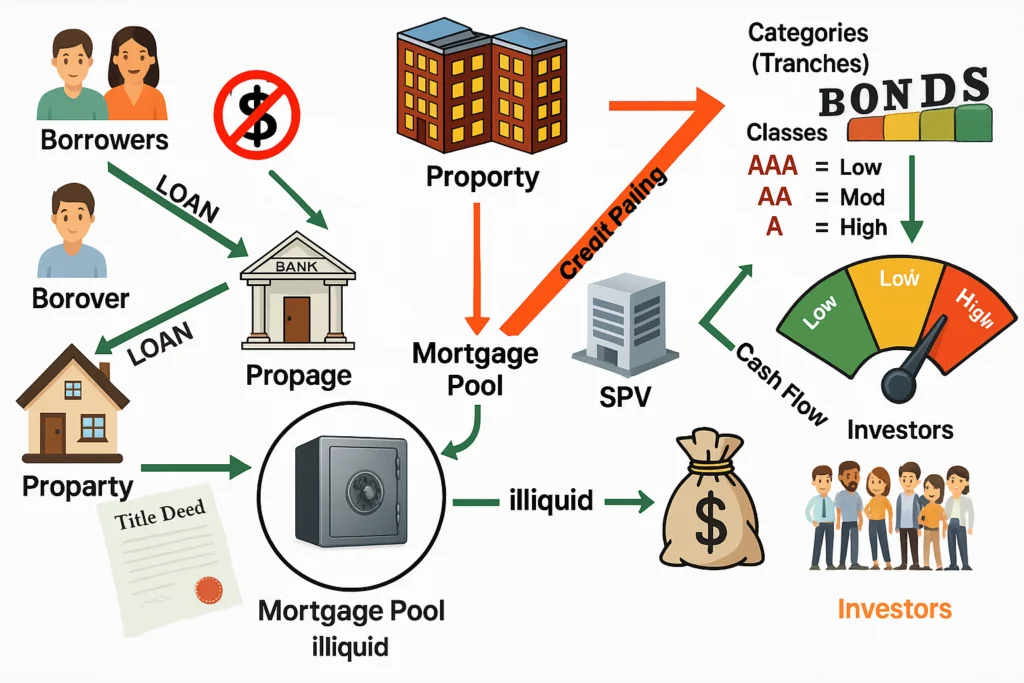
In recent decades, mortgage securitization has become a dominant practice in global financial markets. Banks and lenders often bundle thousands of home loans into mortgage-backed securities that are then sold to investors. While this process provides liquidity to financial institutions, it can also create layers of complexity regarding who actually owns the loan and whether all legal requirements were properly followed during the transfer of ownership. When foreclosure proceedings begin, these complexities sometimes surface as inconsistencies or missing documentation. Professionals specializing in Securitization and Foreclosure Defense analyze these issues in detail to determine whether the party initiating foreclosure has the legal authority and documentation required to do so.
A strong foreclosure defense often depends on the careful review of mortgage documents, servicing records, and securitization filings. Experts in Securitization and Foreclosure Defense conduct forensic audits that trace the life of a loan from origination to its current holder. This process can reveal irregularities such as gaps in the chain of title, improper assignments, or violations of pooling and servicing agreements. These findings may become critical elements in legal arguments, helping attorneys challenge the validity of the foreclosure or demand stricter proof from the lender. The goal is not simply to delay proceedings, but to ensure that all legal and contractual standards have been met before a homeowner loses their property.
Another important aspect of Securitization and Foreclosure Defense is the interpretation of financial documentation and regulatory filings. Mortgage-backed securities often require strict compliance with trust agreements and federal financial regulations. If a loan was transferred incorrectly into a trust or outside the permitted timeframe, questions may arise about whether the trust actually owns the loan. Specialists who understand securitization structures analyze these filings and compare them with the borrower’s loan documents to identify discrepancies that may affect the enforceability of the mortgage. For legal professionals handling foreclosure cases, this information can provide valuable insight into potential defenses.
Legal teams increasingly rely on experts in Securitization and Foreclosure Defense to provide detailed reports, documentation analysis, and expert testimony. These specialists combine financial knowledge with legal awareness, allowing them to interpret complex mortgage transactions and present their findings in a way that supports courtroom arguments. Their work often involves reviewing mortgage notes, assignments, endorsements, and trust filings to determine whether the documentation aligns with the securitization process described by the lender. In many cases, the insights gained from these investigations help attorneys develop stronger litigation strategies or negotiate more favorable outcomes for their clients.
In today’s complex mortgage landscape, knowledge is one of the most powerful tools available in foreclosure litigation. The strategic use of Securitization and Foreclosure Defense allows professionals to examine the underlying financial structures of mortgage loans and identify issues that may otherwise remain hidden. By combining forensic auditing, legal analysis, and a deep understanding of securitized loan structures, experts provide critical support in mortgage disputes. For attorneys and professionals working in foreclosure defense, this specialized approach can reveal important details that strengthen arguments, protect borrower rights, and ensure that the foreclosure process follows proper legal standards.
Understanding the Foundations of Mortgage Securitization
Mortgage lending has evolved dramatically over the past few decades, transforming from a straightforward lender-borrower relationship into a complex financial system involving multiple parties. In this system, loans are often bundled together and converted into financial instruments known as mortgage-backed securities. Investors purchase these securities, and the payments made by homeowners are distributed among them. While this structure provides liquidity to lenders and keeps credit flowing in the housing market, it also creates a complicated chain of ownership that can become difficult to track when disputes arise. This complexity is precisely why Securitization and Foreclosure Defense has become an essential area of expertise in mortgage litigation.
In traditional lending models, the bank that originated the loan usually retained ownership and serviced the mortgage throughout its life. However, securitization separates these roles among various institutions such as originators, servicers, trustees, and investors. When a loan is transferred multiple times between these entities, documentation must follow strict legal procedures. If any step in that chain is incomplete or improperly recorded, questions can arise about the true ownership of the loan. Professionals specializing in Securitization and Foreclosure Defense carefully analyze these chains of transfer to determine whether the party seeking foreclosure has the lawful authority to enforce the mortgage.
Understanding the structure of securitized mortgages also helps legal professionals identify procedural inconsistencies. In many cases, loans are transferred into trusts governed by detailed pooling and servicing agreements. These agreements specify exactly how and when loans must be transferred into the trust. When foreclosure actions occur years later, discrepancies between the trust documentation and the borrower’s loan records may surface. Through detailed analysis, experts using Securitization and Foreclosure Defense techniques can uncover these inconsistencies and provide valuable information that attorneys can use when evaluating a case.
Forensic Loan Audits as a Critical Investigation Tool
A key component of effective mortgage dispute analysis is the forensic loan audit. This process involves reviewing every available document associated with a mortgage loan, including the promissory note, mortgage or deed of trust, payment history, assignments, and servicing records. The purpose is to reconstruct the life of the loan and verify that every transaction complies with legal and contractual requirements. Within the framework of Securitization and Foreclosure Defense, forensic audits provide a detailed roadmap that helps legal professionals understand exactly how a loan was handled over time.
During a forensic audit, experts examine whether the mortgage note was properly endorsed, whether assignments were executed correctly, and whether transfers occurred within the required timeframe established by securitization agreements. Even small irregularities can raise significant legal questions. For example, if an assignment was executed years after a trust closed, it may conflict with the trust’s governing documents. Specialists working in Securitization and Foreclosure Defense identify these types of discrepancies and present them in structured reports that attorneys can analyze when preparing a legal strategy.
Another important element of forensic auditing involves reviewing the payment history and servicing activity associated with the loan. Servicers are responsible for collecting payments, managing escrow accounts, and communicating with borrowers. Errors in servicing records can sometimes reveal misapplied payments or incorrect accounting practices. By evaluating these records, professionals involved in Securitization and Foreclosure Defense help determine whether the loan balance and default status were calculated correctly, which can be crucial in foreclosure proceedings.
Legal Strategies Built on Securitization Analysis
The insights gained through securitization analysis and forensic auditing often form the foundation of legal strategies in mortgage disputes. Attorneys rely on the findings produced through Securitization and Foreclosure Defense investigations to assess whether the documentation supporting a foreclosure claim meets the required legal standards. If inconsistencies appear in the chain of title or loan transfers, those issues may become central points in litigation.
One common strategy involves challenging the standing of the party initiating foreclosure. In legal terms, standing refers to the authority of a party to bring a claim before the court. If the entity seeking foreclosure cannot demonstrate proper ownership of the loan or possession of the promissory note, the case may face additional scrutiny. Experts in Securitization and Foreclosure Defense provide documentation analysis that helps attorneys determine whether such challenges are appropriate.
Another strategy focuses on verifying compliance with securitization trust agreements. Mortgage trusts are governed by strict rules that define how loans must be transferred and documented. If a loan appears to have been transferred improperly or outside the allowed timeframe, attorneys may question whether the trust actually owns the loan. Detailed research conducted through Securitization and Foreclosure Defense often highlights these issues, giving legal teams valuable information when building their arguments.
Additionally, securitization analysis can support negotiation strategies outside the courtroom. When documentation issues or servicing errors are identified, lenders and servicers may become more willing to discuss settlement options or loan modifications. In this way, Securitization and Foreclosure Defense can influence both litigation and negotiation outcomes.
The Role of Expert Analysis in Mortgage Litigation
Mortgage litigation frequently involves technical financial structures and legal documentation that can be difficult for courts and attorneys to interpret without specialized assistance. Experts trained in Securitization and Foreclosure Defense bridge this gap by translating complex financial transactions into clear, understandable findings. Their work often includes preparing detailed reports, explaining securitization structures, and assisting attorneys in understanding how mortgage transfers occurred.
These experts examine a wide range of materials, including securitization filings, trust agreements, loan assignments, and public records. By comparing these documents, they can identify whether the loan followed the procedures required by securitization structures. Their findings often highlight irregularities that may otherwise remain hidden within thousands of pages of financial documentation. Through careful research and analysis, Securitization and Foreclosure Defense professionals provide insights that help legal teams evaluate the strengths and weaknesses of a foreclosure case.
Expert testimony can also play a role in court proceedings. When complex financial systems are involved, judges may rely on specialists to explain how securitized mortgages operate and whether certain procedures were followed correctly. Professionals experienced in Securitization and Foreclosure Defense may present their analysis in a clear and structured manner, helping courts understand the significance of documentation discrepancies or securitization violations.
As the mortgage industry continues to rely heavily on securitization, the importance of specialized analysis in foreclosure disputes continues to grow. Legal professionals increasingly recognize that understanding the financial structure behind mortgage loans is essential when evaluating foreclosure claims. By combining financial expertise, legal awareness, and detailed forensic analysis, Securitization and Foreclosure Defense provides a powerful framework for examining mortgage disputes and ensuring that foreclosure actions follow proper legal procedures.
Conclusion
Strengthening Mortgage Litigation Through Strategic Financial Analysis
In today’s complex lending environment, mortgage disputes often involve far more than a simple borrower–lender disagreement. Behind many foreclosure cases lies a network of loan transfers, securitization structures, servicing activities, and legal documentation that must all comply with strict financial and legal standards. This is where Securitization and Foreclosure Defense becomes a vital resource for attorneys and professionals working to evaluate the legitimacy of foreclosure claims. By carefully examining loan histories, securitization filings, and assignment records, experts can uncover discrepancies that may otherwise remain hidden within complex financial transactions.
The strategic use of Securitization and Foreclosure Defense allows legal teams to look deeper into the chain of ownership and determine whether the party initiating foreclosure truly has the authority to enforce the loan. Through forensic audits, document analysis, and expert interpretation of mortgage-backed securities structures, professionals can identify gaps, inconsistencies, or procedural errors that may influence the outcome of a case.
Ultimately, Securitization and Foreclosure Defense strengthens mortgage litigation by providing clarity and evidence-based insights. For attorneys, forensic auditors, and legal professionals, this specialized approach offers a powerful way to analyze complex mortgage structures, support legal arguments, and ensure that foreclosure proceedings follow the proper legal and financial framework required under the law.
Turn Insight Into Stronger Mortgage Litigation Results
When mortgage disputes become complex and documentation determines the strength of a case, the right analytical partner can make all the difference. For over four years, Mortgage Audits Online has been helping professional associates build stronger, evidence-based cases through detailed securitization reviews and forensic mortgage audits designed specifically for industry professionals.
Working exclusively as a business-to-business provider, our services are designed for attorneys, consultants, investigators, and financial professionals who require precise mortgage analysis and reliable documentation. Our forensic audit reports examine loan files, securitization pathways, chain-of-title transfers, and compliance issues to uncover critical information that can support litigation strategy, negotiation preparation, and case evaluation.
With decades of combined experience in banking, underwriting, accounting, securitization analysis, and mortgage documentation, our team delivers structured reports that transform complex loan data into clear, actionable insights. The result is more than an audit—it’s a strategic resource designed to strengthen your professional analysis and enhance the credibility of your case preparation.
When clarity, documentation, and professional insight matter most, partnering with the right forensic mortgage audit provider can turn uncertainty into a strategic advantage.
Connect with Mortgage Audits Online today and equip your cases with the depth of analysis and credibility they deserve.
📍 Mortgage Audits Online
100 Rialto Place, Suite 700
Melbourne, FL 32901
📱 Phone: 877-399-2995
📠 Fax: 877-398-5288
🌐 Visit: https://www.mortgageauditsonline.com/
“Disclaimer Note: This article is for educational & entertainment purposes