
Home Loan Securitization Fraud: Why Transparency in Mortgage Lending Is Critical
The global mortgage industry has evolved rapidly over the past few decades, introducing complex financial structures designed to increase liquidity and expand access to housing finance. Among these innovations, the securitization of home loans has become one of the most influential mechanisms in modern banking. While securitization can provide benefits such as improved capital flow and broader lending opportunities, it has also created new layers of opacity within the mortgage system. This lack of transparency has opened the door to serious concerns about home loan securitization fraud, a problem that continues to affect borrowers, investors, and financial institutions worldwide.
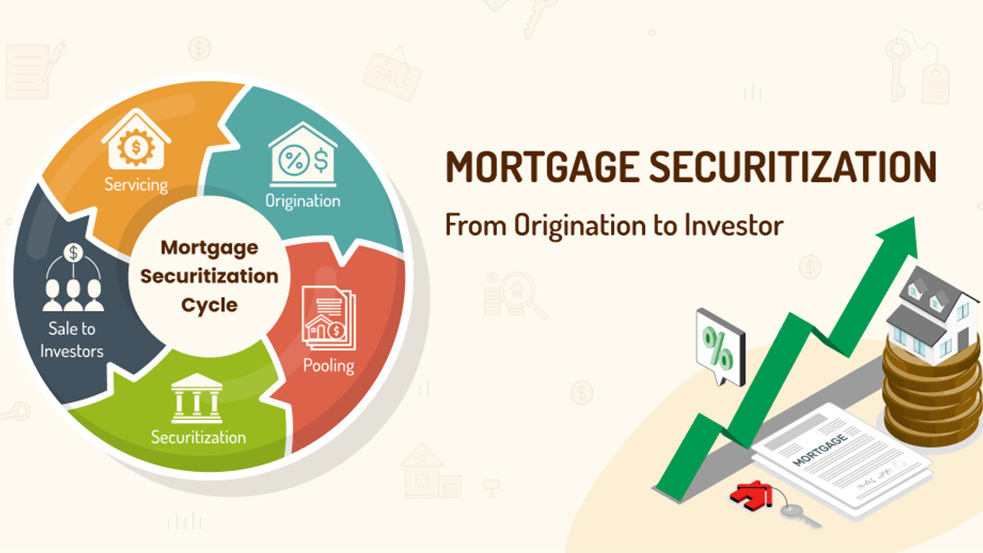
In simple terms, securitization involves bundling multiple home loans together and selling them as investment products in the financial markets. Financial institutions convert mortgage payments into tradable securities that investors can purchase. Ideally, this system distributes risk and generates capital for additional lending. However, when the process is poorly documented or intentionally manipulated, it can lead to irregularities that undermine the legitimacy of the entire lending structure. In many cases, borrowers are unaware that their mortgages have been transferred multiple times through securitization chains, often without proper disclosure or documentation.
The issue of home loan securitization fraud became widely recognized during the global financial crisis of 2007–2008, when millions of homeowners faced foreclosure while investors suffered massive losses. Investigations revealed that many mortgage-backed securities were supported by questionable documentation, inaccurate loan records, or improperly transferred mortgage rights. These systemic weaknesses demonstrated how the securitization process, when mismanaged, could distort the true ownership and enforceability of mortgage loans. Financial institutions, servicers, and intermediaries sometimes failed to maintain clear chains of title, creating legal confusion about who actually owned the debt.
One of the most troubling aspects of home loan securitization fraud is the breakdown in transparency between lenders, investors, and borrowers. Homeowners typically sign loan agreements with a bank or lending institution, assuming that this entity will remain responsible for the loan throughout its life. In reality, many loans are quickly sold, transferred, and repackaged into complex securities traded across global markets. These transactions often occur behind the scenes, leaving borrowers with limited knowledge about who ultimately controls their mortgage. When disputes arise—particularly during foreclosure proceedings—the lack of clear documentation can raise significant legal challenges.
Transparency in mortgage lending is therefore not simply a matter of financial efficiency; it is a matter of trust and accountability within the housing finance system. Without clear reporting and proper documentation, the securitization process can conceal irregularities that may disadvantage borrowers or mislead investors. Regulators and legal experts increasingly emphasize the importance of robust auditing procedures, accurate loan transfer records, and strict compliance with lending regulations. These safeguards are essential for identifying and preventing home loan securitization fraud, ensuring that mortgage transactions remain legitimate and enforceable.
Another critical concern involves the role of mortgage servicers and trustees who manage securitized loan pools. These entities are responsible for collecting payments, maintaining records, and enforcing loan terms on behalf of investors. When oversight is weak or documentation practices are inconsistent, the risk of administrative errors or intentional manipulation increases. In such situations, borrowers may encounter conflicting claims about loan ownership, improper foreclosure actions, or unexplained changes in loan servicing. These complications illustrate how vulnerabilities within the securitization framework can directly affect homeowners.
As mortgage markets continue to expand globally, the need for greater transparency has become increasingly urgent. Governments, financial regulators, and consumer advocacy groups are working to strengthen disclosure requirements and improve oversight of securitized mortgage products. By addressing the structural weaknesses that enable home loan securitization fraud, policymakers aim to restore confidence in the mortgage lending system while protecting both borrowers and investors.
Ultimately, the stability of the housing finance system depends on transparency, accountability, and proper documentation. When these principles are compromised, the consequences can extend far beyond individual borrowers, affecting entire financial markets. Understanding the risks associated with home loan securitization fraud is therefore essential for anyone involved in mortgage lending, legal practice, or financial oversight. Only through greater transparency and stronger regulatory frameworks can the mortgage industry ensure fairness, maintain public trust, and prevent future financial disruptions.
The Evolution of Mortgage Securitization and Its Structural Complexity
Mortgage securitization was originally introduced as a financial innovation designed to expand the availability of home loans and improve liquidity in the banking system. By converting individual mortgages into tradable securities, financial institutions could sell these instruments to investors and free up capital to issue additional loans. While this system helped stimulate housing markets and broaden access to credit, it also introduced complex layers of financial transactions that are difficult for borrowers and even regulators to fully understand. Within this complicated framework, opportunities emerged for misrepresentation, documentation errors, and systemic irregularities that later became associated with home loan securitization fraud.
In a typical securitization process, a lender originates a mortgage and then sells the loan to another financial institution or aggregator. The aggregator pools thousands of similar mortgages together and transfers them into a trust. These trusts issue mortgage-backed securities to investors, who then receive payments derived from borrowers’ monthly mortgage installments. Although this process appears straightforward in theory, the reality often involves multiple transfers, servicing agreements, trustees, and investment vehicles operating across different jurisdictions. When these transfers are not properly recorded or documented, the chain of ownership can become unclear, creating conditions where home loan securitization fraud may occur.
Many borrowers assume their mortgage remains with the original lender for the duration of the loan. However, in securitized systems, mortgages frequently change ownership multiple times shortly after origination. Each transfer requires accurate documentation and compliance with legal requirements governing assignment and title. When these steps are rushed, improperly recorded, or intentionally manipulated, the risk of fraudulent activity increases significantly. These weaknesses in documentation have been at the center of many disputes involving home loan securitization fraud, particularly in foreclosure cases where lenders struggle to prove they hold legitimate authority over the loan.
How Documentation Failures Contribute to Securitization Fraud
Documentation is the backbone of the mortgage lending system. Every mortgage must include a clear promissory note, a recorded mortgage or deed of trust, and documented transfers whenever the loan changes ownership. When mortgages are securitized, these documents must move through several entities while maintaining an unbroken chain of custody. Unfortunately, in many securitization structures, the documentation process has not always been handled with the level of precision required by law.
One of the most common problems associated with home loan securitization fraud is the breakdown of the chain of title. When mortgages are transferred into securitization trusts, the assignments must be recorded accurately and within specific timeframes defined by trust agreements. If these transfers occur after the closing date of the trust or lack proper endorsements, the legal standing of the mortgage may become questionable. In some cases, lenders have attempted to reconstruct missing documents years later, leading to allegations that paperwork was fabricated or backdated.
Another documentation concern involves the use of automated mortgage registration systems that track mortgage ownership electronically rather than through traditional county recording systems. While these systems were intended to streamline mortgage transfers, critics argue they reduced transparency and weakened public records that traditionally established property ownership. When disputes arise, borrowers may discover inconsistencies between recorded documents and securitization records, raising questions about whether the loan was transferred properly. Such discrepancies have become central elements in many cases involving home loan securitization fraud.
The Impact of Securitization Fraud on Borrowers and Investors
The consequences of home loan securitization fraud extend far beyond paperwork irregularities. For borrowers, the most immediate impact often appears during loan servicing disputes or foreclosure proceedings. When documentation is incomplete or inconsistent, homeowners may face legal actions initiated by entities that cannot clearly demonstrate their ownership of the mortgage. This creates confusion and legal uncertainty, particularly when multiple institutions claim authority over the same loan.
Borrowers may also experience unexpected loan servicing transfers, conflicting payment instructions, or unexplained changes in account records. These situations can be extremely stressful for homeowners who simply want clarity about who holds their mortgage and how their payments are being managed. When financial institutions fail to maintain transparent records, the resulting confusion can contribute to disputes that may ultimately end up in court. In such circumstances, the presence of home loan securitization fraud becomes a central issue in determining the legitimacy of enforcement actions.
Investors are also significantly affected by these practices. Mortgage-backed securities are purchased based on the assumption that the underlying mortgages are valid, properly documented, and legally enforceable. When irregularities surface, investors may discover that the securities they purchased do not meet the representations originally made by issuers. This can lead to financial losses, legal disputes, and erosion of confidence in mortgage-backed investment products. The discovery of widespread home loan securitization fraud during past financial crises demonstrated how deeply such issues can affect the global financial system.
Regulatory Efforts to Address Transparency and Accountability
Following major financial disruptions linked to mortgage securitization practices, governments and regulators around the world began implementing stronger oversight measures. These reforms aimed to improve transparency in mortgage lending and reduce the likelihood of home loan securitization fraud. Regulatory agencies introduced stricter documentation standards, enhanced disclosure requirements, and stronger compliance obligations for financial institutions involved in securitization.
One important reform involved requiring lenders to retain a portion of the credit risk associated with securitized mortgages. By ensuring that originators maintain some financial responsibility for the loans they create, regulators hoped to discourage reckless lending practices that previously contributed to widespread documentation problems. Additional rules also require clearer disclosure of loan quality, borrower credit information, and underwriting standards to investors purchasing mortgage-backed securities.
Legal scrutiny has also increased in foreclosure proceedings, where courts now examine mortgage documentation more carefully than in the past. Judges often require lenders to demonstrate a clear chain of ownership before allowing foreclosure actions to proceed. These stricter legal standards have played an important role in exposing cases where documentation irregularities suggest the presence of home loan securitization fraud. As a result, financial institutions have become more cautious about maintaining accurate loan records.
The Growing Role of Forensic Mortgage Audits
As awareness of securitization complexities has increased, forensic mortgage audits have become a valuable tool for identifying irregularities within mortgage documentation. These specialized audits examine loan origination records, transfer histories, securitization agreements, and servicing practices to determine whether the loan was handled in compliance with applicable laws and contractual obligations. When conducted properly, forensic reviews can reveal discrepancies that might otherwise remain hidden.
Forensic analysts often focus on whether mortgages were transferred into securitization trusts according to the rules outlined in pooling and servicing agreements. If transfers occurred outside the required timelines or lacked proper documentation, it may raise concerns about the enforceability of the loan. In many cases, such findings become critical evidence in legal proceedings involving home loan securitization fraud.
Attorneys representing borrowers or investors frequently rely on forensic mortgage audits to strengthen their legal arguments. These audits can help determine whether a lender has the legal authority to enforce a mortgage or whether irregularities in securitization procedures have compromised the loan’s legitimacy. By carefully analyzing loan documentation and securitization records, forensic experts play an increasingly important role in addressing concerns related to home loan securitization fraud and promoting transparency in mortgage lending practices.
Conclusion
The modern mortgage industry operates within a complex financial framework where loans are frequently bought, sold, and packaged into investment products. While securitization has helped expand access to housing finance and improve liquidity in lending markets, it has also introduced challenges related to documentation, transparency, and accountability. When these systems are not properly monitored, the risk of home loan securitization fraud increases, potentially affecting borrowers, investors, and financial institutions alike.
One of the most important lessons from past financial disruptions is that transparency must remain at the center of mortgage lending practices. Clear documentation, accurate loan transfers, and strong regulatory oversight are essential safeguards that help prevent irregularities from developing within securitization structures. Without these protections, uncertainties about loan ownership and enforcement rights can create legal disputes and undermine confidence in the financial system. Addressing the risks associated with home loan securitization fraud therefore requires continuous vigilance from lenders, regulators, and legal professionals.
As awareness of securitization practices grows, tools such as forensic mortgage audits and stricter regulatory frameworks are playing a crucial role in promoting accountability. By identifying inconsistencies and strengthening documentation standards, the financial industry can reduce vulnerabilities and protect the integrity of mortgage transactions. Ultimately, confronting home loan securitization fraud is not only about resolving past issues but also about building a more transparent and trustworthy mortgage system for the future.
Turn Uncertainty Into Strategic Advantage
When mortgage documentation, securitization records, and compliance questions become central to a case, having the right analytical partner can make the difference between speculation and solid evidence. Mortgage Audits Online is dedicated to helping professionals uncover the facts hidden within complex loan files. Through detailed securitization reviews and forensic mortgage audits, the firm equips attorneys, investigators, and industry professionals with the clarity needed to build stronger and more defensible cases.
For more than four years, Mortgage Audits Online has worked exclusively with business professionals, providing research-driven audit reports designed for real-world legal and financial use. Their structured forensic analysis reviews loan documentation, assignments, and securitization chains to identify inconsistencies or compliance issues that may influence litigation strategies or negotiations. This disciplined, evidence-based approach helps transform complex mortgage data into clear, actionable insights.
Whether you are evaluating a case, preparing for litigation, or conducting due diligence, the right audit can uncover details that might otherwise remain hidden. With a focus on accuracy, transparency, and professional reporting, Mortgage Audits Online ensures that each analysis is structured to support informed decision-making and strategic case development.
Unlock Clarity. Strengthen Your Case. Transform Your Client Outcomes.
When documentation, credibility, and professional insight matter most, partner with a team that understands the complexities of securitized mortgages. Mortgage Audits Online provides the forensic depth and documentation review needed to move your cases forward with confidence.
📍 Mortgage Audits Online
100 Rialto Place, Suite 700
Melbourne, FL 32901
📱 Phone: 877-399-2995
📠 Fax: 877-398-5288
🌐 Visit: https://www.mortgageauditsonline.com/
“Disclaimer Note: This article is for educational & entertainment purposes”