
The Growing Problem of Home Loan Securitization Fraud in Modern Banking
The Growing Problem of Home Loan Securitization Fraud in Modern Banking
The modern mortgage industry has transformed dramatically over the past few decades. What was once a straightforward lending relationship between a borrower and a bank has evolved into a complex financial ecosystem involving multiple institutions, investors, and financial instruments. While this system has allowed banks to expand lending and increase liquidity in the housing market, it has also opened the door to serious risks and irregularities. One of the most concerning issues emerging from this transformation is home loan securitization fraud, a practice that has increasingly drawn attention from homeowners, legal professionals, regulators, and financial analysts alike.
At its core, home loan securitization fraud refers to deceptive or improper practices related to the securitization of mortgage loans. Mortgage securitization itself is a legitimate financial process where banks bundle multiple home loans together and convert them into securities that can be sold to investors. These securities—often called mortgage-backed securities—allow financial institutions to free up capital and issue more loans. However, when transparency and proper documentation are compromised, the securitization process can become vulnerable to manipulation and misrepresentation, leading to significant legal and financial consequences.
The roots of home loan securitization fraud can often be traced back to the rapid expansion of the mortgage market during the early 2000s. During this period, lenders were incentivized to originate as many loans as possible because they quickly sold these loans into securitized pools rather than holding them on their own balance sheets. This shift in incentives weakened traditional lending standards and reduced accountability. In some cases, critical documentation was mishandled, ownership of mortgage notes became unclear, and loan transfers between financial entities were improperly recorded.
These documentation gaps have played a major role in fueling allegations of home loan securitization fraud. When loans are sold multiple times between financial institutions, they must be properly endorsed, assigned, and recorded to ensure that the party claiming ownership actually has the legal authority to enforce the loan. Unfortunately, many investigations have revealed situations where assignments were fabricated, signatures were forged, or documents were created after the fact to correct earlier errors. Such practices undermine the integrity of the mortgage system and create confusion over who truly owns the debt.
For homeowners, the implications of home loan securitization fraud can be particularly severe. Borrowers may face foreclosure actions initiated by entities that cannot adequately prove their legal standing. In other cases, homeowners discover that their loan has been transferred through multiple entities without proper disclosure or notification. These issues complicate loan modifications, legal disputes, and foreclosure proceedings, leaving many borrowers struggling to understand their rights and obligations.
Legal experts and forensic auditors have increasingly focused on uncovering evidence of home loan securitization fraud within mortgage records. Through detailed forensic reviews of loan files, securitization trust documents, and assignment histories, analysts attempt to determine whether proper procedures were followed throughout the life of a mortgage loan. These investigations often reveal inconsistencies such as missing endorsements, improper transfers into securitization trusts, or violations of pooling and servicing agreements.
Financial regulators and policymakers have also recognized the risks posed by home loan securitization fraud. In response to past financial crises and widespread foreclosure disputes, regulatory agencies have introduced stricter oversight measures, improved documentation requirements, and stronger compliance standards. Despite these reforms, the complexity of mortgage securitization continues to make it difficult to detect irregularities without specialized expertise and detailed analysis.
Another critical dimension of home loan securitization fraud involves the broader impact on financial markets. When fraudulent or improperly documented loans are included in securitized pools, investors may unknowingly purchase securities backed by assets that do not meet the stated legal or financial standards. This misrepresentation can distort market pricing, increase systemic risk, and undermine investor confidence in mortgage-backed securities.
In today’s evolving financial landscape, awareness of home loan securitization fraud has become more important than ever. Borrowers, attorneys, and industry professionals must understand how mortgage securitization works and where potential irregularities can occur. Increased transparency, stronger compliance systems, and thorough forensic auditing are essential tools in identifying and preventing fraudulent practices within the securitization process.
As mortgage lending continues to rely heavily on securitization, addressing home loan securitization fraud remains a critical challenge for the financial industry. Protecting homeowners, maintaining investor confidence, and ensuring the integrity of the housing finance system will require ongoing vigilance, regulatory oversight, and collaboration between financial institutions, legal experts, and consumer advocates.
Next part in 1000 words following the introduction with headlines, no subheadings Use KW meaningfully.
Understanding the Structure of Mortgage Securitization in Modern Banking
To understand the risks associated with home loan securitization fraud, it is essential to first examine how mortgage securitization actually works. Mortgage securitization is a financial process in which individual home loans are bundled together and converted into investment products that can be sold to investors. These investment products, commonly known as mortgage-backed securities, allow lenders to recover the money they originally lent to borrowers and use that capital to issue new loans.
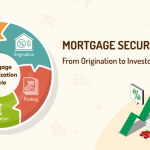
In a typical securitization process, a bank or mortgage lender originates a home loan and then sells that loan to a larger financial institution or aggregator. The aggregator collects thousands of similar loans and transfers them into a securitization trust. The trust then issues securities backed by the income generated from homeowners making their monthly mortgage payments. Investors purchase these securities and receive returns based on those payments.
While this system provides liquidity to the housing market and allows financial institutions to distribute risk among investors, it also introduces multiple layers of complexity. Each step in the securitization chain must be documented carefully. Ownership of the loan must be properly transferred, the mortgage note must be endorsed, and all assignments must be recorded according to legal requirements. When any of these steps are skipped, altered, or fabricated, the door opens for home loan securitization fraud to occur.
Because loans pass through multiple institutions before reaching investors, tracking the true ownership of a mortgage can become extremely complicated. In many cases, loan documents are transferred electronically while the physical notes remain in storage facilities. If the documentation process is not carefully maintained, inconsistencies may arise, creating disputes about who has the legal authority to enforce the loan. These documentation failures are one of the key factors behind many allegations of home loan securitization fraud.
Common Red Flags That Indicate Possible Securitization Irregularities
One of the reasons home loan securitization fraud continues to attract attention is the presence of recurring irregularities in mortgage records. Legal experts and forensic auditors have identified several warning signs that often appear in questionable securitization cases.
A major red flag involves improper mortgage assignments. Mortgage assignments are legal documents that transfer the ownership of a loan from one institution to another. In legitimate transactions, these assignments must follow a clear chronological order. However, in some cases auditors discover assignments that appear years after the loan was supposedly transferred into a securitization trust. These delayed or backdated documents raise serious concerns about whether the transfer was conducted properly.
Another common issue related to home loan securitization fraud involves missing or incomplete endorsements on the mortgage note. The mortgage note is the key legal instrument that proves who has the right to collect payments and enforce the loan. If the note is not properly endorsed to the correct entity, it becomes difficult to establish ownership. This situation has been a major factor in many foreclosure disputes where the foreclosing party cannot demonstrate that it legally holds the loan.
Robo-signing is another problem frequently associated with home loan securitization fraud. Robo-signing refers to the practice of signing large numbers of mortgage documents without verifying their accuracy. Employees or contractors may sign hundreds or even thousands of documents per day without reviewing the underlying loan records. This practice can lead to inaccurate assignments, false affidavits, and other documentation problems that compromise the legitimacy of mortgage transfers.
In addition to these issues, inconsistencies in securitization trust records can also indicate potential home loan securitization fraud. Securitization trusts operate under strict rules defined by pooling and servicing agreements. These agreements specify when loans must be transferred into the trust and outline the procedures that must be followed. If a loan is transferred after the trust’s closing date or without proper documentation, it may violate the trust’s governing rules.
Legal Implications and Foreclosure Challenges
The legal consequences of home loan securitization fraud can be significant for both financial institutions and homeowners. Courts rely heavily on documentation to determine whether a lender has the legal authority to enforce a mortgage loan. When loan transfers are poorly documented or improperly executed, it can create substantial legal challenges during foreclosure proceedings.
In many foreclosure cases, homeowners and their attorneys challenge the lender’s standing to foreclose. Standing refers to the legal right to enforce a debt. If the party initiating foreclosure cannot demonstrate that it holds the mortgage note and the corresponding rights to the loan, the foreclosure action may be delayed or dismissed. Allegations of home loan securitization fraud often arise in these situations when documentation appears inconsistent or incomplete.
These disputes can become highly complex because mortgage loans often pass through multiple entities before reaching the servicer responsible for collecting payments. Servicers manage the day-to-day administration of loans on behalf of investors, but they may not actually own the loan themselves. If proper documentation linking each transfer is missing, establishing the chain of ownership becomes difficult.
For homeowners, the uncertainty surrounding home loan securitization fraud can create confusion and stress. Borrowers may receive communications from different entities claiming to service or own their loan. When disputes arise, homeowners often struggle to determine who actually has the authority to negotiate loan modifications, accept payments, or initiate foreclosure actions.
Financial institutions also face legal and reputational risks when allegations of home loan securitization fraud emerge. Investigations into securitization practices can result in costly litigation, regulatory penalties, and settlements. In some cases, financial institutions have been required to repurchase defective loans from investors because the loans did not meet the representations made during securitization.
The Role of Forensic Audits in Identifying Mortgage Irregularities
As concerns about home loan securitization fraud have grown, forensic mortgage audits have become an important investigative tool. A forensic mortgage audit is a detailed review of a loan’s documentation, transfer history, and securitization records. These audits are conducted by professionals who specialize in analyzing mortgage files, securitization structures, and regulatory compliance requirements.
During a forensic audit, investigators examine several key elements of the loan. They review the original mortgage documents, analyze the chain of assignments, and evaluate whether the loan was transferred into a securitization trust according to the terms of the trust agreement. Any discrepancies or irregularities identified during this process may indicate potential home loan securitization fraud.
Another critical component of forensic audits involves reviewing public records. Mortgage assignments, foreclosure filings, and other legal documents are often recorded in county land records. By comparing these records with securitization documents and servicing records, auditors can identify inconsistencies that might otherwise remain hidden.
Forensic audits also analyze compliance with federal and state lending regulations. Violations of disclosure requirements, improper servicing practices, or documentation errors may all contribute to broader concerns about home loan securitization fraud. By identifying these issues early, attorneys and homeowners may gain valuable insights that can influence legal strategies and negotiations.
As mortgage securitization continues to play a central role in global finance, the importance of detecting and preventing home loan securitization fraud cannot be overstated. Greater transparency, accurate documentation, and rigorous auditing processes are essential for maintaining trust in the mortgage system and ensuring that both borrowers and investors are protected from fraudulent practices.
Conclusion
In conclusion, the issue of home loan securitization fraud has become an increasingly significant concern within the modern mortgage and banking landscape. As mortgage lending evolved into a highly complex financial system involving multiple transfers, securitization trusts, and global investors, the potential for documentation errors, irregularities, and fraudulent practices has also grown. While securitization itself is a legitimate financial mechanism designed to improve liquidity and expand access to home financing, weaknesses in oversight and documentation can create opportunities for home loan securitization fraud to occur.
For homeowners, the consequences of home loan securitization fraud can be deeply troubling. Questions surrounding loan ownership, improper assignments, missing endorsements, or inaccurate records may complicate foreclosure proceedings and loan servicing disputes. Borrowers may find themselves facing legal actions from entities that struggle to clearly establish their authority to enforce the mortgage.
At the same time, investors and financial institutions are also affected when home loan securitization fraud undermines the integrity of mortgage-backed securities. When loans are improperly transferred or inaccurately represented within securitized pools, it can weaken investor confidence and expose institutions to costly litigation and regulatory scrutiny.
Addressing home loan securitization fraud requires stronger transparency, better record-keeping, and thorough forensic mortgage audits. By carefully examining loan histories and securitization processes, legal professionals, auditors, and homeowners can help identify irregularities and protect the integrity of the mortgage finance system.
Turn Complex Mortgage Data Into Powerful Legal Advantage
Unlock Clarity. Strengthen Your Case. Transform Your Client Outcomes
When legal strategies depend on documentation, accuracy, and verifiable financial analysis, the right forensic audit partner can make the difference between uncertainty and strategic clarity. For more than four years, Mortgage Audits Online has supported attorneys, legal professionals, and industry associates with detailed securitization and forensic mortgage audits designed to strengthen case preparation and uncover critical documentation issues.
Operating exclusively as a business-to-business provider, Mortgage Audits Online focuses on delivering professional-grade analysis that legal teams can confidently integrate into litigation, compliance reviews, and strategic negotiations. Their audit methodology examines the full lifecycle of a mortgage loan—from origination documents and disclosures to assignments, securitization transfers, and servicing activity—to identify discrepancies that may impact enforceability or compliance. These detailed reviews help professionals verify whether loans were properly originated, transferred, and documented according to applicable legal and contractual standards.
Unlike surface-level reviews or automated reports, Mortgage Audits Online provides structured audit findings built for real-world legal use. Their forensic audits analyze loan documentation, securitization chains, and compliance issues with a focus on clarity, evidence, and defensible conclusions. This depth of analysis allows attorneys and mortgage professionals to better evaluate potential irregularities, assess legal standing, and strengthen case strategies with documented insights.
By partnering with experienced mortgage audit specialists, professionals gain access to the detailed documentation review necessary to navigate today’s complex mortgage and securitization landscape. Whether your firm is evaluating foreclosure disputes, reviewing loan compliance, or analyzing securitization records, Mortgage Audits Online helps transform complex loan data into actionable intelligence.
Equip your cases with deeper insight, stronger documentation, and the professional credibility your clients expect.
Connect with Mortgage Audits Online today and empower your team with the analytical clarity that drives stronger outcomes.
📍 Mortgage Audits Online
100 Rialto Place, Suite 700
Melbourne, FL 32901
📱 Phone: 877-399-2995
📠 Fax: 877-398-5288
🌐 Visit: https://www.mortgageauditsonline.com/
When clarity, documentation, and professional insight matter most, partnering with the right forensic mortgage audit specialists can transform uncertainty into strategic advantage. Reach out today and give your cases the depth of analysis and credibility they deserve.
“Disclaimer Note: This article is for educational & entertainment purposes”