
Understanding How Home Loan Securitization Fraud Affects Mortgage Chain of Title
The modern mortgage industry relies heavily on securitization, a process that allows lenders to bundle home loans and sell them to investors in the form of mortgage-backed securities. While this system provides liquidity and enables more people to access financing, it has also created opportunities for misconduct. Home Loan Securitization Fraud has emerged as a serious concern, raising questions about transparency, ownership, and the legality of loan transfers. Many borrowers are unaware that their mortgage may have been sold multiple times, often without proper documentation or notification. This lack of clarity can lead to disputes over who actually owns the loan and who has the legal authority to enforce it.
Understanding Home Loan Securitization Fraud is essential for homeowners, attorneys, and financial professionals because it directly affects the integrity of the mortgage chain. Errors, omissions, or intentional misrepresentations during securitization can result in broken chains of title, invalid assignments, or improper foreclosure actions. These issues not only put borrowers at risk but also undermine trust in the financial system. By examining how securitization works and where fraud can occur, individuals can better protect their rights and identify potential irregularities. Awareness is the first step toward ensuring accountability, transparency, and fairness in the mortgage process.
The Structure of Mortgage Securitization and Where Fraud Can Occur
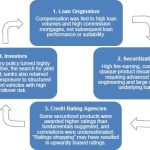
Mortgage securitization begins when a lender originates a home loan and then sells it to a sponsor or aggregator. This loan is combined with many others and transferred into a trust, which issues mortgage-backed securities to investors. Each step in this chain requires precise documentation, including assignments, endorsements, and recorded transfers. However, Home Loan Securitization Fraud can occur when these transfers are incomplete, improperly executed, or backdated to create the appearance of legal compliance.
In many cases, loans are transferred electronically without proper physical documentation, or signatures may be applied by unauthorized individuals. When the legal chain of ownership is not properly established, it raises serious questions about whether the party attempting to enforce the loan has the lawful authority to do so. This breakdown in documentation is a key indicator of potential fraud within the securitization process.
How Broken Chains of Title Affect Borrowers and Foreclosure Actions
One of the most damaging consequences of Home Loan Securitization Fraud is a broken chain of title. The chain of title represents the complete history of ownership and transfer of a mortgage loan. If even one link in this chain is missing or invalid, it may create legal uncertainty about the true owner of the loan.
When lenders or servicers initiate foreclosure without clear proof of ownership, borrowers may face unlawful or improper foreclosure proceedings. In such situations, homeowners are often placed in a vulnerable position, forced to defend themselves against entities that may not have the legal standing to enforce the debt. This not only causes financial hardship but also creates emotional stress and uncertainty for families. Ensuring that the chain of title is accurate and complete is essential to maintaining fairness in mortgage enforcement.
The Role of Mortgage Servicers and Document Fabrication Risks
Mortgage servicers play a central role in managing loan payments, communicating with borrowers, and initiating foreclosure actions when necessary. However, Home Loan Securitization Fraud can involve servicers presenting incomplete or fabricated documentation to support their authority. In some instances, assignments may be created years after the trust’s closing date, raising concerns about their authenticity and legality.
Document fabrication, often referred to as “robo-signing,” involves mass-producing legal documents without proper verification. These practices can undermine the integrity of the mortgage system and expose borrowers to wrongful enforcement actions. The presence of questionable documents is a major warning sign that securitization irregularities may exist.
The Impact on Investors and the Overall Financial System
While borrowers are directly affected, Home Loan Securitization Fraud also has significant consequences for investors and the broader financial system. Investors rely on accurate documentation to ensure that the mortgage-backed securities they purchase are supported by valid and enforceable loans. When fraud or documentation errors occur, the value of these securities may be compromised.
This loss of confidence can affect market stability and lead to financial disputes between investors, lenders, and servicers. Additionally, fraudulent securitization practices can result in regulatory investigations, legal challenges, and financial penalties. Maintaining transparency and compliance throughout the securitization process is critical to protecting both individual borrowers and institutional investors.
Conclusion:
The mortgage securitization process was designed to improve liquidity and expand access to home financing, but the presence of Home Loan Securitization Fraud has exposed serious weaknesses in the system. When loans are transferred without proper documentation, or when assignments are incomplete or fabricated, it creates uncertainty about ownership and enforcement rights. This not only affects borrowers facing foreclosure but also raises concerns about the legal validity of the entire mortgage chain. A broken or unclear chain of title can result in wrongful enforcement actions, leaving homeowners vulnerable and without proper legal protection.
Addressing Home Loan Securitization Fraud requires careful examination of loan records, assignments, and trust documentation to ensure compliance with legal and contractual requirements. Transparency and accuracy are essential to maintaining confidence in mortgage transactions and protecting all parties involved. Borrowers, legal professionals, and financial experts must remain vigilant and proactive in identifying irregularities that may indicate securitization errors or fraud.
Ultimately, awareness of Home Loan Securitization Fraud empowers individuals to question inconsistencies, demand proper documentation, and safeguard their rights. Strengthening oversight and accountability within the securitization process is essential for preserving fairness, restoring trust, and ensuring the long-term stability of the mortgage industry.
Elevate Your Legal Strategy with Proven Securitization Intelligence
Unlock the power of precision, insight, and confidence with professional securitization and forensic audit support designed exclusively for legal and industry professionals. At Mortgage Audits Online, we understand that every case depends on the strength of its documentation, the accuracy of its analysis, and the clarity of its findings. Our mission is to equip our associates with the critical evidence and detailed reports needed to uncover hidden irregularities, strengthen legal arguments, and support successful client outcomes.
For over four years, we have been a trusted business-to-business provider, delivering comprehensive securitization audits and forensic reviews that help identify breaks in the chain of title, improper assignments, and potential compliance failures. Our in-depth reports are crafted to provide actionable insights, enabling attorneys, foreclosure defense professionals, and industry experts to build stronger, more compelling cases backed by verified data and professional analysis.
When you partner with Mortgage Audits Online, you gain more than just a report—you gain a strategic advantage. Our commitment to accuracy, professionalism, and reliability ensures you have the clarity needed to move forward with confidence and authority.
Mortgage Audits Online
100 Rialto Place, Suite 700
Melbourne, FL 32901
📞 Phone: 877-399-2995
📠 Fax: (877) 398-5288
🌐 Visit: https://www.mortgageauditsonline.com/