The Importance of Securitization and Foreclosure Defense in Modern Mortgage Litigation
In today’s complex mortgage environment, Securitization and Foreclosure Defense has become a crucial element of modern mortgage litigation. Over the past few decades, the mortgage industry has evolved dramatically, particularly with the widespread practice of securitization. Loans that were once held and managed by a single lender are now frequently bundled together, sold, and traded within large financial markets. While this process has helped expand credit availability and increase liquidity in the housing market, it has also introduced significant legal complexities. As a result, borrowers, attorneys, and financial experts increasingly rely on Securitization and Foreclosure Defense to uncover irregularities, protect borrower rights, and ensure that foreclosure actions are legally valid.
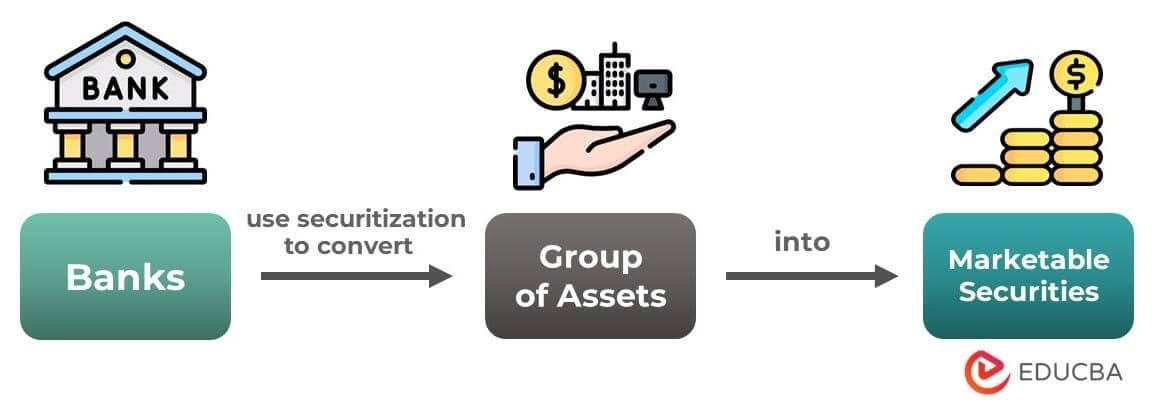
At its core, securitization refers to the process of pooling mortgage loans together and converting them into mortgage-backed securities that can be sold to investors. While this financial structure has become a standard practice in the mortgage industry, it often creates layers of ownership, servicing rights, and documentation transfers. Over time, these transfers can lead to inconsistencies, incomplete records, or errors in the chain of title. In many foreclosure cases, questions arise about whether the entity initiating foreclosure actually has the legal authority to enforce the loan. This is where Securitization and Foreclosure Defense plays a pivotal role.
Attorneys involved in foreclosure litigation frequently examine securitization documents, mortgage assignments, servicing agreements, and trust records to determine whether the loan was transferred properly according to governing contracts and legal requirements. If discrepancies appear in the securitization process, they may raise legitimate legal defenses in foreclosure proceedings. Through detailed loan analysis and forensic review, Securitization and Foreclosure Defense can reveal gaps in documentation, improper assignments, or violations of pooling and servicing agreements that may significantly impact the validity of a foreclosure claim.
Another important aspect of Securitization and Foreclosure Defense is transparency. Borrowers facing foreclosure often struggle to understand who actually owns their loan, who services it, and who has the legal standing to enforce it. The complexity of securitized mortgage structures can make it difficult to identify the true party in interest. By conducting comprehensive securitization audits and forensic mortgage reviews, legal professionals can clarify the ownership history of a loan and determine whether the foreclosure action complies with applicable laws and contractual agreements.
Furthermore, the role of Securitization and Foreclosure Defense became particularly prominent following the global financial crisis of 2008. During that period, widespread foreclosure activity exposed numerous documentation issues and procedural errors within the mortgage industry. Courts began to scrutinize foreclosure filings more closely, and many cases revealed missing endorsements, robo-signed documents, and irregular mortgage assignments. These developments highlighted the need for careful legal examination of mortgage securitization structures and reinforced the importance of thorough forensic mortgage audits.
Today, Securitization and Foreclosure Defense continues to serve as an essential legal strategy for attorneys representing homeowners and other stakeholders in foreclosure disputes. By analyzing the complex financial pathways through which mortgages are transferred, attorneys can build stronger cases and ensure that foreclosure actions comply with both contractual obligations and statutory requirements. In many situations, identifying deficiencies in the securitization chain can shift the dynamics of litigation, opening the door to negotiation, loan modification, or even dismissal of a foreclosure action when proper standing cannot be established.
In addition to supporting litigation, Securitization and Foreclosure Defense also promotes accountability within the mortgage industry. Financial institutions, loan servicers, and trustees must adhere to strict procedures when transferring loans into securitized trusts. When those procedures are not followed correctly, it can raise significant legal and financial consequences. By examining these processes carefully, attorneys and forensic auditors help ensure that mortgage enforcement actions are conducted with accuracy, fairness, and adherence to established legal standards.
Ultimately, the increasing complexity of mortgage finance has made Securitization and Foreclosure Defense an indispensable component of modern foreclosure litigation. For legal professionals, understanding how mortgage securitization works—and how errors within that system can affect foreclosure actions—is essential to protecting client rights and maintaining integrity within the mortgage enforcement process. As foreclosure disputes continue to evolve, the strategic use of Securitization and Foreclosure Defense will remain a powerful tool for uncovering the truth behind mortgage ownership and ensuring that justice is properly served in the courtroom.
Understanding the Legal Foundation of Mortgage Securitization
Mortgage securitization has transformed the global housing finance system, allowing lenders to convert individual mortgage loans into tradable financial instruments. While this process has expanded access to capital and increased liquidity in the housing market, it has also introduced significant legal complexity. Within this environment, Securitization and Foreclosure Defense has emerged as a powerful legal approach that examines how loans are transferred, documented, and enforced throughout their lifecycle.
The securitization process typically begins when lenders originate mortgage loans and then sell them to aggregators or investment banks. These institutions bundle thousands of loans into pools that are transferred into securitized trusts, often governed by Pooling and Servicing Agreements (PSAs). These trusts then issue mortgage-backed securities to investors. While the financial structure is designed to operate efficiently, it depends heavily on strict compliance with contractual procedures and documentation standards.
In many foreclosure cases, however, those procedures may not have been followed precisely. Documents may have been transferred late, assignments may have been improperly recorded, or required endorsements may be missing. These issues create opportunities for attorneys to analyze the legal standing of the party attempting to foreclose. This is where Securitization and Foreclosure Defense becomes a critical legal tool, allowing legal professionals to investigate whether the foreclosing party truly has the authority to enforce the mortgage loan.
Chain of Title and the Question of Legal Standing
One of the most important legal elements in foreclosure litigation is the concept of standing. A party attempting to foreclose must demonstrate that it possesses the legal right to enforce the mortgage note and security instrument. In securitized loans, this right is often transferred multiple times between institutions, servicers, and trustees. Each transfer must be documented properly to maintain an unbroken chain of title.
However, in many cases, the chain of ownership becomes unclear due to incomplete records or improperly executed assignments. When these gaps occur, attorneys may use Securitization and Foreclosure Defense strategies to challenge whether the foreclosing entity has valid standing in court.
A forensic analysis of mortgage documents can reveal inconsistencies in the chain of title, including backdated assignments, missing endorsements, or transfers that occurred after a securitized trust had already closed. If a loan was not transferred to the trust according to the trust’s governing agreements, questions arise about whether the trust or its servicer has the legal authority to enforce the loan.
Through detailed document review, Securitization and Foreclosure Defense helps attorneys identify these issues and present them effectively in foreclosure litigation. By highlighting flaws in the transfer process, legal professionals can challenge the legitimacy of foreclosure proceedings and protect the rights of borrowers facing potential loss of their homes.
The Role of Forensic Mortgage Audits in Litigation
Forensic mortgage audits have become an important investigative component within Securitization and Foreclosure Defense. These audits involve a comprehensive review of loan documents, securitization records, servicing histories, and mortgage assignments. The goal is to determine whether the loan was originated, transferred, and serviced in compliance with applicable legal standards and contractual agreements.
A forensic audit may analyze multiple layers of documentation, including the promissory note, mortgage or deed of trust, assignments of mortgage, payment histories, and securitization filings. In addition, analysts often review trust closing dates, prospectuses, and investor reports to determine whether the loan was actually transferred into the trust as claimed.
When discrepancies are discovered, they may become key elements in a foreclosure defense strategy. For example, if the loan was transferred into the trust after the trust’s closing date, this may violate the trust’s governing documents. Similarly, if endorsements on the promissory note are missing or incomplete, the entity seeking foreclosure may struggle to prove its legal standing.
By uncovering such inconsistencies, Securitization and Foreclosure Defense strengthens the ability of attorneys to build persuasive legal arguments. These audits provide the factual foundation needed to challenge questionable foreclosure filings and ensure that mortgage enforcement actions comply with established legal requirements.
The Impact of the Financial Crisis on Foreclosure Litigation
The global financial crisis of 2008 dramatically reshaped the landscape of mortgage litigation. During the housing collapse, foreclosure filings surged across many regions, overwhelming courts and exposing significant weaknesses in mortgage documentation practices. Many institutions struggled to locate original loan documents or prove that loans had been transferred properly through securitized trusts.
As courts began examining foreclosure filings more closely, numerous irregularities surfaced. Issues such as robo-signed documents, incomplete assignments, and missing endorsements became widely documented. These revelations brought increased attention to the importance of Securitization and Foreclosure Defense in protecting borrowers and ensuring that foreclosure actions were supported by valid legal documentation.
Attorneys representing homeowners began investigating securitization structures more carefully, analyzing whether lenders had followed the procedures outlined in trust agreements and applicable state laws. In many cases, these investigations revealed flaws in the securitization process that significantly affected foreclosure claims.
The crisis highlighted the need for greater transparency and accountability within the mortgage industry. It also demonstrated that careful analysis of securitized loans could uncover critical legal issues that might otherwise go unnoticed. Since that time, Securitization and Foreclosure Defense has continued to evolve as an important legal discipline within mortgage litigation.
Protecting Borrower Rights Through Strategic Legal Analysis
Beyond its technical legal aspects, Securitization and Foreclosure Defense plays an important role in protecting borrower rights. Homeowners facing foreclosure often encounter complex legal and financial structures that are difficult to understand without specialized knowledge. Mortgage servicers, trustees, and investors may all be involved in the administration of a single loan, creating confusion about who ultimately controls the mortgage.
Through detailed investigation and legal analysis, attorneys can clarify these relationships and determine whether foreclosure actions are being pursued lawfully. By examining securitization records, loan transfers, and servicing agreements, Securitization and Foreclosure Defense helps ensure that borrowers are not subjected to improper or unsupported foreclosure claims.
This process also promotes fairness within the legal system. When lenders and servicers must demonstrate clear evidence of their authority to enforce a loan, it strengthens the integrity of foreclosure proceedings. Courts rely on accurate documentation to determine whether foreclosure actions are justified, and securitization analysis provides valuable insight into whether those requirements have been met.
As mortgage finance continues to grow more sophisticated, the legal importance of Securitization and Foreclosure Defense will likely continue to expand. Attorneys, forensic analysts, and legal professionals who understand the complexities of securitized mortgage structures are better equipped to navigate modern foreclosure litigation.
By carefully examining how loans move through financial markets and ensuring that those transfers comply with legal requirements, Securitization and Foreclosure Defense remains an essential strategy for uncovering irregularities, strengthening legal arguments, and protecting the rights of borrowers within an increasingly complex mortgage system.
Conclusion
In the evolving landscape of mortgage finance and foreclosure litigation, Securitization and Foreclosure Defense has become an essential legal framework for examining the legitimacy of foreclosure actions. As mortgage loans are frequently transferred through complex financial structures and securitized trusts, maintaining accurate documentation and proper loan ownership records is critical. When these processes are not executed correctly, significant legal questions can arise regarding the authority of the party seeking foreclosure.
Through detailed analysis of loan transfers, securitization documents, and servicing records, Securitization and Foreclosure Defense enables attorneys and forensic professionals to uncover potential discrepancies in the chain of title and identify violations of contractual agreements. These insights can play a crucial role in strengthening foreclosure litigation strategies and ensuring that legal proceedings are supported by proper evidence and documentation.
Moreover, Securitization and Foreclosure Defense contributes to greater transparency and accountability within the mortgage industry. By carefully reviewing the securitization process and verifying whether foreclosure claims comply with legal standards, this approach helps protect borrower rights while promoting fairness in the legal system.
As mortgage markets continue to grow more complex, the importance of Securitization and Foreclosure Defense will only increase. It remains a powerful tool for attorneys seeking to navigate intricate mortgage structures, challenge questionable foreclosure filings, and uphold the integrity of modern mortgage litigation.
Build Stronger Cases with Verified Mortgage Intelligence
In today’s complex mortgage litigation environment, having the right forensic insight can make the difference between uncertainty and a compelling legal strategy. For legal professionals, auditors, and industry associates, access to accurate securitization analysis and forensic mortgage audits is essential when preparing strong, defensible cases.
For more than four years, Mortgage Audits Online has helped professionals uncover the critical details hidden within mortgage transactions. Working exclusively as a business-to-business provider, the firm supports attorneys, investigators, and financial professionals with comprehensive securitization audits and forensic mortgage analysis designed to reveal documentation gaps, chain-of-title issues, and potential compliance violations.
Every report is prepared with professional precision and built to support litigation strategy, negotiation leverage, and case preparation. From identifying securitization irregularities to producing detailed forensic audit findings, Mortgage Audits Online provides the actionable intelligence professionals need to confidently advocate for their clients.
If your practice requires reliable mortgage analysis, court-ready documentation, and expert insight into loan securitization, now is the time to partner with a trusted provider dedicated to professional results. With decades of combined industry experience in banking, accounting, underwriting, securitization audits, and real estate analysis, the team delivers clear, comprehensive findings designed to strengthen your case and elevate your outcomes.
Take the next step toward clarity and confidence in your mortgage litigation strategy.
Contact Mortgage Audits Online today and equip your cases with the forensic insight they deserve.
📍 Mortgage Audits Online
100 Rialto Place, Suite 700
Melbourne, FL 32901
📱 Phone: 877-399-2995
📠 Fax: 877-398-5288
🌐 Visit: https://www.mortgageauditsonline.com/
“Disclaimer Note: This article is for educational & entertainment purposes